 Edward DP Situmorang
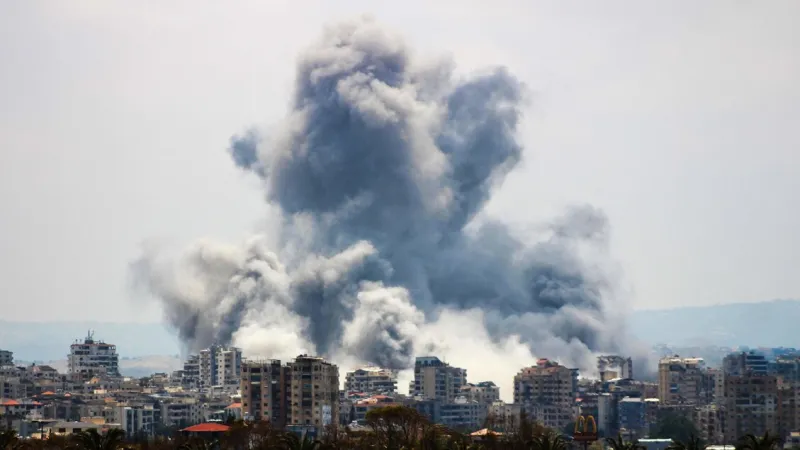
Tehran, Iran – Iran has reportedly suspended ongoing diplomatic talks with the United States, a direct consequence of Israels escalating military actions in Lebanon. Reports from Middle Eastern media indicate that the Islamic Republic has also issued a severe warning, signaling its readiness to completely close the strategically vital Strait of Hormuz, a move that would have profound global economic repercussions.
The decision to halt diplomatic engagement comes as tensions in the Middle East reach a critical new peak. Iran cited Israels increased military presence and offensive operations targeting Lebanese territories as the primary impetus for its withdrawal from discussions with Washington, emphasizing the need to protect regional stability.
The threat to close the Strait of Hormuz, through which a significant portion of the worlds seaborne oil passes, underscores the gravity of the situation. Such an action would disrupt global energy markets, trigger a surge in oil prices, and potentially draw a broader international response, given its critical importance to international trade.
In a related development, Israeli Prime Minister Benjamin Netanyahu confirmed new directives against Lebanon. Netanyahu stated, “I have ordered the IDF to attack the southern periphery of Beirut,” signaling a distinct escalation in Israels ongoing conflict with militant groups in Lebanon.
Further emphasizing Israels stance, Foreign Minister Israel Katz issued a stark warning to Beirut. Katz declared, “If there is no peace in northern Israel, there will be no peace in Beirut,” directly linking the security of Israels northern border to the stability of the Lebanese capital. These statements suggest a determined and uncompromising approach from Jerusalem.
The suspended US-Iran talks had reportedly focused on de-escalation efforts and regional security, representing a fragile channel for communication between the two adversaries. Their interruption reflects the deep mistrust and divergent priorities currently dominating US-Iran relations, especially concerning proxies in the Middle East.
The broader implications of a Strait of Hormuz closure extend beyond oil prices, threatening the supply chains for various commodities and potentially impacting global manufacturing and consumer markets. The international community views such a threat with considerable apprehension, urging restraint from all parties.
Lebanon continues to bear the brunt of the escalating hostilities, with reports of civilian displacement and infrastructure damage increasing. The intervention of regional and international mediators has so far yielded limited success in stemming the violence. Only recently, a German minister aborted a planned trip to Lebanon amid the rapidly deteriorating border crisis, highlighting the precarious security situation.
Iran has consistently maintained its commitment to supporting its allies in the region. Past statements, such as “Iran Vows Decisive Action to Shield Lebanon from Israeli Aggression,” reinforce its declared intention to protect its regional interests and partners, making its current pronouncements particularly potent.
Historically, Tehran has periodically threatened to close the Strait of Hormuz in response to perceived threats or sanctions, often using the strategic waterway as leverage in geopolitical confrontations. Each instance sends ripples of concern through global capitals, underscoring its pivotal role in international trade and security.
Diplomatic efforts by the United States to de-escalate regional tensions have faced significant hurdles. Figures like Senator Marco Rubio have publicly urged militant groups, specifically Hezbollah, to halt their attacks first for any meaningful de-escalation to occur in the broader Middle East.
The current climate is further complicated by existing volatility, as reflected in previous reports such as “Gulf Tensions Soar: US, Iran Report New Strikes Amidst Ceasefire,” indicating a persistent state of heightened alert and occasional military engagements in the region. This backdrop only intensifies concerns over the potential for a wider conflict.
The immediate future of US-Iran dialogue remains uncertain. The resumption of talks will likely hinge on a significant de-escalation of Israeli operations in Lebanon and a willingness from all sides to prioritize diplomatic solutions over military confrontation. The international community watches closely, hoping for a pathway to stability in an increasingly volatile region.