 Stefani Rindus

Gulf region witnessed a dangerous escalation in hostilities this week, as both the United States and Iran reported new military strikes, directly violating an existing ceasefire agreement. The US Army launched attacks on radar and drone installations in southern Iran, while Irans Revolutionary Guard claimed responsibility for a strike on an American military base, further destabilizing the volatile region. Rockets and drones were also intercepted in Kuwait, underscoring the widespread nature of the latest confrontations.
The Pentagon confirmed that its forces targeted several Iranian radar and unmanned aerial vehicle (UAV) sites located strategically across Irans southern coastal areas. These preemptive actions, according to a US defense official who spoke on background, aimed to degrade Irans intelligence gathering capabilities and disrupt potential threats to international shipping lanes and allied nations in the Persian Gulf.
Irans Revolutionary Guard Corps (IRGC), however, quickly countered with its own announcement, stating its forces had successfully struck a US military installation within the wider Gulf theater. While specific details regarding the target and extent of damage remained unverified by independent sources, the IRGCs assertion represented a direct and brazen challenge to US military presence.
Simultaneously, air defense systems in Kuwait engaged and successfully intercepted multiple incoming rockets and drones. The projectiles originated from an unspecified location, though analysts widely attribute such launches in the region to Iran-backed proxies or the IRGC itself. The interceptions highlight the immediate threat posed to nations bordering the Gulf, dragging them into the burgeoning conflict.
The reported US Iran strikes Gulf events occur despite what international mediators had hoped was a durable ceasefire, brokered earlier in 2026 after months of intense diplomatic efforts. This recent unraveling of the truce suggests a fundamental breakdown in trust and communication channels between Washington and Tehran, raising serious questions about the viability of future peace initiatives.
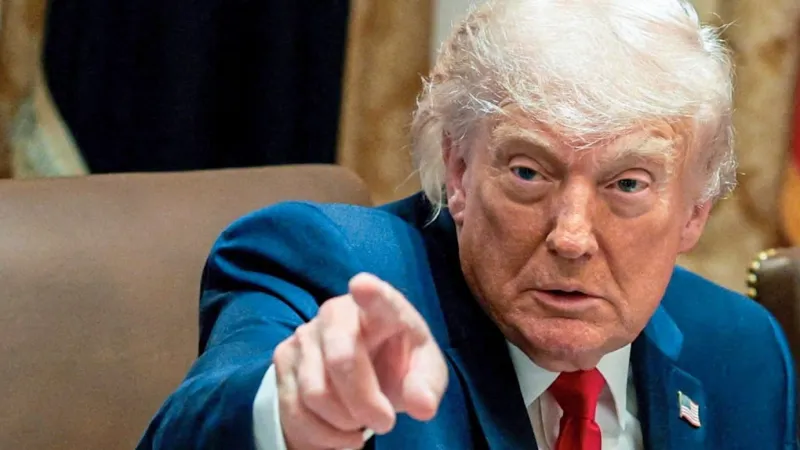
President Donald Trumps administration has consistently maintained a firm stance against Irans perceived malign influence in the Middle East. President Trump has repeatedly called for a more stringent approach to contain Tehran, a policy direction that has often ignited distrust within the Iranian leadership. This aligns with earlier discussions on Trumps Stricter Iran Proposal Ignites Tehrans Distrust.
Analysts at the American Enterprise Institute noted that the tit-for-tat exchanges are reminiscent of previous periods of acute tension, where both sides tested boundaries and sought to assert dominance. The Strait of Hormuz, a crucial global oil chokepoint, remains particularly vulnerable to such military posturing, threatening international commerce and energy markets.
The Iranian government, through its foreign ministry, condemned the US actions as a blatant violation of its sovereignty and international law. A spokesperson for the ministry indicated that Iran reserves the right to respond proportionately to any aggression, signaling a dangerous cycle of retaliation may be underway if diplomatic efforts do not immediately resume.
Regional powers have voiced their concern, urging both the United States and Iran to exercise maximum restraint. The United Nations Secretary General issued a statement calling for an immediate de-escalation and adherence to the ceasefire terms, emphasizing the catastrophic consequences a full-blown regional conflict would entail.
The current situation underscores the profound challenges in stabilizing the Middle East. Years of proxy conflicts, sanctions, and diplomatic impasses have created a fragile geopolitical landscape where minor incidents can rapidly spiral into major confrontations. The international community watches anxiously as the delicate balance of power in the Gulf faces its latest and perhaps most perilous test.
Military experts suggest that both sides are attempting to send clear messages about their capabilities and resolve without initiating a full-scale war. However, the risk of miscalculation remains exceptionally high, especially with advanced weapon systems now deployed across the region by multiple actors.
The precise impact of these recent strikes on long-term security architecture in the Gulf remains to be seen. Yet, the brazen exchange of fire between two major powers, despite a ceasefire, paints a grim picture for any immediate prospects of lasting peace and stability in an already tumultuous part of the world.