 Angela Stefani

BERLIN - Germany's leading social welfare organizations have sharply criticized the federal government's proposed reform agenda, warning that plans involving increased burdens and benefit cuts are fostering widespread public anxiety and could erode the nation's democratic center.
The head of a prominent Sozialverband articulated these concerns, stating that numerous government initiatives are designed to impose greater financial responsibilities on citizens while simultaneously reducing state-provided services and benefits. This dual pressure, critics argue, is generating a pervasive sense of insecurity among the populace.
The ongoing debate centers on several key policy areas, including adjustments to social security, healthcare contributions, and unemployment benefits. While the federal government asserts these measures are necessary to ensure long-term fiscal stability and adapt to changing economic realities, social advocates contend they disproportionately impact the most vulnerable segments of society.
According to the Sozialverband, the cumulative effect of these proposed changes extends beyond mere economic hardship. It risks alienating citizens from the political process and weakening trust in democratic institutions, particularly if people perceive their essential needs are being neglected by those in power.
Such a scenario, the organization suggests, could create fertile ground for disillusionment, potentially pushing disillusioned voters towards fringe political movements. This perceived threat to the democratic center echoes broader discussions about political polarization and the rise of populist sentiments across Europe.
The current atmosphere of unease is compounded by persistent inflationary pressures and the lingering economic impacts from global events. Many households already struggle with rising costs of living, making any further cuts or increased burdens particularly difficult to absorb.
Social welfare groups emphasize that while fiscal prudence is vital, it must not come at the expense of social cohesion. They advocate for more equitable solutions that distribute economic adjustments fairly across all income brackets, rather than concentrating them on those with limited resources.
Observers note that the government's reform package aims to streamline expenditures and enhance efficiency within the social system. However, opponents counter that the focus appears to be on reduction rather than sustainable strengthening of social safety nets, which are crucial during periods of economic volatility.
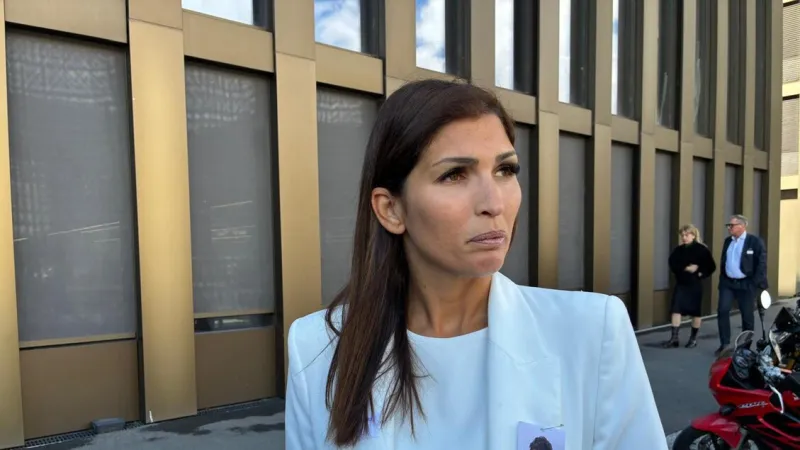
Past reforms and public dialogues have occasionally seen German Minister Bas confront national unease in open dialogue, highlighting the importance of government transparency and responsiveness to citizen concerns during periods of significant policy change.
The call from these organizations is for the government to re-evaluate its approach, engage in more robust dialogue with civil society, and consider alternative policies that prioritize social equity. They argue that neglecting the anxieties of ordinary citizens could have profound and lasting political consequences.
This concern about the erosion of the democratic center resonates with recent political discussions in Germany, including debates surrounding the influence of specific political parties on public discourse. For example, some analysts have cautioned about how shifts in public psychology could be influenced by various political actors, as detailed in reports such as Höcke: AfD Majority Could Influence German Psychology, Sets Terms.
Such warnings underscore the delicate balance between necessary state reforms and maintaining public confidence in the democratic system. The welfare chief's statement serves as a stark reminder of the social contract and the government's responsibility to protect its most vulnerable citizens.
Ultimately, the social welfare groups contend that a robust and inclusive social support system is not merely an act of charity but a fundamental pillar of a stable and resilient democracy. Reforms, they argue, must reinforce this foundation, not dismantle it through austerity measures that breed fear and division.
Dialogue between policymakers and advocacy groups remains critical to navigate these complex challenges and ensure that Germany's social fabric remains strong amidst economic transformations. The outcome of these reform debates will significantly shape public perception of governance for years to come.