 Robert Andrison
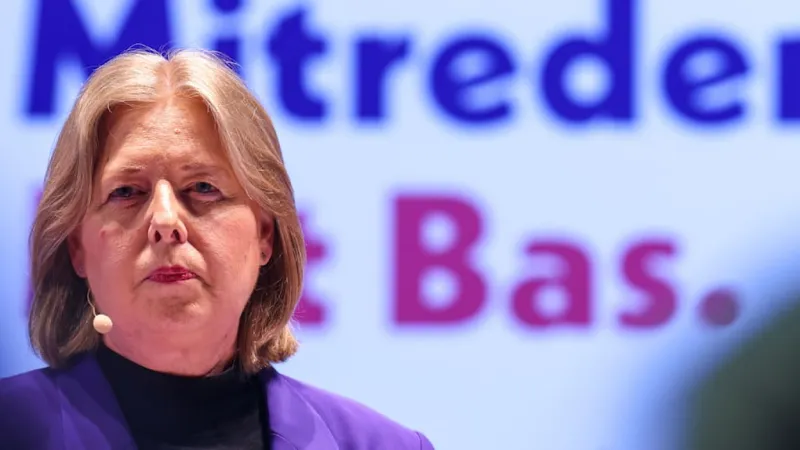
DORTMUND, Germany – German Labor Minister Bärbel Bas confronted a candid public mood during the inaugural session of her new citizen dialogue format in Dortmund, where a student's pivotal question reportedly set the tone for an evening defined by profound concerns over future stability, pension adequacy, and widespread government criticism. The event, designed to foster direct engagement, offered an unusually unfiltered snapshot of national sentiment.
The minister, a prominent figure in Chancellor Olaf Scholz's administration, initiated the dialogue series to bridge the perceived gap between policymakers and the populace. Her aim was to create an environment where citizens could openly voice their immediate worries and long-term perspectives directly to government representatives.
From the outset, the discussion veered beyond polite inquiries. Attendees in the packed Dortmund venue wasted no time in presenting the pressing issues currently weighing on the German public. The atmosphere, while respectful, was charged with palpable urgency.
A significant portion of the evening was dedicated to the future of the German economy and the individual's place within it. Many participants expressed deep-seated anxieties about job security amidst global economic shifts and the accelerating pace of technological change.
Pension reform emerged as another dominant theme. With an aging population and persistent demographic challenges, concerns about the long-term viability of the state pension system were voiced repeatedly. This aligns with broader debates, such as those concerning the financial burden on Childless Citizens Facing Steep Care Surcharge, indicating a nationwide reevaluation of social security fairness. Citizens sought reassurances and concrete plans from Minister Bas regarding their retirement prospects.
Criticism of the current federal government also formed a recurring motif. Attendees challenged various policy decisions, questioning the efficacy of current governmental strategies and articulating a desire for more decisive leadership on critical national issues. This direct feedback underscored a broader public dissatisfaction, reminiscent of recent discussions around CDU Peters Charts New Path: Bureaucracy Cut, Gender Language Banned, highlighting diverse calls for governmental reform.
The report emphasized the role of a student whose query, though not detailed in its specifics, was described as the red thread of the evening. This suggests the student's question encapsulated many underlying public sentiments, compelling the minister to address core societal anxieties directly.
The format of the German citizen dialogue deliberately sought to move beyond conventional political rallies or controlled press conferences. By providing a platform for unscripted interaction, Minister Bas aimed to glean genuine public insight, even if it meant facing uncomfortable truths.
This initial session in Dortmund is expected to serve as a bellwether for future dialogues across Germany. The unvarnished feedback received offers valuable data for the government, highlighting areas where public trust may be eroding and where policy communication needs significant enhancement.
Political analysts suggest that such direct engagement, while potentially challenging for ministers, is crucial for democratic stability. It allows governments to measure public opinion authentically, potentially averting larger social unrest by addressing grievances proactively.
The openness displayed by Minister Bas in facing these difficult questions was noted by observers. This willingness to engage directly with criticism, rather than deflect, could be a key factor in rebuilding public confidence in political institutions.
Experts on public administration highlight that initiatives like this German citizen dialogue are vital for fostering a sense of shared responsibility and understanding between the electorate and their representatives. They provide a necessary channel for accountability.
The outcomes of these dialogues will likely inform future legislative priorities and government communication strategies. The depth of feeling expressed regarding pensions, for instance, could accelerate discussions on long-term financial security policies.
This particular event stands in contrast to the more controlled public appearances often favored by high-ranking officials. The raw, unfiltered nature of the Dortmund exchange provides a rare glimpse into the true concerns of everyday Germans.
The experience of Minister Bas in Dortmund exemplifies the complexities of modern governance, where leaders must navigate not only policy debates but also the emotional landscape of public anxieties and hopes.
The participation of younger generations, represented by the student whose question resonated throughout the evening, signifies a broader desire for inclusion in political discourse. Their perspectives on future challenges are increasingly shaping national conversations.
Looking ahead, the success of the German citizen dialogue initiative will hinge on the government's demonstrable responsiveness to the concerns raised. Mere listening, without subsequent action or clear communication, risks further disillusionment.
This approach, where a minister directly fields difficult questions, mirrors efforts in other European nations to democratize public debate. It represents a proactive step towards more transparent and participatory governance.
The insights gleaned from Dortmund will undoubtedly contribute to a more nuanced understanding of the German public's mood in 2026, offering crucial context for policy formulation and political strategy in the coming months.
The exchange reinforces the notion that effective governance requires not just policy expertise, but also a profound capacity for empathy and a commitment to genuine, unmediated dialogue with the people.