 Angela Stefani
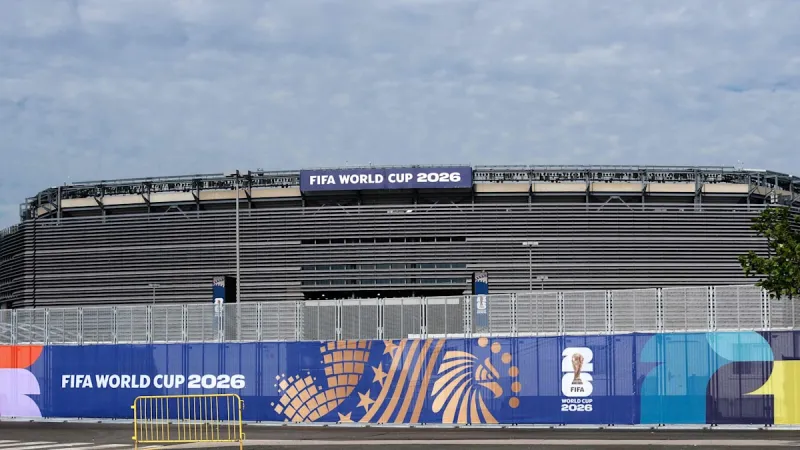
Zurich, Switzerland – FIFA has announced a stringent policy prohibiting spectators from bringing any personal drinking bottles, including empty plastic containers, into stadiums during the upcoming FIFA World Cup, a decision that ignites significant concerns regarding fan hydration amidst forecasts of temperatures exceeding 30 degrees Celsius.
The global football governing body cited unspecified security reasons as the primary justification for banning empty plastic bottles. However, the rationale behind the blanket prohibition of filled personal hydration containers, particularly in a climate where heat stroke is a tangible risk, remains less clearly articulated.
Meteorologists predict persistent heatwaves throughout the FIFA World Cup period, with daily temperatures consistently surpassing the 30-degree Celsius mark in numerous host cities. Such extreme conditions typically necessitate increased fluid intake to prevent heat-related illnesses among large crowds.
A critical unanswered question revolves around the cost of water and other essential beverages within the stadiums. FIFA has yet to disclose specific pricing structures for refreshments, leaving fans and advocacy groups apprehensive about potential price gouging in a captive environment where outside options are forbidden.
For hundreds of thousands of football enthusiasts traveling to witness the quadrennial spectacle, this ruling significantly impacts their match-day experience. Many spectators rely on personal bottles for convenience, cost-effectiveness, and as a more environmentally conscious choice.
Medical experts and public health advocates frequently emphasize the importance of easy access to affordable water at mass gatherings, especially under high temperatures. Denying fans the option to carry their own water raises legitimate concerns about the increased risk of dehydration and heatstroke, particularly for vulnerable populations such as children and the elderly.
While robust security protocols are paramount at major international events, other large-scale sporting competitions often permit empty, reusable water bottles, providing readily available refill stations to balance safety with spectator welfare. This FIFA decision appears to diverge from some widely accepted best practices in event management.
Critics are quick to suggest that the ban could be commercially driven, compelling spectators to purchase potentially overpriced beverages from official vendors within the venues. This perception often fuels resentment among fans who feel exploited by event organizers.
The organization has historically maintained strict control over stadium access and internal concessions, aiming to ensure operational consistency and maximize revenue streams. However, striking an equitable balance between these financial objectives and the fundamental well-being of its global fanbase presents a constant ethical and logistical challenge.
Discussions surrounding fan safety and amenities at major tournaments have gained increasing prominence, especially following past incidents where inadequate provisions led to widespread discomfort or danger. The international spotlight on the FIFA World Cup means every policy decision faces intense scrutiny from global media and public alike.
Transparency regarding the actual security threats necessitating such a comprehensive ban, along with explicit assurances about affordable and accessible hydration options, would significantly mitigate public apprehension. Without such clarity, the decision risks overshadowing the very essence of the sporting spectacle.
Nations vying for future hosting rights, such as Germany, which is reportedly considering a 2042 World Cup bid, will undoubtedly observe fan reactions to current policies closely. The long-term reputation of the FIFA World Cup as a fan-friendly event designed for enjoyment could be at stake.
The move also carries environmental implications. While reusable bottles are banned, an increased reliance on single-use plastic bottles sold within stadiums could contradict broader sustainability efforts, which are growing concerns for major global events and their ecological footprint.
Past World Cups have seen their share of organizational challenges impacting fans, from transportation woes to ticketing issues. The current bottle ban adds another layer of potential frustration for attendees already navigating the complexities of international travel and large event logistics.
Fans rightly expect organizers of a global event of this magnitude to prioritize not only comprehensive security but also the fundamental comfort and health of every attendee. This decision prompts crucial questions about that delicate balance between control and care.
As the FIFA World Cup approaches, pressure will undoubtedly mount on FIFA to address these widespread concerns proactively. Providing clear guidelines on in-stadium hydration options, including price caps or the establishment of free water access points, could alleviate significant public worries.
While initially presented as a firm policy, such decisions are sometimes subject to modification if public outcry and compelling health concerns become overwhelming. Stakeholders and fan organizations may push for a reconsideration before the tournament commences.
Ultimately, the ongoing debate underscores the complex logistics and significant responsibilities inherent in staging a FIFA World Cup, where fan welfare must invariably be a central consideration alongside paramount security and commercial objectives.