 Angela Stefani
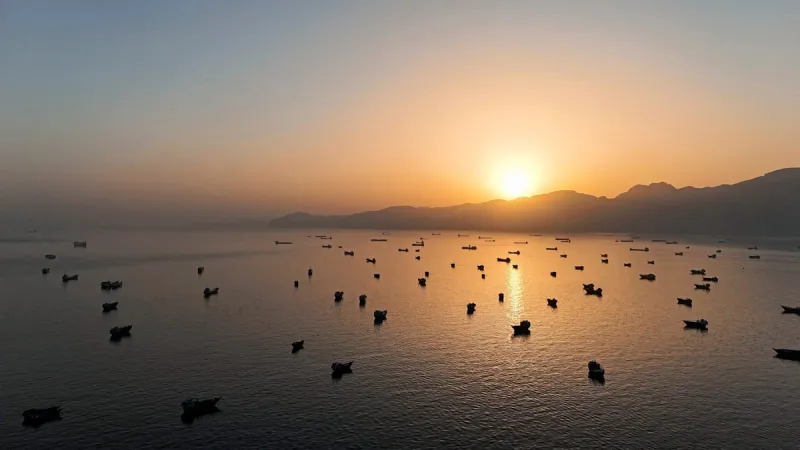
STRAIT OF HORMUZ – The United States military confirmed it intercepted four Iranian drones over the weekend that were reportedly en route to the crucial Strait of Hormuz, subsequently launching strikes against Iranian radar installations. In a swift and forceful response, Iranian forces initiated missile attacks targeting US assets across the broader Gulf region, marking a significant escalation in ongoing bilateral tensions.
A statement released by US Central Command detailed the drone interdiction, specifying that the unmanned aerial vehicles posed an imminent threat to naval operations and international shipping lanes. The military did not disclose the precise timing of the interceptions but indicated they occurred in international airspace adjacent to the strategic waterway.
The Pentagon asserted that the subsequent strikes on Iranian radar sites were a direct defensive measure, aimed at neutralizing threats to US personnel and assets following what it characterized as aggressive Iranian drone activity. These radar installations were reportedly involved in guiding the intercepted drones and other potential hostile actions.
Tehran quickly condemned the US actions as an act of aggression, with state media reporting retaliatory missile barrages against unspecified US targets. While Iranian authorities did not provide details on the locations or extent of the damage, they affirmed their commitment to defending national sovereignty and territorial integrity against any perceived external threats.
The Strait of Hormuz, a narrow choke point between the Persian Gulf and the Gulf of Oman, remains one of the worlds most vital maritime passages for oil shipments. Any disruption in this strategic waterway invariably triggers global economic concerns and heightens geopolitical instability.
This latest confrontation adds to a series of volatile encounters that have characterized US-Iran relations for decades. Previous incidents involving naval confrontations, drone incursions, and cyberattacks have underscored the precarious balance of power in the region. Analysts note similarities to past episodes of brinkmanship, often revolving around the security of maritime navigation. For more context on previous escalations, readers can refer to US Strikes Iranian Radar, Downs Drones Amid Rising Hormuz Tensions.
President Donald Trump, who has consistently maintained a firm stance against Iran throughout his administration, has yet to issue a direct statement on the current hostilities. However, his administration has frequently warned Iran against provocative actions in the Gulf.
President Trump previously garnered attention for sharing an AI video depicting a sunken Iranian fleet, a move that underscored his administrations assertive posture towards Tehran. Critics at the time questioned the diplomatic impact of such messaging, while supporters praised the demonstration of resolve.
Regional allies of the United States, including Saudi Arabia and the United Arab Emirates, have expressed concern over the escalating tensions, calling for de-escalation and adherence to international law. Conversely, Iranian-backed groups in the region have voiced solidarity with Tehran, further complicating the volatile security landscape.
International bodies, including the United Nations, are closely monitoring the situation, urging both Washington and Tehran to exercise maximum restraint. Diplomats fear that any miscalculation could quickly spiral into a wider conflict with devastating consequences for the global economy and regional stability.
The immediate aftermath of the attacks saw a moderate spike in global oil prices, reflecting investor anxiety over potential disruptions to crude supply from the Gulf. Energy analysts are now assessing the long-term implications, depending on whether the hostilities intensify or subside.
The US maintains a significant military presence in the Gulf region, including naval vessels, air assets, and thousands of troops, aimed at deterring aggression and safeguarding international shipping. Iran, for its part, has steadily enhanced its missile and drone capabilities, which it views as crucial for its defense strategy.
The current standoff poses a critical test for diplomatic efforts to defuse tensions between the two adversaries. Without a direct communication channel, the risk of misunderstanding and accidental escalation remains high, challenging global stability.