 Dorry Archiles
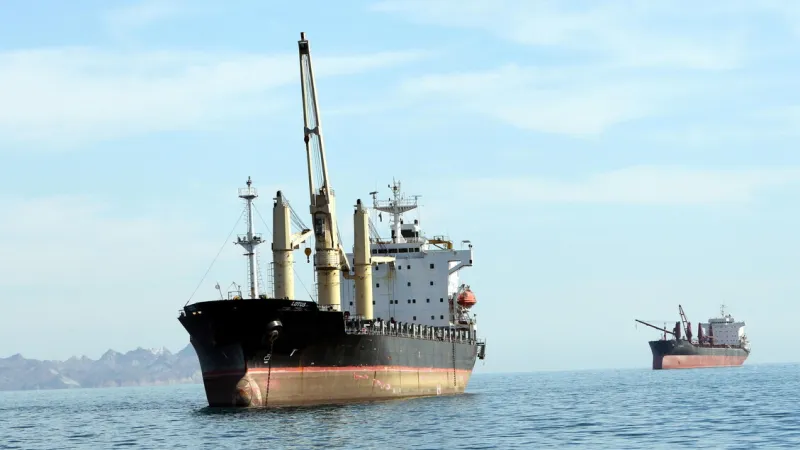
WASHINGTON – The United States military confirmed it launched targeted strikes against Iranian coastal surveillance radar installations near Goruk and on Qeshm Island, concurrent with the downing of four drones aimed toward the critical Strait of Hormuz. This latest action by US forces underscores a heightened state of alert and response in one of the world's most volatile maritime corridors.
US Central Command, or Centcom, released a statement confirming the interdiction of the unmanned aerial vehicles. The decision to strike the radar sites came swiftly after the drones were detected and subsequently neutralized, suggesting a direct retaliatory or preemptive measure to safeguard international shipping and military assets in the area.
The Strait of Hormuz, a narrow choke point between the Persian Gulf and the Gulf of Oman, remains globally vital for oil transit. Approximately one-fifth of the world's oil supply passes through this waterway daily, making any disruption a significant concern for international energy markets and global stability.
Tensions between the United States and Iran have simmered for years, occasionally flaring into direct confrontations. Under President Donald Trump’s administration, Washington has consistently maintained a firm stance against perceived Iranian aggression and its influence across the Middle East. These recent strikes reflect a continuation of that policy, particularly in response to threats to maritime navigation.
Defense officials, speaking anonymously due to the sensitivity of ongoing operations, indicated that the radar installations provided targeting data and surveillance capabilities crucial for potential hostile actions in the strait. Neutralizing these sites diminishes Iran's ability to track and potentially target commercial vessels or naval assets.
Iranian state media has yet to issue an official response to the US strikes or the reported drone downings. The silence, however, does not necessarily signal de-escalation; Tehran has historically responded to such incidents with carefully calculated diplomatic or military maneuvers.
Analysts suggest these incidents could further complicate efforts towards any future diplomatic engagement between Washington and Tehran. The current climate makes direct dialogue exceptionally challenging, with both sides demonstrating a readiness to use force to protect their perceived interests.
The international community remains acutely aware of the potential for broader conflict emanating from the Strait of Hormuz. Shipping insurers and industry watchdogs will closely monitor the situation, potentially adjusting risk assessments for vessels transiting the volatile region. A previous article, Netanyahu Halts Lebanon Vote Amid Hezbollah Standoff, Escalating Raids, highlighted similar regional instabilities.
Historically, the Persian Gulf has been a flashpoint for naval confrontations and proxy skirmishes. Both US and Iranian naval forces regularly patrol the waters, sometimes leading to tense standoffs. The use of drones by Iran and the subsequent US response underscore the evolving nature of modern naval warfare and surveillance.
Experts on Middle Eastern security emphasize the precision of the US operation, noting that targeting radar sites indicates an intelligence-driven approach aimed at limiting Iranian capabilities without necessarily seeking broader escalation. Yet, the inherent risks in such direct actions remain significant.
The long-standing geopolitical rivalry between the two nations, coupled with regional alliances and proxy conflicts, creates a delicate balance. Any miscalculation in the Strait of Hormuz could trigger a wider crisis with far-reaching economic and security consequences.
This development adds another layer of complexity to the already intricate tapestry of Middle Eastern geopolitics. As the world watches, the immediate future of navigation and security in the Strait of Hormuz hangs in a precarious balance.