 Chris Robert
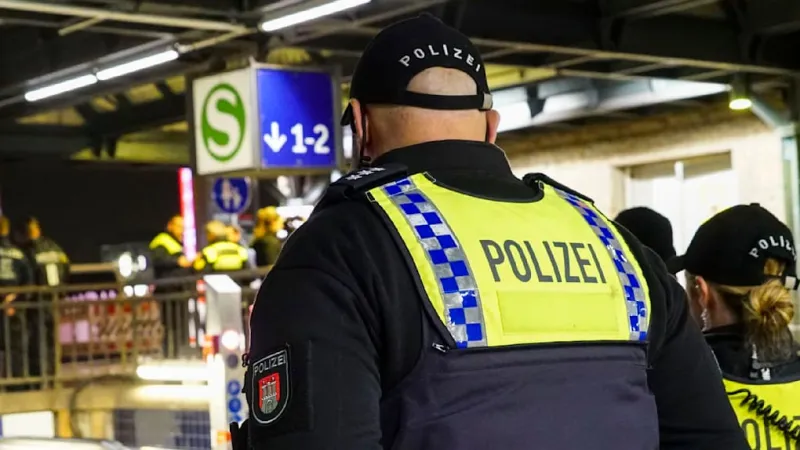
The German Federal Police recently reported a record surge in violent crimes across the nation's railway system, documenting over 27,800 offenses. This alarming increase has transformed stations, particularly in Leipzig and Dortmund, into focal points of a renewed national debate over public safety and security measures. The data underscores a significant deterioration in the perceived and actual safety of public transit hubs.
The comprehensive report, released by the Bundespolizei, detailed a concerning trend of escalating aggression and criminal activity within the confines of Germany's extensive rail network. Incidents ranged from physical assaults and robberies to severe disturbances, collectively painting a stark picture of increased risk for commuters and travelers.
This unprecedented rise represents a substantial leap from previous years, signaling a systemic challenge that authorities are now grappling with. The sheer volume of reported cases necessitates a thorough examination of current security protocols and resource allocation across the federal police force.
Cities like Leipzig and Dortmund have emerged as particularly problematic areas, topping the national statistics for violent offenses. These urban centers, vital transportation hubs, now face heightened scrutiny as local and federal governments seek effective strategies to curb the growing lawlessness. The concentration of incidents in these specific locations points to complex underlying societal issues that may contribute to such criminal behavior.
The revelations from the Bundespolizei have immediately ignited a contentious public discussion among politicians, law enforcement officials, and civil society groups. Stakeholders are demanding robust responses, ranging from increased police presence and improved surveillance technologies to preventative social programs aimed at addressing root causes.
Critics argue that the current security framework is inadequate to deter offenders or protect citizens effectively. There are calls for an urgent re-evaluation of staffing levels for federal police assigned to railway duties, along with demands for clearer mandates and more integrated collaboration with municipal police forces.
Conversely, proponents of existing measures emphasize the complexity of policing vast, open public spaces like train stations, which serve millions daily. They point to ongoing efforts to enhance safety through various initiatives, albeit acknowledging that more proactive steps are now imperative given the latest statistics.
The debate also extends to the design and management of station environments. Questions arise about lighting, access control, and the presence of social support services, all of which can influence public perception of safety and potentially deter criminal acts. A holistic approach, integrating urban planning with law enforcement strategies, is increasingly advocated.
The 27,800 reported incidents are not merely abstract figures; they represent thousands of individual experiences of fear, injury, and trauma. Each case contributes to a broader sense of insecurity that can erode public trust in communal spaces and public transportation as a whole. Addressing this psychological impact is as critical as tackling the crime itself.
As the German government considers its next steps, the pressure mounts to implement tangible solutions that restore public confidence and reverse this troubling trend. The safety of Germany's train stations remains a paramount concern, underscoring the need for immediate and sustained action to protect millions of daily travelers.