Gabriella
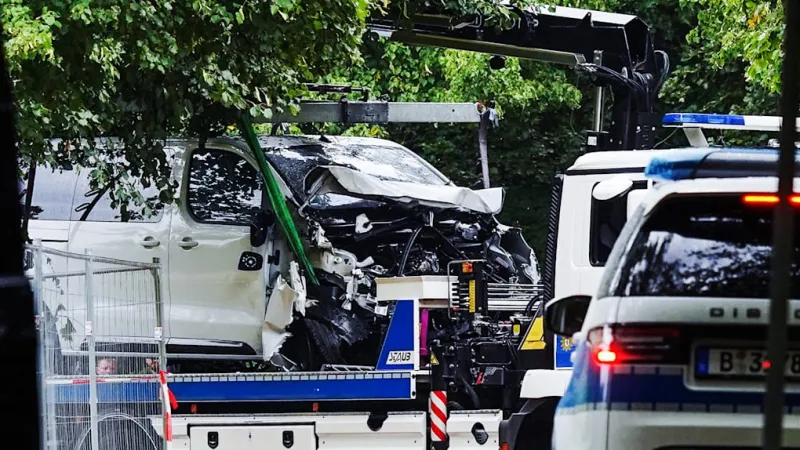
BERLIN – The deadly vehicular rampage during the Christopher Street Day (CSD) parade in Berlin represents a tragic culmination of a disturbing pattern across Germany, where over 30 innocent lives have been claimed by similar vehicular attacks since 2018.
This latest incident in the capital has reignited intense debate surrounding public safety, counter-terrorism strategies, and the challenges of preventing individuals from weaponizing everyday vehicles. The Berlin CSD attack, which authorities swiftly linked to a suspect with alleged ISIS ties, underscores the complex motivations behind these lethal incidents.
Investigators identified Abdul B. as the primary suspect in the Berlin CSD tragedy, revealing a background that included alleged ISIS links, extortion, and various brawls, according to earlier reports (Berlin CSD Suspect Abdul B.: ISIS Links, Extortion, Brawls Revealed). His apprehension followed a police firefight that ultimately neutralized the attacker (Berlin Pride Attacker Neutralized After Police Firefight).
The escalating frequency of these vehicular attacks has prompted widespread alarm among German citizens and officials. What were once considered isolated acts now appear to be part of a grim trend, necessitating a reevaluation of security protocols for public gatherings and urban spaces.
Political leaders have been vocal in their demands for decisive action. Following the Berlin CSD attack, a prominent Green leader called for robust responses to enhance public safety (Berlin Green Leader Demands Decisive Action Post-CSD Attack). Similarly, lawmakers like Lindh have advocated for proactive policing powers, believing such measures are crucial in the face of ongoing terror threats (Lindh: Berlin Terror Spurs Demand for Proactive Policing Powers).
Experts specializing in terrorism have also weighed in, highlighting systemic vulnerabilities that attackers exploit. One terror expert pointed out that the Berlin attack exposed existing gaps in preventative measures and intelligence coordination (Terror Expert: Berlin Attack Exploited Systemic Vulnerabilities).
Authorities face an inherent challenge: how to protect open, democratic societies from individuals determined to use readily available tools, such as vehicles, as instruments of violence. Implementing effective security measures without unduly restricting civil liberties remains a delicate balancing act.
Urban planners and security forces are exploring various countermeasures, including the installation of bollards, reinforced street furniture, and improved crowd management techniques at high-profile events. However, the sheer unpredictability of lone-wolf assailants complicates any comprehensive defense strategy.
The emotional toll on communities affected by these vehicular attacks is profound. Families grieve for loved ones, while survivors grapple with physical injuries and psychological trauma. Each incident leaves an indelible mark, fostering a collective sense of vulnerability.
The federal government continues to review its security policies, often in close consultation with state authorities, to develop more robust and adaptive responses to this evolving threat landscape. The goal is to enhance intelligence sharing and strengthen the resilience of public spaces.
As Germany grapples with this complex and tragic phenomenon, the imperative remains clear: protect its citizens while upholding the principles of an open society. The escalating death toll serves as a stark reminder of the continuous vigilance required to mitigate these devastating acts of violence.