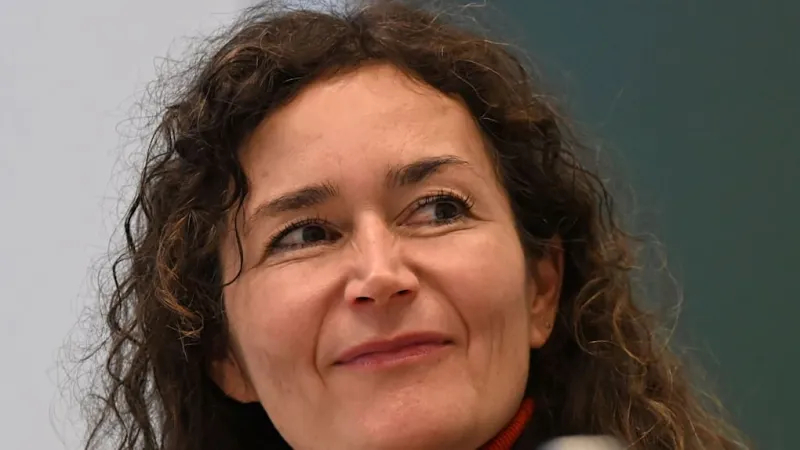
 Angela Stefani
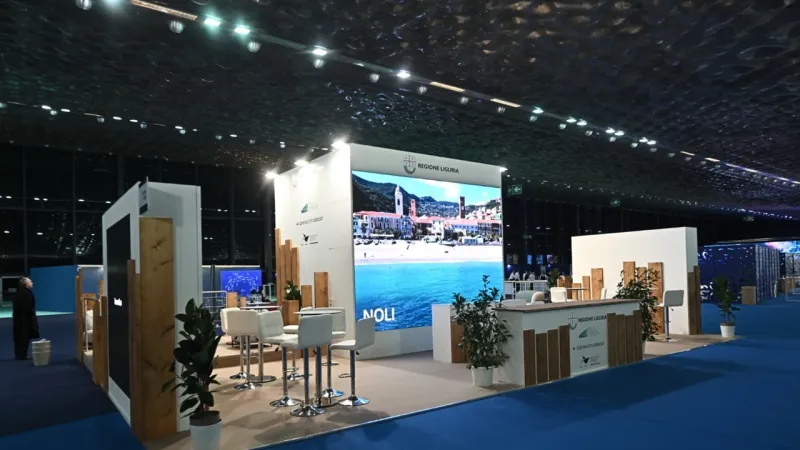
Genoa, Italy, recently launched the highly anticipated BEST summit, an international gathering dedicated to the blue economy, emphasizing its pivotal role not merely as an industry segment but as a holistic model for future sustainable development. The conference, drawing experts and policymakers from various nations, commenced with a critical reevaluation of maritime economic strategies, aiming to harness ocean resources responsibly for global prosperity and ecological balance.
Convening in the historic port city, participants included government officials, industry leaders, environmental scientists, and academic researchers, all focused on shaping a progressive agenda for ocean-based economies. The summit provides a crucial platform for dialogue on challenges and opportunities in sectors ranging from sustainable fisheries and renewable marine energy to biotechnologies and responsible maritime tourism, all under the overarching theme of fostering an integrated approach to our planetary waters.
The concept of the blue economy has evolved significantly over the past decade, moving beyond traditional maritime industries to encompass a broader framework of economic activities that are environmentally sound and socially equitable. This shift recognizes the vast, often untapped, potential of oceans while simultaneously acknowledging the urgent need for conservation in the face of climate change, pollution, and overexploitation.
A central tenet highlighted during the opening ceremonies underscored that the blue economy should be perceived less as a distinct industry and more as a foundational model for sustainable global growth. This perspective advocates for cross-sectoral collaboration and innovative solutions that integrate economic development with environmental stewardship across all ocean-related endeavors.
Discussions during the initial sessions revolved around developing cohesive international policies and fostering investment in technologies that support ocean health. Experts stressed the importance of data-driven decision-making and the integration of indigenous knowledge to ensure that blue economy initiatives benefit all stakeholders, particularly coastal communities whose livelihoods are intrinsically linked to marine ecosystems.
Attendees also addressed the significant hurdles confronting the expansion of a sustainable blue economy. These include fragmented regulatory frameworks, insufficient funding for innovative ocean technologies, and the pervasive impact of plastic pollution and ocean acidification. Overcoming these challenges requires concerted global effort and a renewed commitment to multilateral cooperation.
Despite the obstacles, the opportunities presented by the blue economy are immense. Projections indicate that ocean-based industries could significantly contribute to global GDP and job creation, especially through emerging sectors like marine biotechnology and offshore wind energy. The summit aims to identify actionable strategies to unlock this potential responsibly.
Genoa, a city with deep historical ties to maritime trade and innovation, offers an apt backdrop for these discussions. Its strategic location and ongoing initiatives in port modernization and marine research exemplify the practical application of blue economy principles. The city itself serves as a living laboratory for the concepts debated at the summit.
The Genoa summit occurs amidst a broader global landscape of intensive international diplomacy aimed at addressing pressing economic and environmental challenges. Similar high-level discussions frequently take place worldwide, such as the APEC summit where global powers converge to shape agendas on trade and sustainability. These forums collectively underscore a shared international commitment to redefining economic paradigms for a more resilient future.
Over the coming days, the BEST summit expects to finalize a series of recommendations and pledges aimed at accelerating the transition towards a genuinely sustainable blue economy. These outcomes are anticipated to influence national policies and international investment strategies, fostering a more harmonious relationship between humanity and the oceans.
The ultimate objective extends beyond economic growth; it seeks to cultivate a profound shift in how societies perceive and interact with marine environments, ensuring that the planet's vast ocean resources remain vibrant and productive for generations to come. The emphasis is on long-term ecological and economic resilience rather than short-term gains.