 Edward DP Situmorang
BERLIN – A critical meeting among Germany's leading coalition figures reportedly teetered on the brink of collapse recently, fueled by an escalating dispute over the proposed electricity tax reduction. The contentious discussions culminated in the abrupt, visibly displeased departure of Christian Democratic Union (CDU) leader Friedrich Merz, casting a shadow of uncertainty over the government's stability.
The dramatic turn of events, widely reported by national media outlets, occurred as senior representatives of the governing alliance convened to address pressing national issues, with the highly anticipated energy policy becoming a significant point of contention. The core disagreement centers on the future of the electricity tax, a pivotal element in Germany's economic and environmental strategy.
Sources close to the negotiations indicated that the discussions grew increasingly heated, specifically around the financial implications and sustainability of cutting the electricity tax. This measure has been a subject of intense debate, with different factions within the coalition holding divergent views on its necessity and potential economic impact.
Friedrich Merz's departure was not merely a tactical retreat but, as some observers suggest, a clear indication of the deep fissures within the coalition. His visible displeasure underscored the gravity of the disagreements that had pushed the talks to the verge of dissolution.
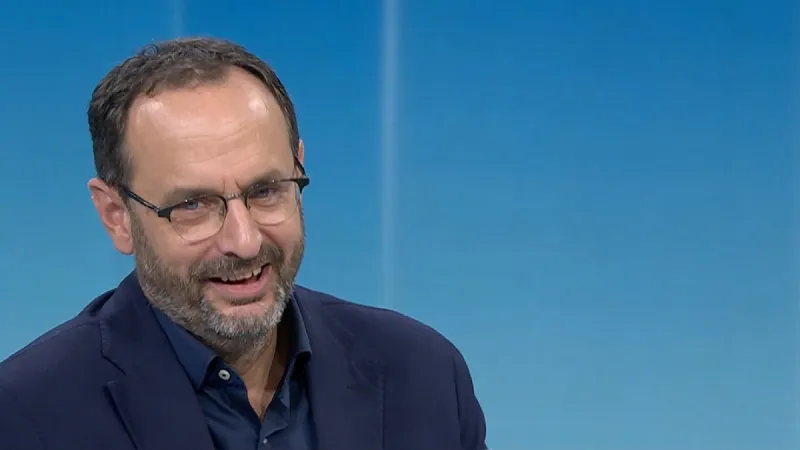
The immediate aftermath saw various interpretations of Merz's exit. Peter Tiede, a political chief author for Bild, commented on the official narrative, stating, "Now they are trying to portray it as if Merz just wanted to get his stick and hat." This observation suggests an attempt to downplay the intensity of the disagreement and Merz's palpable frustration during the high-stakes negotiations.
The electricity tax reduction is not an isolated issue; it is intertwined with broader economic recovery efforts and the nation's ambitious climate protection goals. Proponents argue it would relieve households and businesses, stimulating growth, while opponents caution against its potential to strain public finances and hinder green energy transition initiatives.
This latest discord adds to a series of challenges faced by the current German government. Navigating coalition politics in 2026 requires a delicate balance of diverse interests and ideologies, a task made more arduous by the persistent economic pressures and geopolitical uncertainties affecting Europe.
The repercussions of a stalled agreement on the electricity tax could extend beyond mere policy implementation. Such a failure risks eroding public trust in the coalition's ability to govern effectively and could signal deeper structural problems within the alliance.
Government officials have largely remained tight-lipped about the specifics of the disagreement, adhering to customary protocol for sensitive coalition talks. However, the media coverage and insider accounts paint a picture of significant tension behind closed doors.
Across Europe, governments grapple with complex fiscal policies and budget negotiations, mirroring challenges seen in countries like Italy, which recently faced intense debate over record amendments to its budget. Italy's Budget Blitz: Record Amendments Fuel Amnesty Debate underscores the pervasive nature of financial policy conflicts within continental politics.
For the German coalition, the coming days will be crucial. Leaders must find a pathway to reconciliation and consensus on the electricity tax reduction to restore confidence and demonstrate their collective capability to steer the nation through its present difficulties. The incident serves as a stark reminder of the fragile nature of political alliances and the constant negotiation required to maintain governmental stability.
Failure to resolve this contentious issue promptly could lead to prolonged political instability, potentially impacting Germany's standing in the European Union and its capacity to address critical national and international challenges. The nation watches closely as its leaders endeavor to overcome this significant hurdle.