Robert Andrison
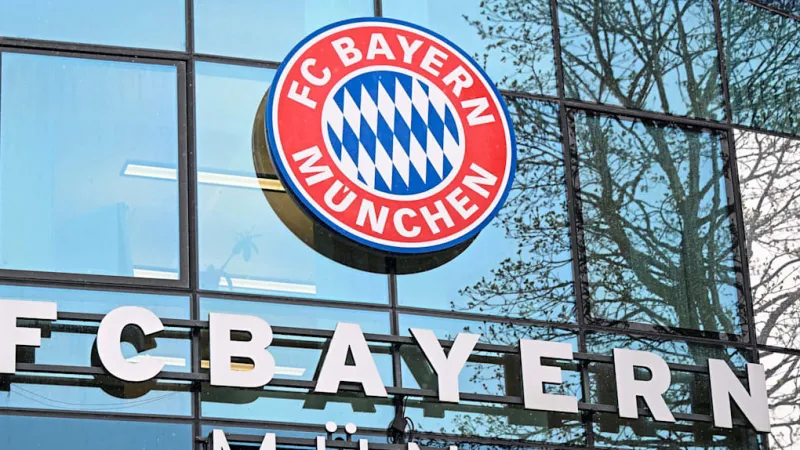
MUNICH, Germany – FC Bayern Munich, one of the world's most successful football clubs, has announced a significant financial transaction, selling a stake in the club to the German industrial company Viessmann. This strategic deal, valued at a substantial quarter of a billion euros (€250 million), is poised to have a profound impact on the clubs renowned financial reserves, often referred to as its Festgeldkonto. The announcement signals a robust move to fortify Bayerns economic standing in the increasingly competitive landscape of global football.
The capital infusion from Viessmann arrives at a critical juncture for European football. Clubs face escalating costs for player acquisitions, wages, and infrastructure development, making strong financial health paramount for sustained success. FC Bayerns leadership has consistently emphasized prudent financial management, a philosophy underpinning their consistent performance both on and off the pitch.
Viessmann, a family-owned company headquartered in Allendorf, Germany, specializes in heating, industrial, and cooling systems. The firms decision to invest in FC Bayern aligns with a growing trend of major corporations partnering with elite sports organizations to enhance brand visibility and leverage global fan bases. This collaboration provides Viessmann with exposure to Bayerns vast international audience, particularly across key growth markets.
For FC Bayern, the €250 million windfall significantly bolsters its Festgeldkonto, a term colloquially used to describe the clubs considerable liquid assets and financial stability. This substantial reserve has historically allowed Bayern to make strategic investments without relying heavily on external debt, a stark contrast to many other top-tier European clubs. The new funds offer enhanced flexibility for future strategic initiatives.
The additional capital could be deployed in several key areas. Potential uses include investments in world-class talent acquisition during upcoming transfer windows, further development of the clubs state-of-the-art training facilities, and expansion of its global brand presence through international tours and marketing campaigns. Such investments are crucial for maintaining the clubs competitive edge in tournaments like the UEFA Champions League, where teams often contend for supremacy. Recently, in a testament to the high stakes of European competition, Ten-Man Inter Milan Secured Dramatic Champions League Victory Over Shakhtar, highlighting the intense battles played out on the continent.
This share sale represents a continuation of FC Bayerns long-standing model of attracting prominent German companies as strategic partners. Unlike many clubs that sell majority stakes to external investors or sovereign wealth funds, Bayern has traditionally maintained significant member ownership while partnering with leading national brands. This approach aims to balance commercial growth with the clubs deep-rooted identity and fan culture.
Industry analysts suggest that the deal reinforces FC Bayerns position as a financially robust and attractive institution in the sports world. It sends a clear message about the clubs stability and its ability to secure lucrative partnerships, even amidst broader economic uncertainties. Such financial strength provides a critical advantage in player retention and recruitment, allowing the club to compete with teams backed by state funding or mega-rich owners.
The move also underscores a broader commercialization trend within European football, where clubs increasingly look beyond traditional matchday and broadcast revenues to secure their financial futures. Strategic equity partnerships, sponsorship deals, and brand collaborations are now essential components of a top clubs economic strategy. This diversification helps mitigate risks associated with fluctuating sporting performance or economic downturns.
While the exact percentage of shares sold was not immediately disclosed, FC Bayern has historically adhered to its 50+1 rule, which ensures members retain majority voting rights. This principle is deeply ingrained in German football culture and protects clubs from becoming solely profit-driven entities beholden to external owners. The Viessmann deal likely respects this foundational ownership structure.
The infusion of €250 million empowers FC Bayern to approach its medium-term financial planning with renewed confidence. It strengthens an already formidable balance sheet, enabling proactive rather than reactive decision-making in player transfers, youth development, and global market penetration. This strategic financial maneuver solidifies FC Bayerns ambition to remain at the pinnacle of European and world football for years to come.