 Edward DP Situmorang
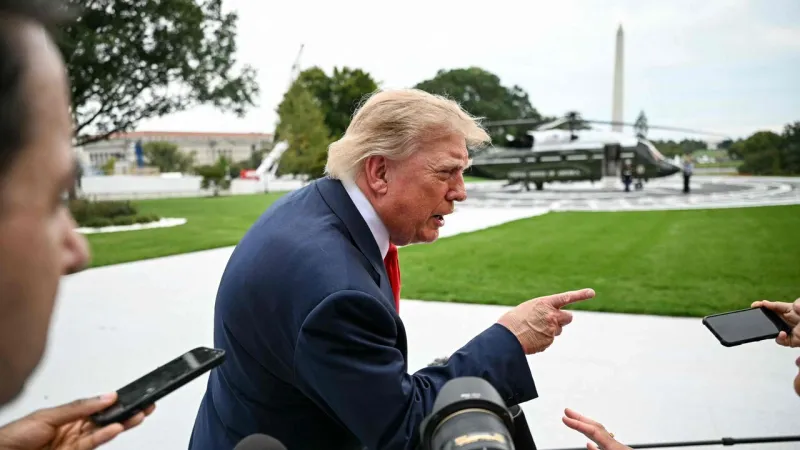
Washington, D.C. – President Donald Trump today issued a scathing critique of Ukrainian President Volodymyr Zelensky, asserting that Ukraine requires a new leader and accusing Zelensky of "creating problems for the world." These remarks surfaced following Zelensky's public condemnation of Washington's decision to revoke sanctions on Russian diesel, a move that has now prompted the United States to consider halting intelligence information sharing with Kyiv.
The diplomatic friction underscores a deepening chasm in the critical bilateral relationship, particularly as Ukraine continues to navigate a prolonged conflict. President Trump's strong statements suggest a significant re-evaluation of US support, contingent upon a leadership change in Kyiv. The implications of such a shift could profoundly alter the geopolitical landscape.
Ukrainian President Zelensky's dissatisfaction stemmed from Washington's apparent leniency on Russian energy exports. He openly criticized the revocation of sanctions targeting Russian diesel, arguing that such actions undermine the collective effort to financially constrain the Kremlin and impede its military capabilities. This stance evidently provoked a strong reaction from the Trump administration.
In response to Kyiv's outspoken criticism, sources within the US administration indicated a serious contemplation of ceasing intelligence cooperation. This potential cessation of intelligence sharing would represent a severe blow to Ukraine's defense efforts, which heavily rely on American reconnaissance and strategic insights to counter ongoing aggression.
Meanwhile, the Kremlin has weighed in on the unfolding situation. Russian President Vladimir Putin reportedly expressed understanding regarding "some US de-escalation proposals," as stated by official Kremlin channels. This statement hints at a complex diplomatic maneuver, where Moscow appears to acknowledge potential overtures from Washington amid the strained US-Ukraine dynamic. This development raises questions about the long-term strategic alignment of major global powers.
The provision of intelligence has been a cornerstone of US assistance to Ukraine, offering critical data on adversary movements, capabilities, and intentions. Without this vital flow of information, Ukraine's operational planning and defensive posture could be significantly compromised, potentially leading to increased vulnerability on the battlefield.
Observers suggest that President Trump's public rebuke and the subsequent threat to intelligence sharing could be interpreted as a strategic lever to compel Ukraine to align more closely with US policy directives, particularly concerning Russia. This approach signals a departure from previous diplomatic norms where such disagreements might be handled through less public channels.
The escalating tension highlights the intricate balance of power and alliances in the region. Ukraine's ability to maintain international support, especially from its primary benefactor, is paramount to its sovereignty and security. A withdrawal of US intelligence could precipitate a broader re-evaluation of international aid packages.
This latest development follows a period where the relationship between President Trump and President Putin has been characterized by notable interactions. For instance, reports previously indicated that Trump, Putin Extend Cordial Call, suggesting a complex interplay of personal diplomacy separate from the more confrontational official foreign policy stances. This history provides some context for understanding the Kremlin's current receptiveness to de-escalation talks.
The international community watches closely as Washington and Kyiv navigate this precarious phase. The implications extend beyond immediate military concerns, touching upon the principles of sovereign decision-making and the parameters of allied support in a time of global instability. Future developments will undoubtedly shape the trajectory of regional conflicts and diplomatic relations.
The call for new leadership in Ukraine by a sitting US president marks an extraordinary intervention into another nation's internal political affairs, signaling a potential new chapter in international relations. This assertive stance by President Trump could redefine the framework of alliances and assistance in ongoing global flashpoints.
The current diplomatic impasse also underscores the persistent challenge of maintaining a unified front against aggression when fundamental policy differences emerge between allies. The ramifications of such a public disagreement at a critical juncture for Ukraine are considerable, potentially emboldening adversaries and disheartening partners.