Dorry Archiles
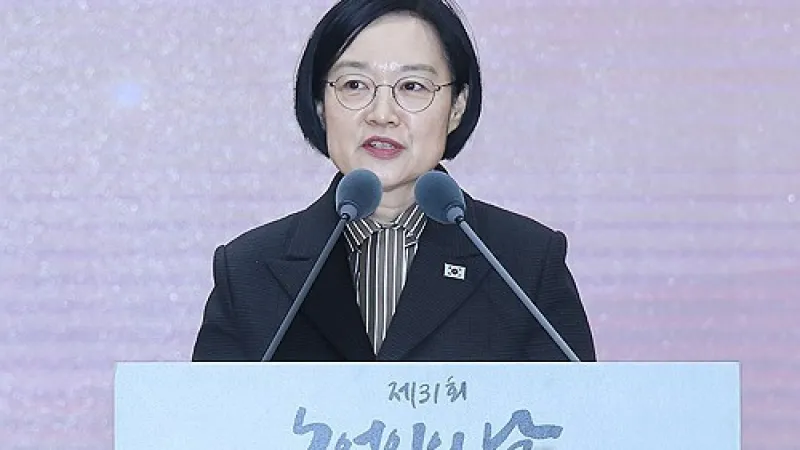
SEOUL, Nov. 11, 2026 – Prime Minister Han Seong-sook today pledged comprehensive measures aimed at fundamentally improving the operating environment for South Korean farmers, signaling a renewed governmental focus on the nation's vital agricultural sector amid ongoing economic pressures. The Prime Minister delivered her remarks during a policy address in the capital, outlining a strategic vision to bolster food security and enhance the livelihood of rural communities.
The Prime Minister emphasized her administration's commitment to creating a sustainable and prosperous future for South Koreas agricultural producers. She highlighted the necessity of innovative solutions to address persistent challenges such as an aging farming population, climate change impacts, and intense global competition. This pledge marks a significant policy direction, underscoring the government's recognition of agriculture's foundational role in national stability.
For decades, South Korean agriculture has grappled with myriad issues, including diminishing arable land, volatile market prices, and a generational gap as younger individuals increasingly gravitate towards urban opportunities. These factors collectively contribute to a demanding landscape for those dedicated to cultivating the nation's food supply.
Prime Minister Han's initiatives are expected to encompass several key areas. These include increased direct subsidies for small and medium-sized farms, expanded access to advanced agricultural technologies, and robust support for export-oriented farming practices. The government aims to empower farmers through education and infrastructure development, fostering resilience against external shocks.
A central tenet of the proposed reforms is enhancing market access for domestically produced goods, both within South Korea and internationally. The administration plans to streamline regulatory processes and invest in marketing campaigns to elevate the profile of local produce. This strategic approach seeks to ensure competitive pricing and fair compensation for farmer efforts.
Moreover, the Prime Minister indicated a strong focus on smart farming solutions, leveraging artificial intelligence and data analytics to optimize crop yields and resource management. Such technological integration is crucial for modernizing the sector and attracting a new generation of agriculturalists equipped with contemporary skills.
The pledge arrives at a critical juncture, as global supply chain disruptions and inflationary pressures continue to impact food prices and availability. By strengthening domestic agricultural capabilities, South Korea aims to mitigate external vulnerabilities and secure a stable supply of essential foodstuffs for its citizens.
Analysts suggest that successful implementation of these policies could lead to a significant revitalization of rural economies, potentially reversing migration trends and fostering a more balanced national development. However, they also caution that sustained political will and substantial budgetary allocations will be indispensable for achieving the stated objectives.
Agricultural organizations and farmers unions across the nation have largely welcomed the Prime Ministers pronouncements, expressing cautious optimism about the potential for meaningful change. Many have long advocated for more robust governmental support to counter the challenges that have eroded farm profitability and stability.
The administration now faces the complex task of translating these ambitious pledges into tangible outcomes. Detailed legislative proposals and budget allocations are anticipated in the coming months, which will reveal the full scope and practical implications of Prime Minister Han Seong-sooks commitment to South Korean farmers. The future prosperity of the nations agricultural backbone hinges on these forthcoming actions.