 Stefani Rindus
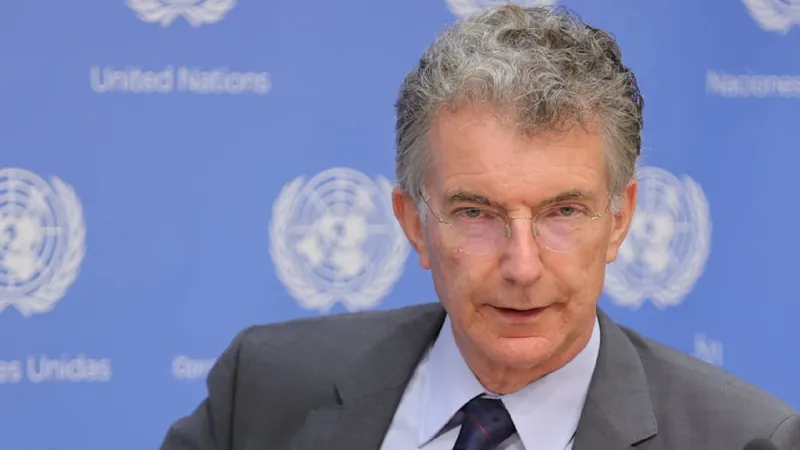
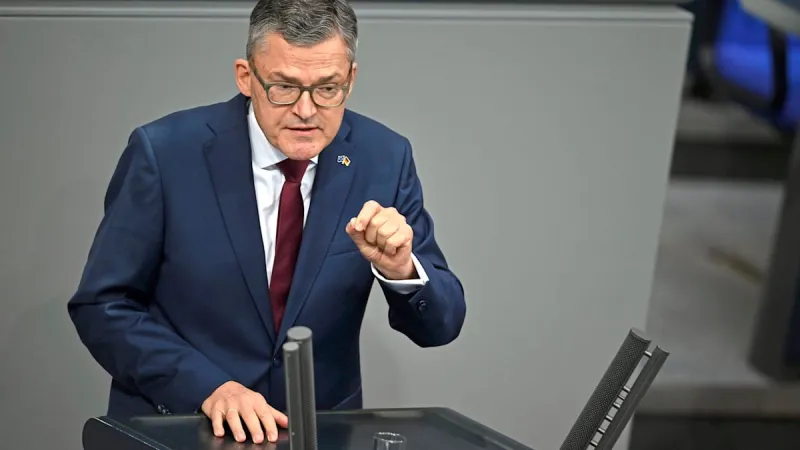
BERLIN – Germany's aspirations for a coveted non-permanent seat on the United Nations Security Council recently faltered, a significant diplomatic setback that has quickly ignited a contentious political debate within the nation. The defeat prompted pointed criticism from Christoph Heusgen, the former German Ambassador to the UN, who explicitly attributed the failure to Friedrich Merz, leader of the Christian Democratic Union (CDU).
Heusgen, a seasoned diplomat with extensive experience navigating the intricacies of international relations, sketched his explanation for Germany's inability to secure the essential votes. His remarks underscore a growing internal scrutiny regarding the nation's foreign policy approach and its representation on the global stage.
The former ambassador's accusations, while not detailing specific actions, imply a lack of strategic foresight or effective advocacy that might have swayed the critical votes needed for the Security Council position. Such a failure represents a blow to Germany's ambition to exert greater influence in multilateral forums, particularly at a time of escalating global challenges.
The United Nations Security Council holds a pivotal role in maintaining international peace and security, with its resolutions carrying substantial weight. Gaining a seat on this body offers a nation an invaluable platform to shape global discourse and policy decisions on critical issues, from conflict resolution to humanitarian interventions.
Germany's pursuit of such a seat is consistent with its long-standing commitment to multilateralism and its desire to contribute actively to global governance. The recent outcome, however, suggests a disconnect between these aspirations and the practical execution of its diplomatic strategy.
Simultaneously, the broader European political landscape continues to evolve, with various proposals aimed at consolidating the continent's international voice. Renowned SPD European politician Katarina Barley has vocally advocated for a unified European Union seat on the Security Council, suggesting a more cohesive and powerful representation for the bloc.
Barley's proposal reflects a strategic push towards deeper European integration in foreign policy matters, potentially offering a solution to individual member states' difficulties in securing prominent international positions. This approach could amplify Europe's collective influence, ensuring its perspectives are consistently represented at the highest levels of global decision-making.
Discussions surrounding a joint EU seat are not novel, but they gain renewed urgency following setbacks like Germany's. Such a move would necessitate significant diplomatic coordination and a consensus among member states, yet proponents argue it is essential for the EU to truly become a formidable global actor.
While the immediate focus remains on understanding the precise reasons behind Germany's UN Security Council defeat, the underlying debate extends to the efficacy of individual national efforts versus a more unified European diplomatic front. This incident provides a fresh impetus for examining how European nations can best project their collective power and values on the world stage.
The implications of this diplomatic setback are wide-ranging, touching upon Germany's political leadership, its foreign policy machinery, and the ongoing dialogue about strengthening European global standing. The comments from Heusgen have undoubtedly intensified calls for accountability and a re-evaluation of Germany's international strategy.
Further discussions on Europe's unified diplomatic future are also unfolding, particularly with critical developments such as the EU Accession Window Opens for Ukraine, Moldova Amid Russian Trap Fears. These events highlight the dynamic nature of international relations and the constant need for adaptive foreign policy.
Critics argue that political leadership plays a crucial role in international negotiations and that a unified national approach is paramount. The current situation in Berlin prompts questions about whether a cohesive front was presented or if internal political dynamics inadvertently hampered Germany's diplomatic efforts.
As 2026 progresses, the political ramifications of this UN Security Council loss will likely continue to reverberate, shaping both Germany's internal political landscape and its future engagements in global institutions. The incident serves as a stark reminder of the complexities inherent in multilateral diplomacy and the high stakes involved in securing a place at the international decision-making table.