 Chris Robert

ROME – Italy's progressive political camp has intensified its efforts to forge a unified front, convening a critical summit and engaging the public on their proposed program. This acceleration comes, however, with the conspicuous absence of former Prime Minister Matteo Renzi, whose Italia Viva party remains outside the immediate coalition, prompting questions about the breadth of future unity. While Five Star Movement leader Giuseppe Conte expressed caution regarding rapid consolidation, Renzi himself affirmed the necessity of such an alliance, keeping a door open for future engagement.
The recent gathering of progressive leaders underscored a palpable urgency to consolidate forces amidst Italy's complex political landscape. Representatives from various left-leaning and centrist parties met to strategize a coherent platform, aiming to present a viable alternative to the current government. The discussions reportedly centered on key policy areas, from economic recovery to social justice reforms.
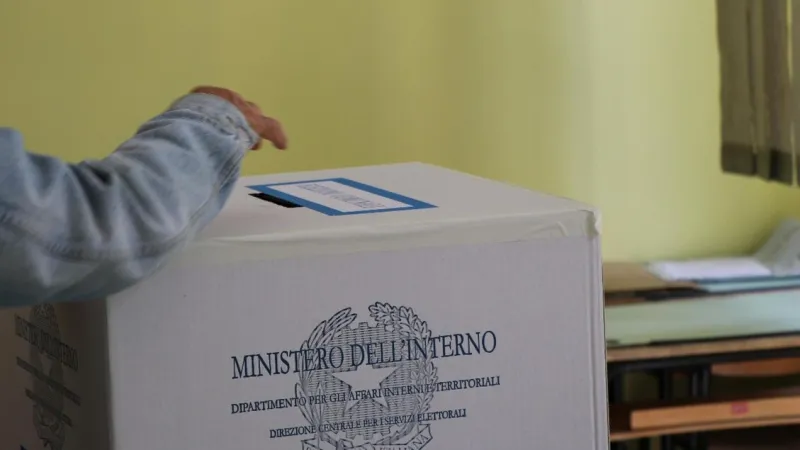
Beyond the closed-door summit, the coalition initiated public engagement events designed to gather feedback directly from citizens and build grassroots support for their burgeoning program. This dual approach signifies a commitment to both high-level political coordination and broader public participation, seeking to ground their agenda in popular consensus.
A significant point of friction, or at least deliberation, emerged from the posture of Giuseppe Conte. The leader of the Five Star Movement, a crucial component of any successful progressive alignment, reportedly applied the brakes on immediate, full-scale integration. His reticence may stem from a desire to meticulously define programmatic common ground or to ensure internal party cohesion before committing to a broader, potentially unwieldy, coalition.
Conversely, Matteo Renzi, despite his physical absence from the core summit, articulated a more open, albeit conditional, stance. The leader of Italia Viva, a centrist liberal party, did not outright dismiss the prospect of joining the progressive fold. He publicly asserted, "The alliance is needed," signaling a strategic understanding of the collective benefit of unity against political rivals.
Renzi's declaration provides a glimmer of hope for those advocating for a truly broad progressive alliance. His previous governmental experiences and centrist appeal could significantly bolster the coalition's electability, bridging ideological gaps that often plague Italian left-leaning formations. His conditional openness suggests that specific programmatic concessions or power-sharing agreements might be prerequisites for his full participation.
The drive for a consolidated progressive front is not novel in Italian politics. Past attempts to unite diverse parties on the left and center have often faltered due to personality clashes, ideological divergences, or strategic disagreements. This latest push, therefore, represents a renewed effort to overcome historical impediments and present a united electoral alternative.
Observers note that the ongoing dialogue mirrors previous attempts at forging comprehensive political pacts. For instance, recent reports highlighted various efforts by Rome leaders to form a broad coalition, with citizen summits scheduled to discuss changing Italy. These initiatives, like the current one, seek to unify disparate political entities under a common banner. Italian Broad Coalition Schedules Citizen Summits: Changing Italy and Italian Broad Coalition Leaders Convene for Critical July Summits documented these critical convenings.
The progressive camp's strategic acceleration is undoubtedly a response to the current political climate in 2026. With the conservative bloc holding significant sway, a fragmented opposition risks perpetual marginalization. A unified alliance, therefore, becomes not merely desirable but arguably essential for any meaningful challenge in future elections.
Key programmatic differences, such as approaches to fiscal policy, environmental regulations, or social welfare programs, likely form the crux of Conte's caution and Renzi's conditions. Reconciling these diverse viewpoints into a single, cohesive platform will be the ultimate test of the progressive camp's ability to unite.
The stakes for Italy's electorate are considerable. The formation of a robust and coherent progressive coalition could offer voters a clear choice, fostering more dynamic political debate and potentially altering the balance of power. The absence of such unity risks perpetuating political stasis or further entrenching existing power structures.
The coming weeks and months will prove crucial as the progressive coalition navigates internal divisions and external pressures. Whether Renzi's conditional support can be translated into full partnership, and whether Conte's reservations can be addressed, will determine the true strength and viability of Italy's unified progressive front moving forward.