 Robert Andrison
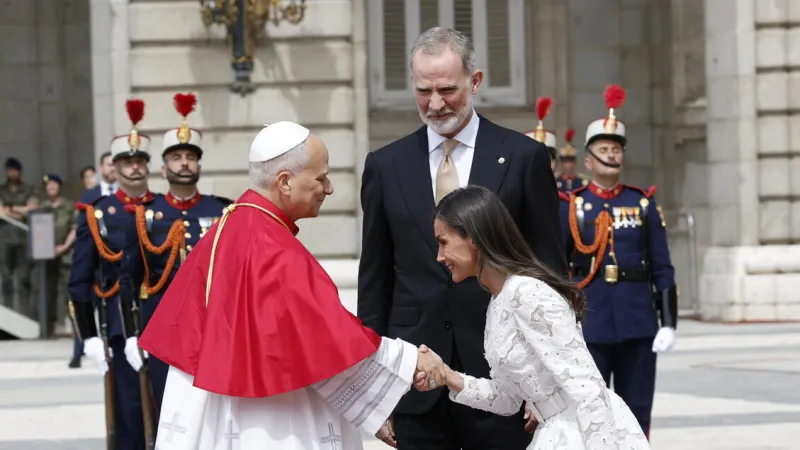
Madrid—Pope Leone today passionately urged a renewed push for negotiations to resolve the protracted conflict in Ukraine, delivering his message during a significant apostolic pilgrimage to Spain. The pontiff highlighted the critical necessity for dialogue, referencing previous, albeit stalled, efforts between Ukrainian President Volodymyr Zelensky and Russian President Vladimir Putin to foster peace.
Speaking to Vatican News, Pope Leone underscored the urgent need for diplomatic solutions. He stated, "Per l'Ucraina bisogna spingere sul negoziato. Zelensky-Putin? Almeno si stavano facendo degli sforzi," which translates to, "For Ukraine, we must push for negotiation. Zelensky-Putin? At least efforts were being made." This firm declaration reinforces his consistent appeals for an end to hostilities.
The Pope's visit to Spain, part of what the Vatican termed a "pivotal apostolic mission," commenced with high expectations. This journey, as detailed in reports like Pope Leone XIV Departs for Spain on Pivotal Apostolic Mission, aims to strengthen Catholic ties in the region and address broader European spiritual concerns.
His message from the heart of Madrid resonates globally, particularly given the ongoing geopolitical tensions exacerbated by the conflict. The Holy See has consistently positioned itself as a neutral arbiter, advocating for humanitarian principles and peaceful resolutions.
The Vatican's history is replete with diplomatic efforts aimed at de-escalating international crises. Pope Leone continues this tradition, leveraging the moral authority of his office to appeal to world leaders and conscience. This particular intervention underlines the deep concern felt within the Church regarding the human cost of the Ukrainian conflict.
Achieving a lasting peace through negotiation, however, remains a formidable challenge. Both Kyiv and Moscow have frequently expressed conditions that appear mutually exclusive, complicating any path toward a ceasefire or political settlement.
Pope Leone's reference to past efforts between Presidents Zelensky and Putin recalls early stages of the conflict when various intermediaries attempted to broker talks. While these discussions ultimately yielded no enduring peace, the Pope's statement suggests that even initial attempts held value and that such pathways should not be abandoned.
The international community remains divided on the most effective strategy to end the conflict, with some nations prioritizing military support for Ukraine and others advocating more strongly for diplomatic engagement. Pope Leone's stance aligns with a persistent call for diplomacy.
Beyond the plea for peace, Pope Leone's itinerary in Spain includes meetings with political leaders, interfaith dialogues, and public masses, reflecting a comprehensive engagement with Spanish society and its challenges. His pronouncements on Ukraine are thus interwoven into a larger narrative of global concern.
Observers note that a papal intervention, particularly one as direct as this, often serves to re-energize diplomatic discourse, urging all parties to reconsider their positions and explore avenues for de-escalation. The sheer moral weight of the papacy can shift the focus back to humanitarian considerations.
While an immediate breakthrough remains elusive, the pontiff's words are a potent reminder that the pursuit of peace requires relentless effort and an open willingness from all sides to compromise. The road to reconciliation in Ukraine is long, but every call for dialogue is a step forward.
Pope Leone's persistent advocacy highlights the Catholic Church's unwavering commitment to fostering a world where conflicts are resolved through negotiation, not prolonged warfare. His call from Madrid is a beacon for those seeking a peaceful resolution to one of the world's most pressing humanitarian crises.