 Dorry Archiles
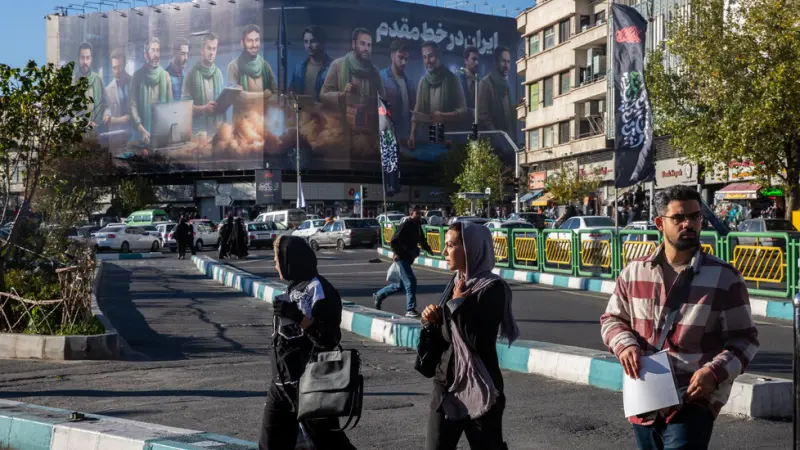
ISLAMABAD — The Pakistani capital city of Islamabad resumed normal operations today following several days of heightened security and partial lockdown, a measure implemented amid escalating regional anxieties after US-Iran diplomatic efforts for de-escalation unexpectedly failed to materialize. The diplomatic breakdown has cast a long shadow over stability in the wider Middle East, prompting immediate security reviews and concerns across several nations.
The citys phased reopening began early this morning, with government offices, markets, and educational institutions gradually welcoming back staff and students. Security checkpoints, which had been significantly increased at key locations, are slowly being scaled back, though a visible police and paramilitary presence remains.
The impetus for the lockdown emerged from the highly anticipated, yet ultimately aborted, talks between Washington and Tehran. While details surrounding the specific points of contention that led to the non-commencement of dialogue remain scarce, sources close to the diplomatic circles indicate fundamental disagreements over preconditions for the meeting.
President Donald Trump's administration had reportedly sought a direct, unmediated summit, emphasizing a desire for swift de-escalation. However, Iranian officials insisted on a framework that guaranteed specific outcomes regarding sanctions relief before any high-level engagement, an insistence that proved to be an insurmountable hurdle.
Defense analysts suggest that the failure of these crucial U.S.-Iran talks to materialize has significantly heightened the risk of miscalculation in an already volatile region. The brief period of hope for diplomatic breakthroughs has now given way to renewed apprehension.
Across the Middle East, leaders are closely monitoring the fallout. Statements from Riyadh and Abu Dhabi expressed regret over the failed diplomatic overtures, while simultaneously reiterating their commitment to regional security cooperation.
Pakistan, geographically positioned near the flashpoint, took preemptive security measures to safeguard its population and infrastructure. Officials in Islamabad emphasized that the precautions were purely defensive, aimed at preventing any potential spillover from increased regional instability.
A senior Pakistani foreign ministry official, speaking on background, stated, The regions stability is paramount. We cannot afford any escalation that might destabilize the hard-won peace in neighboring territories. Our actions were a prudent response to an evolving threat assessment.
The prospect of further economic disruption also looms large. Oil prices saw an immediate uptick on global markets following the news, reflecting investor anxiety. International shipping routes, particularly through the Strait of Hormuz, are under increased scrutiny.
Experts on international relations point out that the inability of the US-Iran talks to materialize not only impacts regional security but also President Trumps broader foreign policy agenda, which has consistently prioritized direct engagement and de-escalation efforts in long-standing conflicts.
As Islamabad reopens, a sense of cautious normalcy prevails. However, the underlying tensions persist, underscoring the delicate balance of power and the urgent need for renewed diplomatic pathways to prevent further deterioration in the strategic landscape of the Middle East.