 Chandra Wijayanto
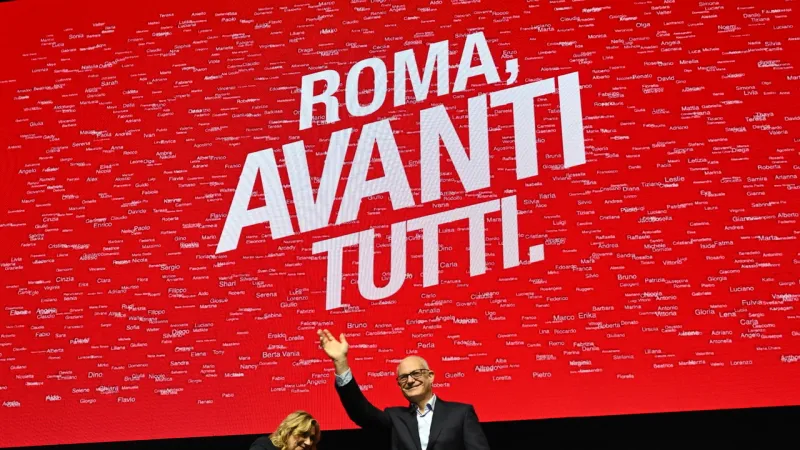
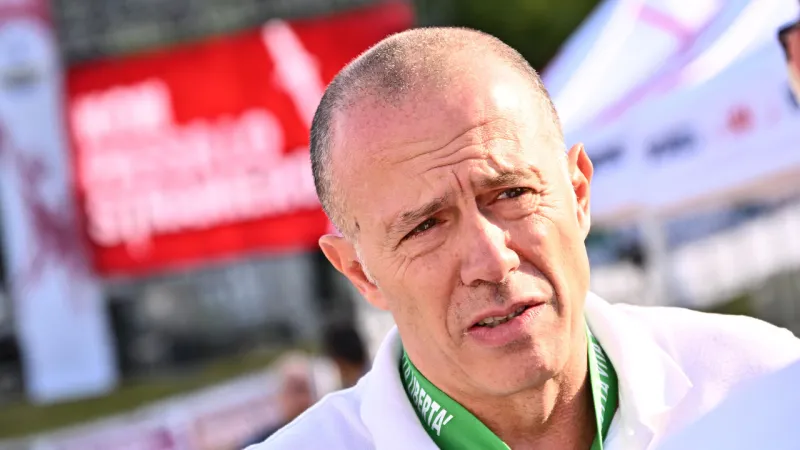
Rome Mayor Roberto Gualtieri has officially launched his campaign for re-election to the Capitoline, consolidating a remarkably broad political alliance that includes traditionally disparate parties such as the Five Star Movement (M5s) and Azione. This strategic move aims to present a united front for the upcoming 2026 mayoral elections, spearheaded by the new campaign slogan, 'Roma avanti tutti' (Rome, forward all).
This expansive coalition, dubbed the 'campo larghissimo' or 'very broad field', signifies a significant political maneuver within Italy's often fragmented landscape. It brings together a spectrum of political ideologies, from the populist M5s to the more centrist Azione, under Gualtieri's leadership, underscoring a shared commitment to the city's future.
The announcement, made amidst growing anticipation for the mayoral race, positions Gualtieri as a candidate seeking continuity and stability. His first term has focused on addressing the myriad challenges facing the Eternal City, from infrastructure improvements to public services revitalization, a narrative he will undoubtedly carry into his re-election campaign.
The inclusion of both M5s and Azione is particularly notable. The Five Star Movement, once a dominant force, has seen its support fluctuate but still retains a considerable base. Azione, a relatively newer centrist party, represents a segment of the electorate keen on pragmatic governance and reform. Their decision to back Gualtieri signals a potential shift towards a more unified progressive-to-centrist bloc in Roman municipal politics.
Observers of Italian politics note that forging such a wide-ranging alliance often presents inherent challenges in maintaining cohesion and agreeing on policy priorities. However, Gualtieri's team appears confident that the shared objective of advancing Rome's welfare will override potential internal differences.
His slogan, 'Roma avanti tutti', encapsulates a message of collective progress and inclusivity, striving to resonate with all Roman citizens regardless of their political affiliations. It reflects a desire to move beyond partisan divides and foster a collaborative environment for the citys development.
The stakes for the 2026 mayoral elections are substantial. Rome, as the nation's capital and a global cultural hub, requires robust and consistent leadership to tackle ongoing issues such as urban decay, transportation woes, and economic revitalization. The outcome of this race will not only shape the city's trajectory but could also influence national political dynamics.
Gualtieri's campaign strategy will likely emphasize his administration's achievements and outline a detailed vision for future improvements. Expect a focus on sustainable urban development, enhancement of public transport, and initiatives to boost tourism and local economy, all framed within the context of a city moving forward.
This early consolidation of support suggests a strategic effort to deter potential challengers and present an unassailable front. While other candidates are expected to emerge, the breadth of Gualtieri's initial coalition could prove a formidable advantage in a crowded electoral field.
The coming months will undoubtedly witness intensified political debate and public scrutiny as the campaign unfolds. The ability of this 'campo larghissimo' to maintain its unity and effectively communicate its vision to the Roman populace will be crucial to Gualtieri's hopes for a second term presiding over the Capitoline.