Chris Robert
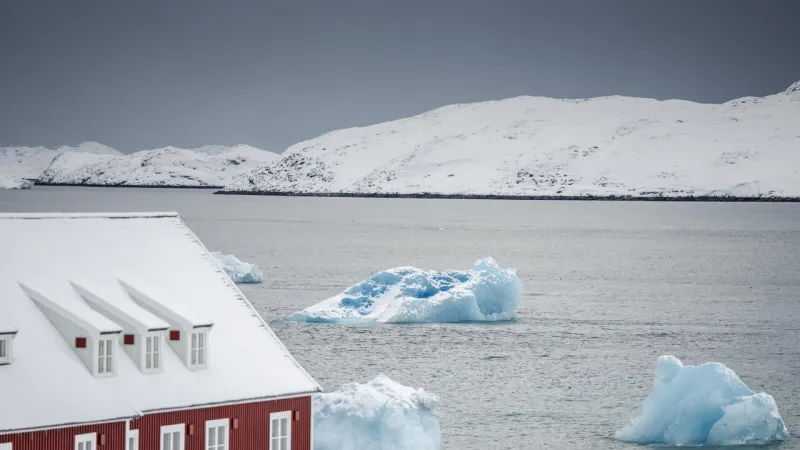
Nuuk, Greenland – Greenland's government has revoked all authorizations for the US-based company Greenland Energy, effectively blocking its anticipated oil drilling operations in the Arctic. The decision, delivered just one week before the firm was scheduled to commence perforation, marks a significant policy pivot by the autonomous Danish territory, underscoring growing global concerns over climate change and environmental preservation.
The move comes as a stark reversal for Greenland Energy, which had invested considerable resources into preparing for its exploratory drilling in the sensitive Arctic waters. The company had secured initial permits and was on the cusp of beginning its controversial operations, which many environmental groups vehemently opposed.
Authorities in Nuuk cited the imperative to protect Greenland's pristine environment and contribute to global climate goals as primary reasons for their unexpected intervention. This action aligns with a broader international push to reduce reliance on fossil fuels and transition towards more sustainable energy sources. The decision by the Greenlandic Parliament reflects a deep commitment to its unique ecosystem.
For decades, the vast, ice-covered landscapes of Greenland have been viewed by some as a potential frontier for hydrocarbon extraction. Geologists estimate significant oil and gas reserves beneath its seabed, attracting international energy companies eager to tap into these resources. However, the environmental risks associated with Arctic drilling, including potential spills and disruption to marine life, have always fueled intense debate.
The government's decision signals a renewed focus on environmental stewardship over immediate economic gains from resource extraction. Historically, Greenland has grappled with the delicate balance between economic development and safeguarding its fragile Arctic environment. This latest ruling firmly places environmental protection at the forefront of its agenda.
Greenland Energy, a subsidiary of a larger American conglomerate, has not yet issued a formal statement regarding the revocation of its permits. Industry analysts anticipate substantial financial losses for the company, given the advanced stage of its preparatory work. The long-term implications for other companies considering Arctic investments remain uncertain.
Observers suggest that the timing of this decision reflects a heightened global awareness of climate change's immediate impacts. Melting glaciers and rapidly changing weather patterns have made the Arctic a stark symbol of the climate crisis. For context, the global community continues to grapple with phenomena like the climate crisis fueling wildfire surges, demonstrating the urgent need for action.
This policy shift by Greenland also holds broader geopolitical significance. The Arctic region has become an increasingly strategic area, with nations vying for influence and access to potential shipping routes and natural resources as ice recedes. Greenland's decision could influence how other Arctic nations approach their own resource management and environmental policies.
The Trump administration, which has consistently advocated for increased domestic and international fossil fuel production, has yet to comment on Greenland's move. President Donald Trump's energy policies have often prioritized economic growth and energy independence through traditional means, making Greenland's environmental stance particularly noteworthy in the current global political landscape.
This move by Greenland could potentially inspire other nations with significant fossil fuel reserves to re-evaluate their drilling policies. As the global conversation increasingly shifts towards renewable energy and climate resilience, resource-rich regions face mounting pressure to align their development strategies with ecological sustainability.
The future of oil and gas exploration in Greenland remains deeply uncertain following this decisive action. While the immediate economic benefits of drilling could have been substantial for the relatively small economy, the long-term environmental costs and the irreversible damage to indigenous communities and ecosystems weighed heavily on the government's calculus. This bold step positions Greenland as a leader in Arctic environmental protection.