 Dodi Irawan
Global financial markets are confronting profound instability as bond yields escalate to what analysts describe as "crisis levels," signaling deep distress for equity markets already grappling with persistently rising energy prices, intensifying geopolitical tensions, and a series of central bank interest rate hikes. This confluence of factors is creating a highly challenging environment for investors worldwide, prompting urgent reevaluation of strategies.
The surge in bond yields, particularly across sovereign debt, is perhaps the most immediate alarm for investors. Higher yields reflect increased borrowing costs for governments and corporations, directly impacting valuation models for stocks and other assets. As bonds become more attractive relative to riskier equities, capital naturally flows away from the stock market.
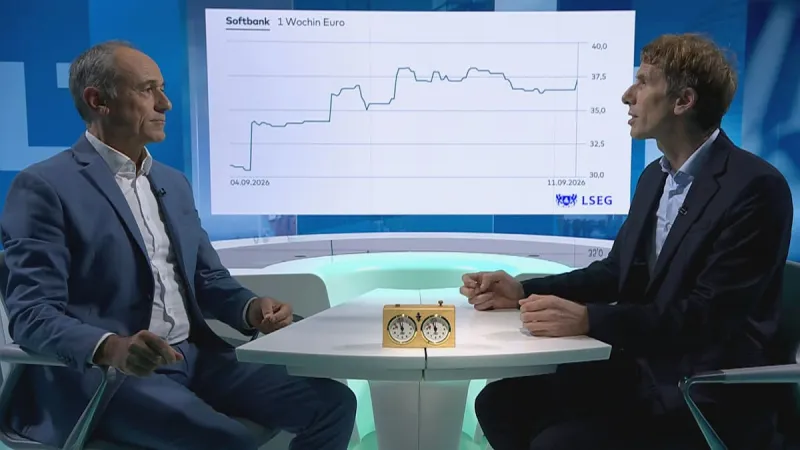
According to financial commentators Deffner and Zschäpitz, "That bond yields are rising to these crisis levels, that is an alarm signal." Their assessment underscores the severity of the current market dynamic, suggesting a fundamental shift in investor sentiment and economic outlook.
Simultaneously, the relentless climb in energy prices continues to exert inflationary pressure across global economies. Elevated oil and gas costs erode corporate profits, squeeze consumer purchasing power, and contribute to a broader cost-of-living crisis. These higher input costs are difficult for businesses to absorb without passing them on, further fueling inflation.
Geopolitical tensions, spanning various regions, exacerbate this economic uncertainty. Supply chain disruptions, trade anxieties, and the specter of regional conflicts introduce an unpredictable element into market forecasts. Such instability often leads to safe-haven flows, but the current environment sees even traditional safe assets under pressure.
Central banks globally have responded to persistent inflation by implementing aggressive interest rate hikes. While intended to cool economies and bring inflation under control, these policies also increase the cost of capital for businesses and consumers, potentially stifling economic growth and increasing the risk of recession. The tightening monetary policy directly impacts company valuations.
The combined weight of these factors has placed significant strain on equity markets. Volatility has become the norm, with major indices experiencing considerable swings. Sectors sensitive to consumer spending and interest rates, such as technology and real estate, have been particularly vulnerable to downturns.
Investors are recalibrating their portfolios, seeking defensive assets and reevaluating growth projections. The traditional playbook for navigating market downturns is being challenged by the unique combination of inflation, high interest rates, and geopolitical risk, which collectively complicate asset allocation decisions.
In this turbulent landscape, identifying market winners and losers becomes paramount. Companies with strong balance sheets, pricing power, and essential services may prove more resilient. Conversely, highly leveraged firms or those reliant on discretionary consumer spending face amplified headwinds.
Energy companies, paradoxically, have seen some benefit from the elevated commodity prices, though this is often balanced by broader market sentiment. Certain industrial sectors focused on infrastructure or defense might also demonstrate relative strength amidst geopolitical shifts and government spending priorities.
While bond yields generally rise, there are nuances within the fixed income market. Shorter-term bonds have often seen sharper yield increases due to direct central bank policy, while longer-term yields reflect broader inflation expectations and economic growth prospects. The inversion of yield curves, when short-term yields surpass long-term yields, frequently signals impending economic contractions.
The ongoing struggle of central banks to tame inflation without triggering a severe recession remains a central concern. Their forward guidance and policy decisions are meticulously scrutinized by markets, with every pronouncement capable of sending ripples through global financial instruments. The balance between combating inflation and supporting growth is increasingly delicate.
The outlook for global financial markets remains uncertain as these powerful forces continue to interact. Analysts suggest that a sustained period of volatility is likely until there is clearer evidence of inflation moderating or a resolution to significant geopolitical flashpoints. Investors are advised to exercise caution and maintain diversified portfolios.
Despite the challenges, some economists point to underlying resilience in parts of the global economy, particularly robust labor markets in certain developed nations. However, this resilience is often viewed through the lens of potential overheating, prompting further hawkish stances from monetary authorities.
Effective risk management strategies, including hedging against currency fluctuations and commodity price spikes, are becoming increasingly vital for institutional and individual investors alike. The current environment demands proactive, rather than reactive, approaches to portfolio protection.