 Chandra Wijayanto
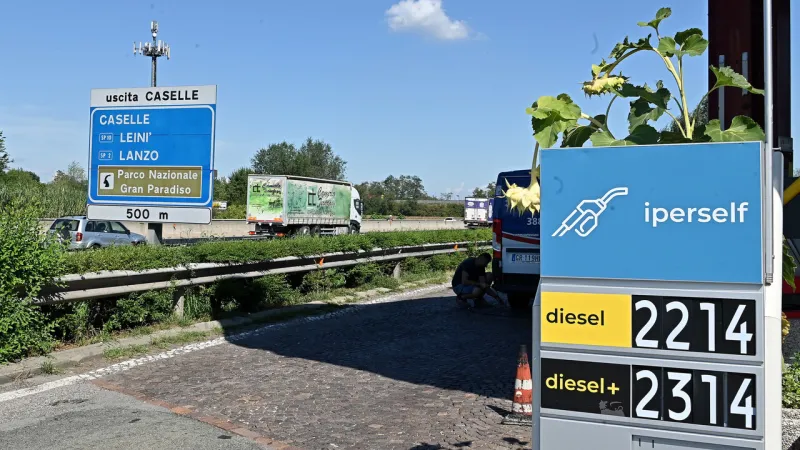
GLOBAL ENERGY MARKETS WITNESSED A SIGNIFICANT SURGE IN OIL AND GAS PRICES TODAY FOLLOWING AN UNEXPECTED HALT IN OPERATIONS ALONG A CRITICAL SAUDI ARABIAN PIPELINE, DRIVING WEST TEXAS INTERMEDIATE (WTI) CRUDE FUTURES PAST THE PSYCHOLOGICAL $100 PER BARREL THRESHOLD TO TRADE AT $102.73. The sudden disruption immediately triggered volatility across commodities trading floors, with market participants scrambling to assess the potential duration and broader implications of the supply interruption.
The price rally extended beyond WTI, with global benchmark Brent crude also experiencing substantial gains, although specific figures were not immediately available. This sharp upward trajectory underscores the inherent sensitivity of the global energy landscape to any perceived or real threat to supply, particularly from a major producer like Saudi Arabia.
Analysts are closely monitoring the situation, as the precise cause of the pipeline stoppage remains undisclosed. Initial speculation centers on either technical malfunctions or maintenance issues, but the lack of official communication from Saudi authorities has fueled uncertainty, contributing to the aggressive buying spree observed in early trading hours.
The immediate economic fallout presents a fresh challenge for governments and central banks grappling with persistent inflationary pressures. Elevated oil prices translate directly into higher costs for transportation, manufacturing, and consumer goods, potentially dampening economic growth projections worldwide.
This latest price spike recalls previous instances where geopolitical events or supply chain bottlenecks sent crude benchmarks soaring. In 2022, for example, global events propelled oil well above $100 per barrel, triggering a cascade of economic repercussions that impacted everything from household budgets to international trade balances.
For nations heavily reliant on imported petroleum, the immediate concern shifts to energy security and maintaining stable supply lines. Strategic petroleum reserves may come under review as governments consider measures to mitigate the economic shock and protect their citizens from rapidly escalating fuel costs.
Industry experts warn that a prolonged disruption could have far-reaching effects, potentially altering shipping routes, influencing investment decisions in alternative energy sources, and prompting a reassessment of global supply chain resilience. The sheer volume of oil moved through Saudi infrastructure means any hitch resonates globally.
The situation also puts renewed focus on the delicate balance between supply and demand in a world still largely powered by fossil fuels. Despite ongoing transitions towards renewable energy, conventional oil and gas continue to form the backbone of industrial and consumer economies, making their pricing dynamics critically important.
Observers suggest this event could complicate efforts by various nations to manage their national debts amidst rising interest rates. Just recently, officials like Giorgetti stressed Italy's commitment to debt control, a task made more arduous by unexpected spikes in commodity prices. Giorgetti Stresses Italy Debt Control Amid Rising Interest Rates.
Looking ahead, market participants will be keenly awaiting updates from Saudi Arabia regarding the pipeline's status and a timeline for its resumption. The trajectory of global crude prices in the coming days and weeks will largely depend on the clarity and speed of communication, as well as the underlying reason for the halt.
The ripple effect is anticipated to extend to ancillary sectors, including aviation and petrochemicals, where fuel and raw material costs represent significant operational expenditures. Airlines, already navigating post-pandemic recovery and labor shortages, may face renewed pressure to adjust fares or operational strategies.
This event serves as a stark reminder of the interconnectedness of global energy systems and the profound influence of even localized disruptions. It reinforces the argument for diversified energy portfolios and robust contingency planning to safeguard economies against such unpredictable market shocks.