 Edward DP Situmorang
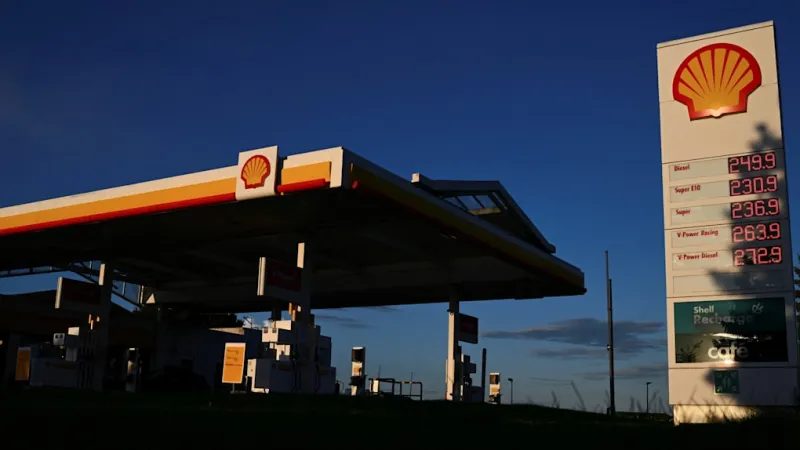
BERLIN – Germany's diesel fuel prices have surged to an unprecedented high, shattering previous records and imposing significant new financial burdens on motorists and the nation's economy. The average cost per liter of diesel across the country recently reached 2.453 euros, surpassing the former peak observed in April. Concurrently, Super E10 gasoline has also consistently registered record-level prices for several consecutive days, amplifying concerns about escalating transportation costs nationwide.
This sharp increase reverberates through all facets of German life, from daily commutes to commercial logistics. Businesses reliant on transportation, such as haulage companies, agricultural enterprises, and delivery services, face burgeoning operational expenses that threaten profit margins and could inevitably lead to higher consumer prices for goods and services.
The current record eclipses the previous high set earlier this year, signaling a persistent upward trend in fuel costs rather than a transient spike. Analysts note that while energy prices have remained volatile globally, Germany's particular reliance on imported fossil fuels makes it especially susceptible to international market fluctuations.
Experts attribute the relentless rise in diesel prices to a confluence of factors, including robust global demand, constrained supply chains, and ongoing geopolitical tensions that impact crude oil markets. Additionally, domestic taxation and carbon pricing mechanisms contribute to the final pump price, adding another layer of complexity for consumers.
The escalating fuel costs feed directly into Germany's broader inflation challenge, eroding household purchasing power and placing additional strain on economic recovery efforts. Economists warn that sustained high energy prices could stifle consumer spending and investment, potentially dampening economic growth prospects for the coming year.
Against this backdrop, political discussions around relief measures have gained urgency. The German Left Party, for instance, has explicitly called for a €470 relief package for citizens and proposed implementing a windfall tax on oil companies, aiming to mitigate the impact on vulnerable households. This initiative underscores the growing political pressure to address the cost-of-living crisis. German Left Party Demands €470 Relief, Eyes Oil Windfall Tax.
Public discontent is palpable, with many Germans expressing frustration over the relentless ascent of fuel prices. Surveys indicate a growing apprehension among commuters and families regarding their ability to manage essential expenses, prompting calls for more decisive government intervention beyond existing aid packages.
Energy market analysts predict continued volatility in the short to medium term. The interplay of OPEC+ production decisions, the ongoing conflict in Eastern Europe, and the pace of global economic recovery will likely dictate the trajectory of diesel prices in the months ahead. A significant downward correction appears unlikely without substantial shifts in these fundamental drivers.
The logistics sector, a backbone of the German economy, is particularly hard hit. Freight companies are forced to either absorb the increased costs or pass them on to clients, which then trickles down to consumers. Similarly, agricultural operations face higher expenses for machinery and transportation, affecting food production costs.
Germany is not alone in grappling with elevated fuel costs, as many European nations confront similar pressures. However, its position as a major industrial hub means that high energy prices can have a disproportionate effect on its competitiveness within the European single market and globally.
Discussions within the Bundestag and among various political factions increasingly center on long-term energy strategies. Debates range from accelerating renewable energy adoption to reconsidering national fuel tax policies, all aimed at fostering greater energy independence and price stability.
While the immediate focus remains on alleviating current financial strain, the record diesel price Germany is experiencing serves as a stark reminder of the urgency to transition away from fossil fuels. This impetus could accelerate investments in electric vehicle infrastructure and alternative transportation solutions, though such changes require significant time and capital.
The current fuel price surge risks embedding inflation deeper into the German economy. As transport costs increase, so do the prices of virtually all goods, from food to electronics, potentially triggering a wage-price spiral that central banks would struggle to contain.
Veterans of the energy industry draw parallels to past oil shocks, though the current scenario features a unique blend of post-pandemic recovery demand, supply chain disruptions, and geopolitical instability. The sustained nature of the high prices sets this period apart from more transient market anomalies.
Small and medium-sized enterprises (SMEs), often operating on tighter margins than larger corporations, feel the pinch most acutely. Many small businesses are finding it increasingly difficult to absorb the additional fuel expenses, leading to concerns about solvency and potential job losses in the transport-intensive sectors.
In response to the exorbitant costs, some consumers are already altering their behavior, opting for public transportation, carpooling, or reducing non-essential travel. This shift, while environmentally beneficial, also signals a reduction in discretionary spending, which can further impact retail and service industries.
Beyond fundamental supply and demand, the role of speculation in energy markets also draws scrutiny. Critics argue that financial speculation exacerbates price volatility, pushing costs higher than justified by physical market conditions.
Given the global nature of energy markets, some policy makers advocate for enhanced international cooperation to stabilize prices and ensure reliable supply. This includes dialogues among major oil-producing and consuming nations to find common ground and prevent extreme market swings.
Ultimately, the record diesel prices underscore Germany's ongoing challenge to bolster its long-term energy security. Diversifying energy sources and reducing reliance on fossil fuels remain paramount goals for the federal government, even as it navigates immediate economic pressures.
The persistent elevation of fuel costs presents a multifaceted challenge for Germany, demanding immediate relief measures alongside strategic long-term investments to safeguard its economic stability and ensure a sustainable energy future.