 Chris Robert

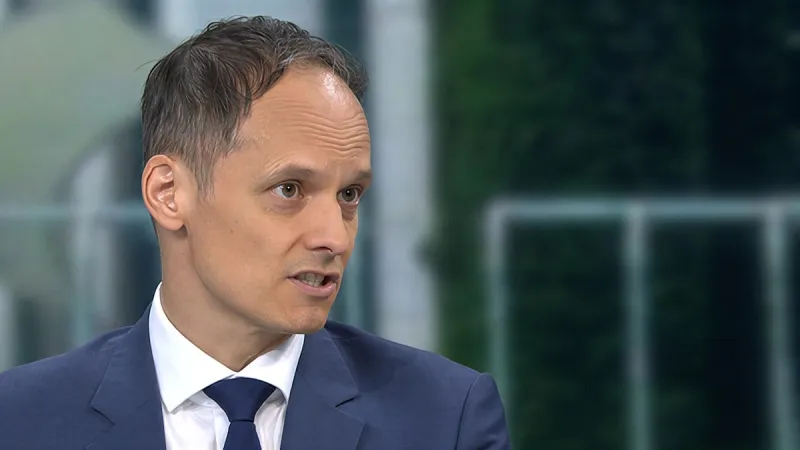
BERLIN – Germany is forfeiting significant economic potential and jeopardizing the stability of its pension system due to the pervasive high rate of women engaged in part-time work, according to stark analysis from prominent economist Marcel Fratzscher. This underutilization of a crucial segment of the workforce represents a considerable drag on national prosperity, a challenge policymakers are increasingly pressed to address in 2026.
Fratzscher, who heads the German Institute for Economic Research (DIW), asserts that the nation could unlock billions in economic output if it managed to better integrate women into full-time employment. His recent remarks highlight a long-standing structural issue within the German labor market, emphasizing the economic costs associated with current employment patterns.
The economist did not provide a precise monetary figure for the exact losses but stressed that "society gives up a lot of prosperity." This suggests a substantial, unquantified loss, impacting various sectors and overall national competitiveness. The foregone contributions range from direct tax revenues to broader innovation and productivity gains.
Beyond direct economic output, Fratzscher underscored the critical role a higher female employment rate could play in buttressing Germany's aging pension system. An increased number of full-time contributors translates directly into stronger social security funds, an imperative given demographic shifts and an expanding retiree population.
Germany traditionally has one of the highest rates of women working part-time among developed economies. This trend is often attributed to a combination of cultural norms, family policies, and the availability of childcare infrastructure, which frequently compels women to reduce working hours after childbirth or to care for dependents.
While many women express satisfaction with their part-time arrangements, research indicates a significant portion would prefer to work more hours if compatible childcare or flexible full-time options were more readily available. The current structure often presents a dilemma, forcing women to choose between career progression and family responsibilities.
The prevalence of part-time roles, particularly those below an individual's full skill potential, also leads to a substantial brain drain within the economy. Highly educated and experienced women often find their career trajectories stalled or diverted, preventing them from reaching leadership positions or contributing to innovation at their full capacity.
The German government has acknowledged these disparities, with various initiatives aimed at improving childcare access and promoting greater work-life balance. However, critics argue that these measures have not yet yielded the transformative impact necessary to significantly alter the landscape of women's employment.
Compared to other European nations with similar social welfare systems, Germany lags in female full-time employment rates. Countries like Sweden and Denmark, often cited for their robust social support and gender equality policies, exhibit higher rates of women in full-time professional roles, leading to stronger economic indicators.
Fratzscher's argument extends beyond mere labor hours. Increased female participation in full-time work would generate a powerful multiplier effect, boosting consumption, fostering entrepreneurship, and expanding the tax base. These benefits would ripple through the entire economic fabric, strengthening long-term growth prospects.
Experts suggest that a comprehensive approach is required to tackle the root causes of the high part-time quota. This includes not only expanding and professionalizing childcare options but also fostering a cultural shift within workplaces that prioritizes gender equality, flexible working models, and equitable career development opportunities for all employees.
As Germany grapples with demographic challenges and the need to maintain its competitive edge in the global economy, maximizing its human capital becomes paramount. The integration of women more fully into the labor force stands out as one of the most significant untapped reservoirs of potential.
The imperative for Germany to address its women's part-time work dilemma is clear. The economic and social benefits of a more equitable and fully utilized workforce are too substantial to ignore, posing a fundamental question for the nation's future prosperity and social stability.