 Dorry Archiles
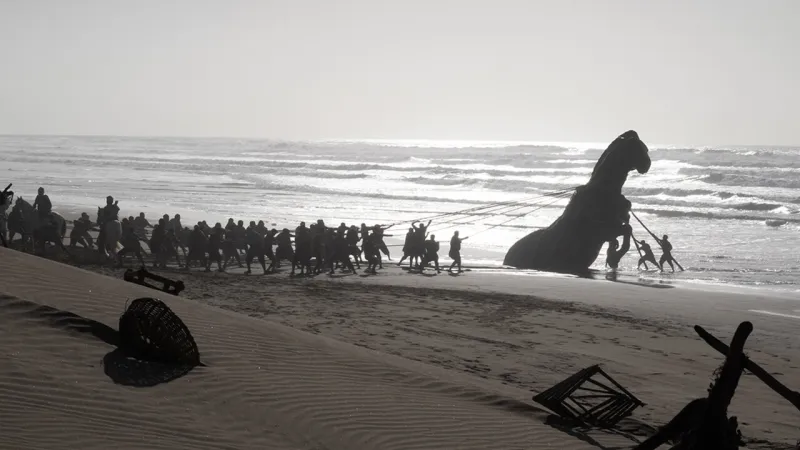
A recent cinematic release from acclaimed director Christopher Nolan has unexpectedly rekindled global fascination with Homer's ancient Greek epics, the Iliad and the Odyssey. This modern cultural phenomenon is not only drawing a new generation to these foundational texts but also highlighting widespread misconceptions about the legendary poet and his works, according to classical scholars.
The so-called Odyssey Effect, propelled by the films broad reach, demonstrates the enduring power of ancient narratives when recontextualized for contemporary audiences. While the specific Nolan film is not directly an adaptation of Homer, its thematic resonance and grand scale appear to have inspired a renewed intellectual curiosity in the sources of epic storytelling.
For centuries, Homer has stood as a towering figure in Western literature, his poems shaping understanding of heroism, destiny, and the human condition. Yet, the popular perception of Homer and the events described in his works often diverges significantly from scholarly consensus, creating a rich ground for educational clarification.
One of the most persistent misconceptions centers on Homer himself. Many readers envision a singular, blind poet named Homer, faithfully dictating his tales. However, classical scholarship largely views Homer as a traditional name for the author or authors of the Iliad and the Odyssey, acknowledging that these monumental works likely evolved over generations through oral tradition before being transcribed.
The idea of a single, definitive Homer is more of a poetic convention than a historical certainty. Research into the linguistic and thematic variations within the poems suggests a complex compositional history, perhaps involving multiple bards or schools of poetry contributing to their ultimate form.
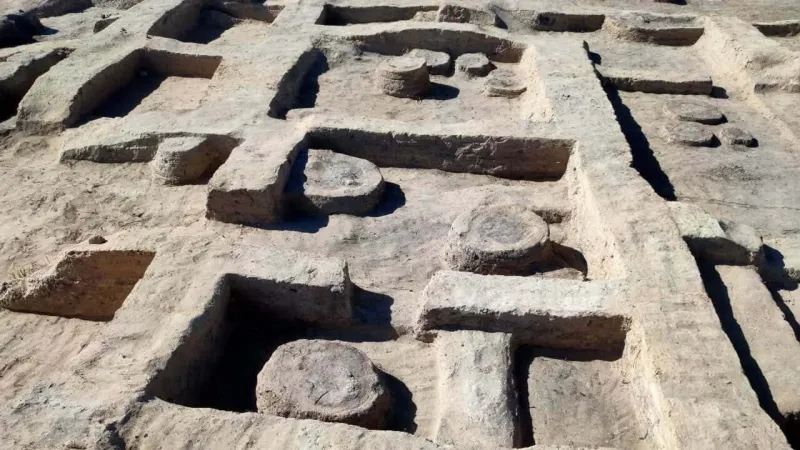
Another prevalent error involves the historical accuracy of the events depicted, particularly the Trojan War. While archaeological excavations at sites like Hisarlik in modern-day Turkey have uncovered evidence of ancient settlements and conflicts, suggesting a historical kernel for the Trojan War, the epics are primarily literary creations, not historical chronicles.
Scholars emphasize that the Iliad and the Odyssey embellish historical events with mythological elements, divine intervention, and character motivations that serve the narrative and thematic purposes of the poems. Treating them as straightforward historical accounts can lead to a misunderstanding of their true artistic and cultural value.
The cinematic interpretation, while powerful, also carries the risk of further entrenching simplified views if not accompanied by critical engagement. Films, by their nature, distill complex narratives and historical contexts into digestible visual forms, sometimes at the expense of nuance and scholarly precision.
This resurgence of interest presents a unique opportunity for educators and classicists to engage the public, addressing these common fallacies and offering a richer, more accurate understanding of Homer and the classical world. It underscores the critical distinction between popular culture's portrayal and rigorous academic inquiry.
Ultimately, the enduring appeal of Homer's epics, whether through direct reading or the indirect influence of modern media, reaffirms their timeless relevance. The current cinematic catalyst proves that even after millennia, the myths and legends of ancient Greece continue to captivate and challenge new generations, prompting a deeper exploration of our shared human heritage.