 Debby Wijaya
WASHINGTON — The Supreme Court today delivered a monumental ruling that significantly curtails the enforcement power of the Voting Rights Act of 1965, prompting immediate and furious condemnation from leading Democrats who labeled the decision a "devastating blow" to election integrity and minority representation across the nation.
The 6-3 conservative majority opinion, issued Monday, restricts the ability of federal courts to intervene in state-level voting disputes, particularly those challenging redistricting maps or voting procedures alleged to be racially discriminatory. The ruling, *Davenport v. FEC*, reverses decades of precedent that granted a broad interpretation to Section 2 of the landmark civil rights legislation.
Senator Eleanor Vance of California, a vocal proponent of expanded voting access, expressed profound disappointment. "This decision does not just chip away at the Voting Rights Act; it takes a sledgehammer to its very foundation," Vance stated in an emotional press conference on Capitol Hill. "For generations, this act stood as a bulwark against systemic discrimination. Today, the Supreme Court has chosen to dismantle that protection."
House Minority Leader Marcus Thorne echoed Vance's sentiments, emphasizing the immediate implications for the upcoming 2026 midterm elections. "With this ruling, Republican-controlled state legislatures will feel emboldened to enact even more restrictive voting laws, secure in the knowledge that federal oversight has been severely hobbled," Thorne warned. "The very fabric of our democracy is at stake."
The ruling marks the culmination of a series of judicial challenges against the Voting Rights Act, which saw its preclearance provision (Section 5) invalidated in 2013 by *Shelby County v. Holder*. Today's decision focuses on Section 2, which prohibits voting practices or procedures that discriminate on the basis of race, color, or membership in a language minority group.
Legal scholars on both sides of the aisle acknowledged the ruling's profound impact. Professor Anya Sharma of Georgetown Law described it as a "seismic shift" in election law. "The Court has effectively raised the bar for proving racial discrimination in voting, making it significantly harder for plaintiffs to win challenges against potentially discriminatory practices," Sharma explained.
Justice Samuel Alito, writing for the majority, asserted that the decision was necessary to prevent federal overreach into state sovereignty regarding election administration. The majority opinion argued that the Voting Rights Act was never intended to be a perpetual mandate for federal courts to micro-manage state election processes, particularly when the nation has made significant progress in civil rights.
However, dissenting justices vehemently disagreed. Justice Sonia Sotomayor wrote in a scathing dissent that the majority had chosen to "further weaken an already vulnerable pillar of our democracy," warning that the decision would disproportionately affect minority voters and disenfranchise communities that have historically faced barriers to the ballot box.
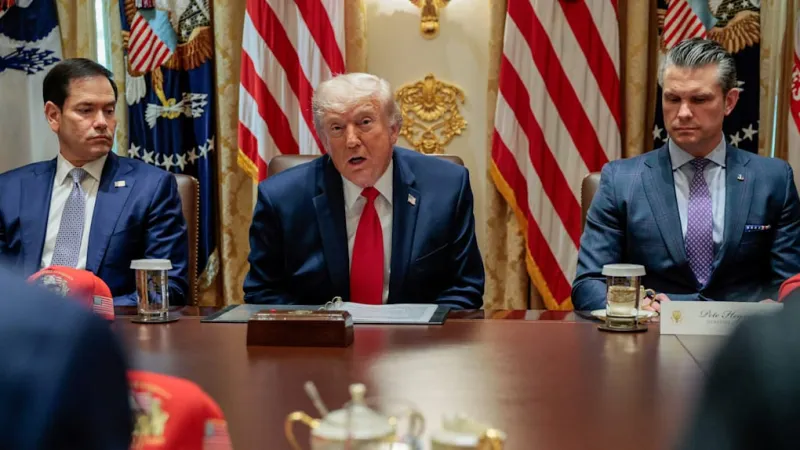
The White House, while not directly commenting on the specifics of the ruling, issued a statement reiterating President Donald Trump's long-held stance on states' rights regarding election processes. "President Trump believes strongly in empowering states to manage their own elections, free from undue federal interference," press secretary Sarah Sanders-Caldwell said, without directly endorsing the Court's outcome.
Democratic strategists are now scrambling to assess the ruling's full ramifications and explore potential avenues for legislative redress. "We are exploring every option, from new federal legislation to robust grassroots organizing, to ensure that every eligible American can cast their ballot without impediment," Senator Vance affirmed, though the path for new federal voting rights legislation faces significant hurdles in a divided Congress.
Civil rights organizations, including the NAACP Legal Defense and Educational Fund, have pledged to continue their fight through remaining legal channels and public advocacy. Sherrilyn Ifill, President of the LDF, condemned the ruling as a "betrayal of justice" and vowed to "mobilize every resource to protect the sacred right to vote for all Americans."
This decision is anticipated to energize both political parties, setting the stage for intense legal and political battles leading up to the 2026 midterms and the 2028 presidential election. The landscape of American voting rights has irrevocably shifted, with significant implications for future electoral outcomes and the balance of power.