 Chris Robert
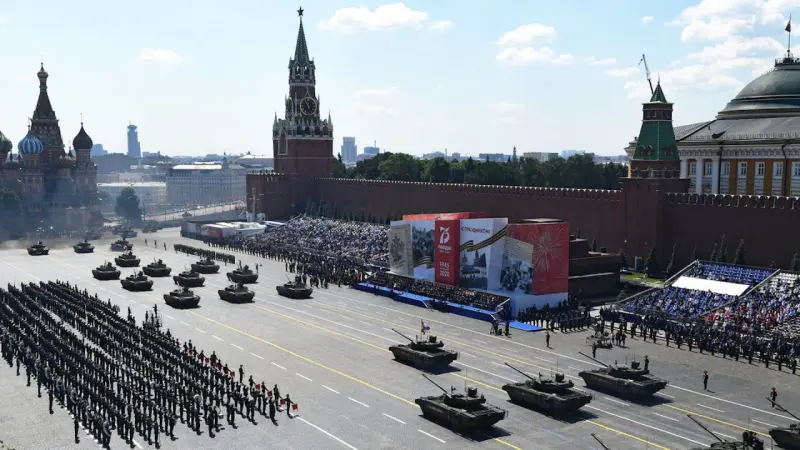
MOSCOW — Russia observed its annual Victory Day on May 9, 2026, with a significantly downsized military parade on Red Square, a stark departure from the grandiose displays of previous years. The scaled-back event, overseen by President Vladimir Putin, featured fewer troops and considerably less heavy weaponry, indicating ongoing economic pressures and a recalibrated national strategy amidst persistent global tensions.
The pared-down celebration saw a notable absence of an aerial flyover, traditionally a highlight of the commemorations. Ground forces paraded with a reduced complement of armored vehicles and intercontinental ballistic missile launchers, conveying a message of solemnity rather than overwhelming might to both domestic and international observers.
This year’s parade offered a visible symbol of Russia's strategic adjustments in the face of sustained international sanctions and resource allocation challenges stemming from protracted military engagements. The shift marks a significant divergence from the lavish displays that once underscored Moscow's ambition to project formidable military prowess.
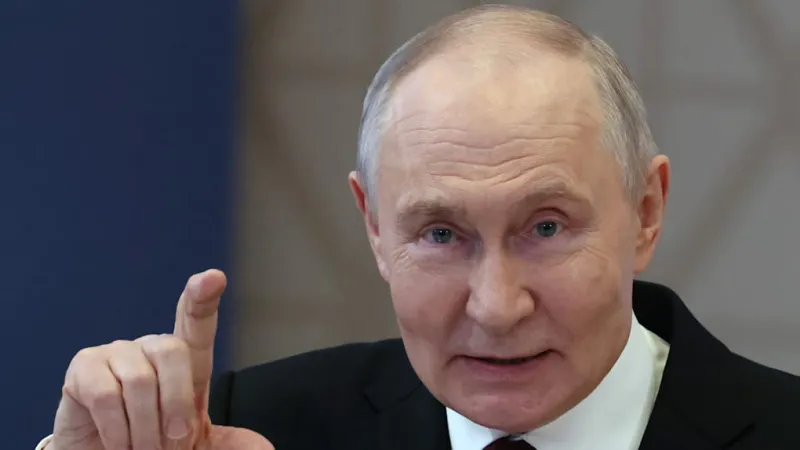
President Putin addressed the assembled troops and veterans, delivering a speech that emphasized national unity and resilience. He reiterated familiar themes of historical triumph and the necessity of safeguarding Russia's sovereignty against perceived external threats, though his tone was notably subdued compared to past triumphalist addresses.
Analysts worldwide interpreted the reduced spectacle as a pragmatic response to current geopolitical realities rather than a concession of weakness. The Kremlin appears to be prioritizing operational effectiveness and internal stability over ostentatious military demonstrations.
Foreign policy experts from various capitals noted the absence of key military hardware, suggesting that much of Russia's advanced equipment might be actively deployed or undergoing maintenance, underscoring the demanding operational tempo of the nation's armed forces.
The domestic reaction to the downsized parade was mixed. While state media framed it as a respectful and dignified tribute to war heroes, some citizens expressed disappointment, accustomed to the more elaborate military pageantry.
Victory Day, marking the Soviet Union's defeat of Nazi Germany in World War II, holds immense historical and emotional significance for Russia. It traditionally serves as a powerful reminder of national sacrifice and unwavering strength.
However, the 2026 rendition highlighted a nation grappling with the economic and diplomatic repercussions of its actions on the global stage. The choice to scale back such a symbolically important event suggests a strategic reevaluation of resources and public messaging.
International observers, including those from NATO countries, watched the Moscow proceedings closely. The subdued nature of the parade fueled further speculation regarding Russia's long-term military sustainability and its capacity to maintain its aggressive foreign policy posture.
The event unfolded without major incidents, maintaining a dignified air despite the noticeable reduction in scale. The focus remained on the historical memory of the war and the sacrifices made, albeit through a more austere contemporary lens.
This year's commemoration likely sets a precedent for how Russia will balance its deep historical reverence for Victory Day with the practicalities of its current global standing. The downsized parade represents a quiet but potent message about the evolving state of a major world power.