 Chandra Wijayanto
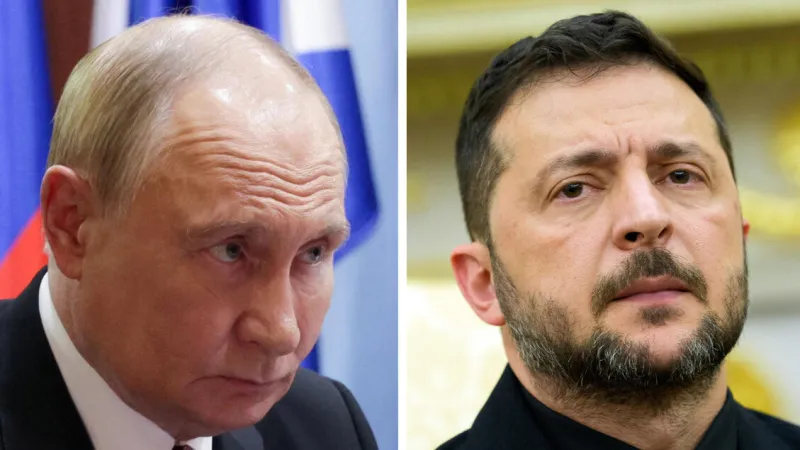
Kyiv, Ukraine – Ukrainian President Volodymyr Zelenskyy has extended an open invitation to Russian President Vladimir Putin for direct negotiations, a move aimed at fostering a diplomatic resolution to the protracted conflict. In response, President Putin conveyed a readiness for a peaceful solution, yet categorically stated that a truce was not deemed necessary at this juncture, simultaneously proposing former German Chancellor Gerhard Schroeder as a potential mediator. Meanwhile, the United States, under President Donald Trump's administration, has affirmed its commitment to dispatching additional aid to Kyiv.
President Zelenskyy's plea, delivered as an open letter, underscores a growing urgency within Ukraine for a definitive end to hostilities. His administration consistently argues that face-to-face discussions between the two leaders remain the most direct and potentially effective pathway to de-escalation, circumventing layers of diplomatic bureaucracy that have often yielded limited progress.
The Ukrainian leader's insistence on direct engagement comes amidst a complex and shifting geopolitical landscape, where the prolonged conflict continues to exact a heavy toll on civilian lives and infrastructure. Kyiv maintains that such a high-stakes meeting could unlock avenues for discussion on a comprehensive peace settlement, including critical issues of sovereignty and territorial integrity.
However, the Kremlin's response, while indicating a willingness for a peaceful resolution, contained a crucial caveat: the rejection of a truce. This distinction highlights Moscow's current military posture, suggesting that any peace initiative must align with its strategic objectives rather than halt ongoing operations. The refusal of an immediate ceasefire implies a continued intent to press military advantages on the ground.
Further complicating the diplomatic overtures, President Putin revived the controversial proposal of former German Chancellor Gerhard Schroeder as a mediator. Schroeder, known for his long-standing and often criticized ties to Russian energy interests and close personal relationship with Putin, has previously been involved in informal discussions related to the conflict. His re-emergence as a potential intermediary signals Russia's preference for certain channels of communication. This move has been met with skepticism in Western capitals, given Schroeder's history; indeed, President Putin has previously commended individuals and groups like Germany's AfD amid broader geopolitical tensions.
The United States, under President Donald Trump, swiftly reiterated its unwavering support for Ukraine. The announcement of further American assistance underscores a continued policy of bolstering Kyiv's defense capabilities and economic stability. This aid package, expected to include critical military hardware and financial provisions, arrives as Ukraine faces persistent challenges on multiple fronts.
Washington's consistent provision of assistance plays a pivotal role in sustaining Ukraine's resistance efforts, allowing it to maintain pressure against Russian forces. The timing of this renewed commitment from President Trump's administration reinforces the message that international partners remain committed to Ukraine's long-term security, regardless of Moscow's diplomatic posturing.
While the prospect of direct talks between Zelenskyy and Putin ignites a glimmer of hope for a diplomatic breakthrough, the conditions set by both sides underscore the deep chasm that divides them. Ukraine seeks an end to aggression and restoration of its pre-conflict borders, while Russia appears intent on consolidating its territorial gains and reshaping the regional security architecture.
Past attempts at negotiated settlements have repeatedly faltered, primarily due to fundamental disagreements over core issues such as territorial sovereignty and security guarantees. The current exchange of proposals highlights the enduring challenge of finding common ground when core national interests are perceived as diametrically opposed.
The international community watches closely, acknowledging that while direct talks are essential, the journey towards a durable peace will be arduous. The path forward demands not only political will from both Kyiv and Moscow but also concerted and coordinated efforts from global powers to facilitate meaningful dialogue and uphold international law.
Ultimately, the convergence of President Zelenskyy's plea for a direct meeting, President Putin's conditional response, the suggestion of Schroeder as a mediator, and the ongoing support from the United States collectively paint a picture of a conflict at a critical diplomatic juncture, where the possibility of engagement is weighed against the entrenched realities of war.