 Demian Sahputra
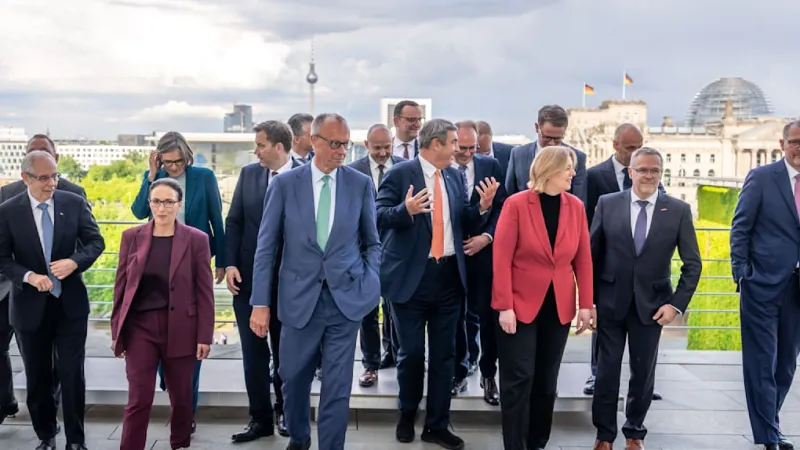
BERLIN – Germany's ruling Grand Coalition, comprised of the Christian Democratic Union/Christian Social Union (CDU/CSU) and the Social Democratic Party (SPD), has convened with leading business associations and trade unions at the Chancellery to tackle a comprehensive agenda of national reforms. The high-stakes discussions focus on critical overhauls of social security, labor market regulations, taxation frameworks, and initiatives for bureaucratic reduction, aiming to bolster the nation's economic resilience and future prosperity.
These discussions underscore a pivotal moment for German policy-makers as they navigate complex demographic shifts and evolving global economic pressures. The collaboration between government, employer representatives, and worker advocates signals a shared understanding of the urgent need for structural adjustments to maintain Germany's competitive edge and social cohesion.
Central to the dialogue is the future of Germany's social security system, a bedrock of its welfare state. Experts widely acknowledge the system faces considerable strain from an aging population and dwindling birth rates. These reform plans seek sustainable solutions, balancing generational equity with fiscal responsibility. The pressing nature of these challenges has been highlighted in reports such as Germany Confronts Pension Crisis: Record Retirees, Billions in Spending, detailing the billions in expenditures and increasing retiree numbers.
Parallel deliberations are taking place concerning the nation's labor market. Discussions aim to address the persistent skilled worker shortage, adapt to the demands of digitalization, and foster greater flexibility without eroding worker protections. Strategies include enhancing vocational training, incentivizing lifelong learning, and streamlining immigration processes for qualified professionals.
Taxation reform constitutes another vital pillar of the agenda. The coalition seeks to modernize the German tax code to foster investment, stimulate economic growth, and ensure fairness. This involves examining corporate tax rates to remain attractive for businesses, simplifying tax procedures, and potentially recalibrating income tax brackets to alleviate burdens on middle-income earners.
Significant attention is also being paid to reducing the pervasive bureaucratic hurdles that often impede innovation and efficiency. Both businesses and citizens frequently cite excessive red tape as a drag on productivity and an obstacle to entrepreneurial spirit. Proposed measures include digitalization of administrative processes and a critical review of existing regulations to identify areas for simplification.
The involvement of social partners—business federations and trade unions—is crucial for the legitimacy and ultimate success of these reform efforts. Their collective expertise and representation of employer and employee interests are indispensable for crafting policies that garner broad societal acceptance and deliver tangible benefits.
Analysts note that while the Grand Coalition has a history of navigating complex policy challenges, the scope and interconnectedness of these proposed reforms present a particularly demanding test. Achieving consensus across diverse political and economic interests will require astute leadership and a willingness for compromise from all parties.
The Chancellor's office serves as the locus for these intensive consultations, emphasizing the national priority assigned to this reform package. The current administration views these proactive measures as essential for securing Germany's long-term economic stability and its position as a leading industrial nation in a rapidly changing world.
Business leaders consistently advocate for a more agile regulatory environment and a competitive tax structure to encourage investment and job creation. They underscore the necessity of policies that support innovation and enable German companies to thrive globally.
Conversely, trade union representatives prioritize the safeguarding of worker rights, ensuring adequate social safety nets, and promoting fair wages. Their participation ensures that reform initiatives do not disproportionately affect vulnerable populations or compromise the principles of social justice.
The outcome of these deliberations holds significant implications for small and medium-sized enterprises (SMEs), which form the backbone of the German economy. Streamlined bureaucracy and a responsive labor market could greatly enhance their capacity for growth and competitiveness.
Forging a path forward will necessitate intricate political maneuvering within the Grand Coalition, balancing the distinct ideologies of the CDU/CSU, traditionally leaning towards fiscal conservatism and business interests, with the SPD's emphasis on social equity and worker welfare.
The timeline for implementing these German reform plans remains a key subject of the ongoing talks. While the urgency is palpable, the meticulous nature of German policy-making dictates thorough analysis and broad stakeholder engagement before final adoption and execution.
This comprehensive reform initiative reflects a broader European trend where nations grapple with similar challenges of demographic shifts, economic modernization, and bureaucratic inefficiency. Germany's approach may offer a blueprint for other industrialized economies facing analogous structural pressures.
Ultimately, the ability of Germany's leadership and its social partners to forge a durable consensus on these fundamental reforms will define the nation's economic trajectory for decades to come, ensuring both prosperity and equity for its citizens.