 Angela Stefani
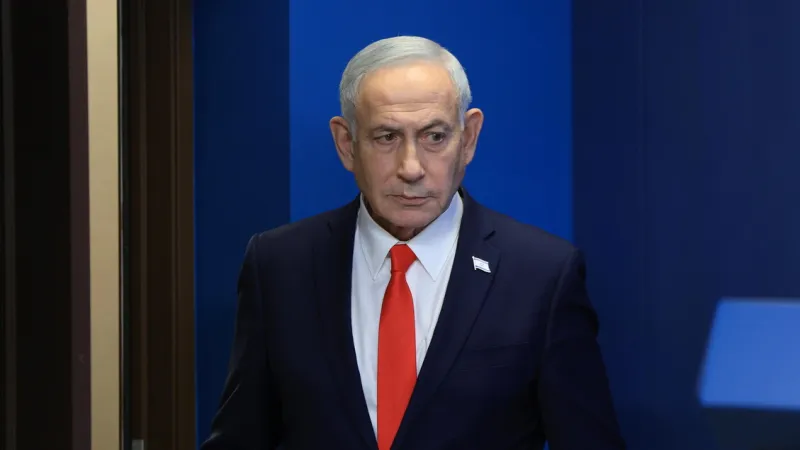
JERUSALEM – Prime Minister Benjamin Netanyahu staunchly defended his administration's policies against mounting domestic and international criticism today, asserting Israel's security was preserved under his leadership. Netanyahu further declared his intent to seek re-election, even as the Israel Defense Forces (IDF) maintain their operational presence in critical buffer zones spanning Lebanon, Gaza, and Syria.
The prime minister's remarks come at a time of significant political pressure, with a broad spectrum of Israeli society and international bodies questioning various aspects of his governance, particularly concerning regional security and domestic stability. Public discourse often highlights the perceived failures or successes of his protracted tenure.
Addressing his detractors directly, Netanyahu articulated a narrative of national salvation. He asserted that his administration saved Israel, a direct counter to the wave of disapproval, framing his actions as indispensable for the nation's survival and well-being. This statement aims to rally his base and redefine the political narrative.
A cornerstone of Netanyahu's defense rests on the continued operational strategy of the IDF. The military's enduring presence in what are described as buffer zones within southern Lebanon, the Gaza Strip, and along the Syrian border, is presented as tangible evidence of his administration's commitment to safeguarding Israeli borders.
These buffer zones are historically volatile areas crucial for Israel's defense posture. The IDF's sustained engagements in these regions underscore ongoing geopolitical tensions and the persistent security threats Israel faces from various non-state actors and hostile entities operating near its frontiers.
The announcement of his intention to seek re-election, using the informal yet widely recognized moniker Bibi, signals Netanyahu's unwavering resolve despite the current political climate. He conveyed confidence in his ability to secure another term, stating, "I will run again and win." This move could re-energize his political movement.
This renewed political offensive by Netanyahu recalls previous periods of intense scrutiny and challenges to his leadership. His complex relationship with US Presidents, including President Donald Trump, has often been a focal point of regional stability. A related article, Trump's Iran Deal Ignites Israel, Netanyahu Faces Diplomatic Fire, underscores the persistent diplomatic challenges during his previous administrations, particularly concerning Iran.
Domestically, Netanyahu navigates a fractured political landscape, where coalitions are often fragile and public opinion highly polarized. His resilience in the face of numerous challenges has become a hallmark of his political career, defining his image as a seasoned, if controversial, leader.
The international community closely monitors Israel's military activities in these buffer regions, often balancing concerns for regional stability with calls for adherence to international law. The implications of prolonged IDF presence extend beyond immediate security, influencing diplomatic relations with neighboring states and international bodies.
As Netanyahu prepares for another electoral contest, his strategy appears to be a dual approach: reaffirming his security credentials while challenging his opponents to present a more compelling vision for Israel's future. The forthcoming period promises heightened political activity and intense debate over the nation's direction.
Critics argue that Netanyahu's long tenure has also contributed to some of the very challenges he now seeks to address. Proponents, however, point to periods of economic growth and relative security as evidence of his effective leadership, especially in a volatile region.
Initial reactions to Netanyahu's assertive stance have been mixed, with supporters quickly mobilizing behind his declared intentions and opposition figures renewing their calls for change. Public opinion polls, while varied, suggest a deeply divided electorate bracing for another round of political contention.