 Edward DP Situmorang
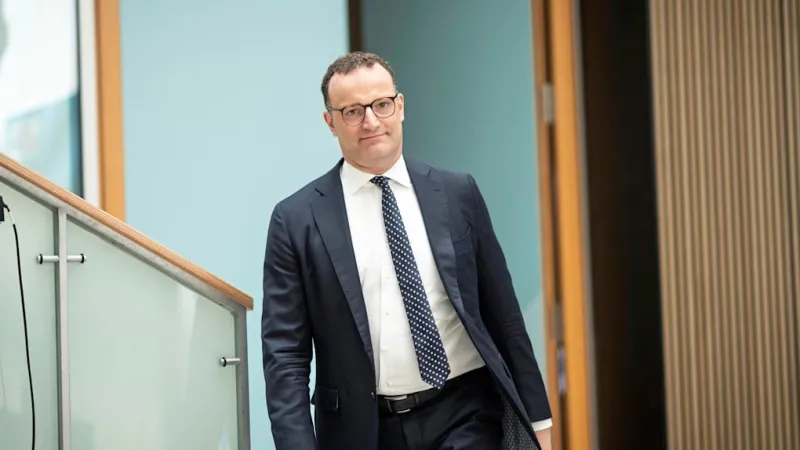
BERLIN – Chancellor Friedrich Merz and CSU-Chief Markus Söder are poised to unveil a resolution within days addressing the leadership vacuum in the German federal government, a situation that could precipitate a significant German cabinet reshuffle. This decisive move follows the recent resignation of the Union parliamentary group leader, igniting widespread speculation about the future composition of Germany's executive branch. The impending announcement signals a critical juncture for the nation's political landscape in 2026.
The departure of the prominent Union figure has left a noticeable void, creating immediate pressure on the governing coalition to restore stability and clarity. Political analysts suggest the speed with which Chancellor Merz and Mr. Söder have moved to address the issue underscores its perceived urgency.
Sources close to government circles indicate that a comprehensive adjustment of ministerial portfolios is now a distinct possibility. This potential cabinet restructuring goes beyond merely filling the vacated position, hinting at a broader realignment of responsibilities and perhaps even key personnel shifts within the federal administration.
Chancellor Merz, leading the national government, holds the ultimate authority in such decisions, while Mr. Söder, as head of the influential Bavarian Christian Social Union, remains a pivotal figure in coalition negotiations and broader conservative strategy. Their joint approach signifies a unified front in navigating this political challenge.
The resignation itself, though specific to a parliamentary group leadership, has reverberated through the entire political establishment. It has prompted introspection regarding leadership continuity and the internal dynamics of the Union bloc, which forms a significant pillar of the current government.
Rumors regarding potential new appointments or shifts within ministries have already begun to circulate throughout the capital. While no official confirmations have emerged, political pundits are actively discussing various prominent figures who might either ascend to new roles or see their current responsibilities altered.
Historically, moments of leadership transition or unforeseen resignations have often served as catalysts for broader governmental changes in Germany. Such periods can be opportunities to refresh policy agendas or reinforce political alliances.
The prospect of a German cabinet reshuffle comes at a time when the government is grappling with a myriad of domestic and international challenges. From economic uncertainties to ongoing geopolitical shifts, a stable and cohesive leadership team is paramount for effective governance.
The public and media are keenly observing the developments, awaiting the details of the impending solution. The outcome will undoubtedly be scrutinized for its implications on policy direction and the overall stability of the government until the next federal elections.
The joint announcement from Chancellor Merz and Mr. Söder, expected in the coming days, will provide the much-anticipated clarity regarding the path forward for the federal government. It is anticipated to outline not only the immediate remedy for the leadership vacuum but also potentially signal a renewed strategic direction.
Discussions surrounding such governmental adjustments often involve intricate negotiations, sometimes drawing comparisons to earlier political debates, such as those that surrounded Dobrindt's Spy Reform Sparks Alarm, Faces Green Party Resistance. These past instances highlight the complex interplay of power and policy within German parliamentary politics.
Beyond the immediate ministerial changes, the potential cabinet reshuffle could recalibrate the political balance within the coalition, impacting legislative priorities and the government's overall public image. A strong, unified front is often sought to project stability.
While the initial impetus stems from the Union bloc, any significant cabinet realignment would naturally involve intricate consultations with other coalition partners to ensure continued parliamentary support and governmental harmony.
Chancellor Merz's leadership in orchestrating this response will be a key test of his ability to maintain cohesion and project decisive governance. His capacity to manage internal party dynamics while steering national policy is under intense observation.
Mr. Söder's involvement underscores the continued influence of the CSU within the broader conservative alliance. His collaboration with the Chancellor is crucial for presenting a united front and solidifying consensus.