 Stefani Rindus
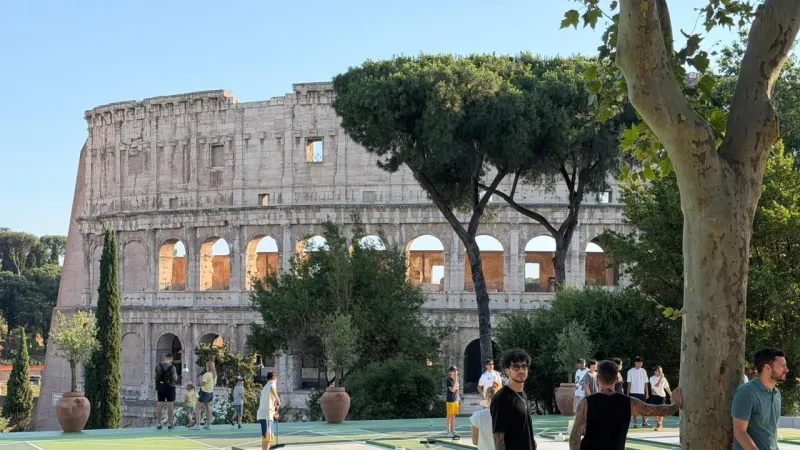
Rome has garnered international attention, notably from The New York Times, for its audacious initiative bringing the winter sport of curling to the shadow of the ancient Colosseum. This endeavor, championed by Sport e Salute, aims to defy the citys formidable summer heat and underscore the inclusivity of all athletic disciplines, as articulated by the organization's representatives.
The spectacle of ice sheets and sweeping brooms against the backdrop of one of the world's most recognizable historical monuments presented an arresting image, quickly circulating beyond Italian borders. The choice of curling, a sport typically associated with colder climates, served as both a practical solution to summer leisure and a symbolic gesture against the pervasive Roman afa, or oppressive heat.
Sport e Salute, the national public company dedicated to the development and promotion of sport in Italy, conceptualized and executed the innovative project. Its objective extended beyond mere recreation, aiming to foster an appreciation for diverse athletic pursuits. Nepi, a spokesperson for Sport e Salute, articulated, "For us, all disciplines are great," emphasizing the organization's commitment to broad sports inclusion.
The temporary curling rink was strategically erected in an accessible public space near the ancient amphitheater, drawing curious onlookers and enthusiastic participants alike. This unique placement amplified the event's appeal, transforming a standard sporting exhibition into a cultural phenomenon.
The New York Times coverage underscored the initiative's novelty and its broader cultural resonance, presenting Rome not just as a repository of ancient history but also as a city capable of modern, imaginative urban interventions. This international recognition has provided a significant boost to local sports promotion efforts.
Spectators witnessed demonstrations by experienced curlers, while novices had the opportunity to try their hand at sliding stones and sweeping the ice. The juxtaposition of the winter sport with Rome's sun-baked ruins created an unforgettable sensory experience, highlighting the city's capacity for unexpected events.
The initiative offered a tangible respite from the relentless summer heat, which frequently pushes temperatures to uncomfortable highs. Providing an unconventional, cool activity served as a welcome diversion for both residents and tourists seeking refuge from the afa.
This unconventional approach by Sport e Salute signals a proactive strategy to democratize sports participation. By introducing lesser-known sports in prominent locations, they aim to break down barriers and introduce new avenues for physical activity for people of all ages.
Rome, a city renowned for its historical layers and artistic heritage, periodically finds new ways to integrate contemporary life with its ancient past. This curling event represents another instance of the citys ongoing dialogue between tradition and innovation, engaging its populace in novel ways.
The success of the Colosseum curling initiative may pave the way for similar creative sports events in unexpected urban settings, not just in Rome but across Italy. It reinforces the idea that sport can thrive in any environment, challenging conventional perceptions of where and when certain activities can be enjoyed.
This embrace of diverse sports aligns with Italy's broader sporting achievements on the international stage. Italian athletes have consistently excelled, notably in swimming, where stars like Quadarella have claimed historic victories. For example, Quadarella claimed a historic fourth consecutive European 800m Freestyle gold, showcasing the nation's strong athletic prowess and dedication to various disciplines.
Ultimately, the curling spectacle by the Colosseum served as a powerful testament to the universal appeal of sport and the ingenuity of cities in adapting to environmental challenges while enriching public life and cultural experiences.