Gabriella
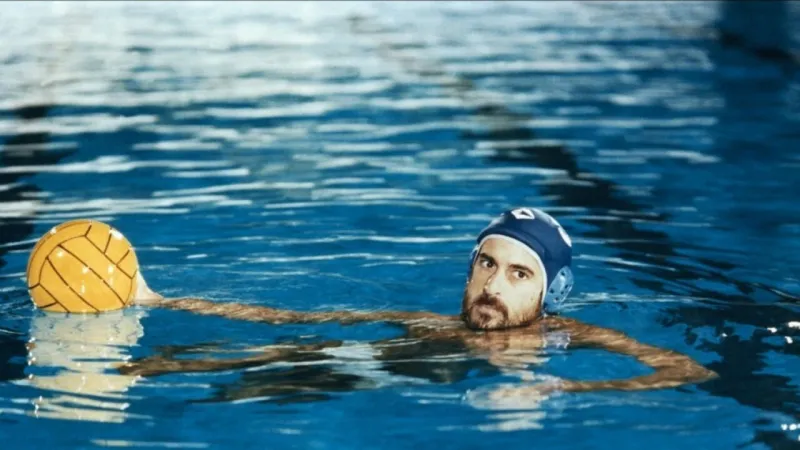
Italian filmmaker Nanni Moretti's 1989 film, Palombella Rossa, initially faced rejection from the main competition of the Venice Film Festival under then-director Guglielmo Biraghi, only to later ascend to cult classic status, a surprising backstory recently disclosed by film critic Francesco Sesti as Moretti again attends the Lido in 2026. This revelation re-contextualizes a key moment in Moretti's acclaimed career.
Moretti's current presence at the Lido, although his specific engagement has not been officially detailed, naturally invites retrospective examination of his influential filmography. His early works, including Palombella Rossa, frequently interweave social commentary with deeply personal narratives, cementing his reputation as a distinctive and profound voice in European cinema.
Francesco Sesti, a respected authority in Italian film criticism and history, brought this historical oversight to public attention. His detailed account illuminates the often unpredictable journey films undertake from their creation to critical acceptance, underscoring how initial institutional judgments do not always align with a work's eventual artistic merit or enduring cultural resonance.
The heart of Sesti's revelation concerns the film's 1989 submission to the esteemed Venice Film Festival. Guglielmo Biraghi, who served as the festival director during that period, reportedly deemed Palombella Rossa unsuitable for inclusion in the prestigious main competition. Such a significant decision from a major international festival can profoundly impact a film's initial visibility and its commercial viability.
Despite this considerable initial setback, Palombella Rossa secured a vital alternative platform. It was instead screened within the Settimana Internazionale della Critica (International Critics Week), often referred to as Sic. This independently organized, parallel section of the Venice Film Festival proved crucial in introducing the film to a receptive segment of critics and an early audience.
The film itself is a compelling and often surreal exploration of political disenchantment and personal identity, primarily revolving around a water polo player grappling with amnesia. Moretti, who also leads the cast, infuses the narrative with his characteristic blend of trenchant satire, profound introspection, and poignant social critique, eloquently mirroring Italy's political landscape at the close of the 1980s.
Over the decades following its release, Palombella Rossa progressively cultivated a devoted following, firmly establishing its place as a cult classic. Its distinctive narrative architecture, Moretti's captivating lead performance, and its incisive examination of the Italian Left resonated deeply with viewers and academics, who continue to reference its themes in contemporary discussions surrounding political legacy and societal change.
This particular trajectory, transitioning from a notable festival rejection to widespread cult adoration, although not entirely unique in cinematic history, critically highlights the subjective nature inherent in film selection processes. It also powerfully underscores the invaluable role of independent sections, such as the Sic, in championing cinematic works that might otherwise be inadvertently overlooked by more conventional festival committees.
Moretti's directorial career flourished significantly after Palombella Rossa, with subsequent films like Caro Diario and La Stanza del Figlio earning him prestigious international accolades, including the coveted Palme d'Or at the Cannes Film Festival. Nonetheless, Palombella Rossa endures as a seminal work for many, embodying a pivotal moment of artistic assertion and profound resilience against initial institutional skepticism.
The ongoing discourse surrounding films such as Palombella Rossa and their eventual, often belated, recognition significantly enriches the broader discussion concerning cinematic art and its lasting impact. As more luminaries grace the Lido, the evolving narrative of film evaluation continues to unfold, demonstrating that a film's true resonance frequently transcends its immediate reception. This perennial discussion reminds us of the diverse array of talent that has historically graced the festival, even as A-Listers Grace Lido Amidst Quieter Hollywood Presence in recent years.