 Dorry Archiles
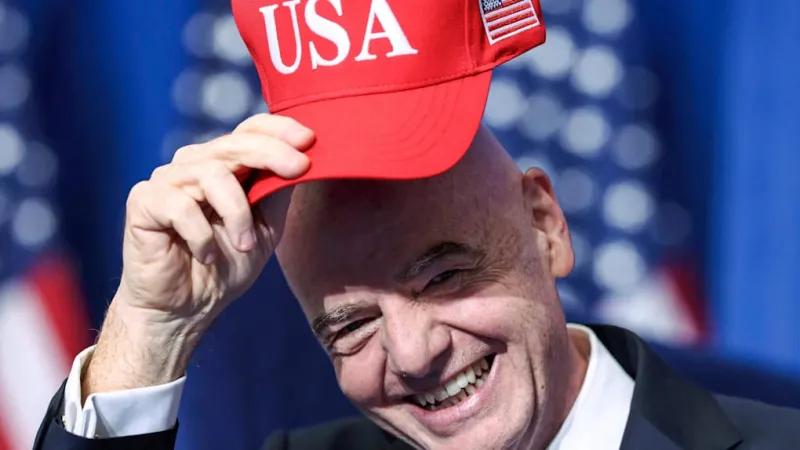
The integrity of global football faces an unprecedented challenge following recent allegations that President Donald Trump exerted influence over a decision regarding a US player's eligibility. This purported intervention, which sources suggest led to the lifting of a crucial player ban, has ignited a fervent debate across sporting federations and fan bases, casting a profound shadow over the perceived independence and credibility of FIFA, the world governing body for football.
Reports emanating from several European media outlets indicate that President Trump allegedly contacted senior FIFA officials to advocate for a specific American athlete whose participation in an upcoming tournament was in jeopardy. These claims, if substantiated, represent a significant breach of standard protocols designed to safeguard the sport from external political pressures.
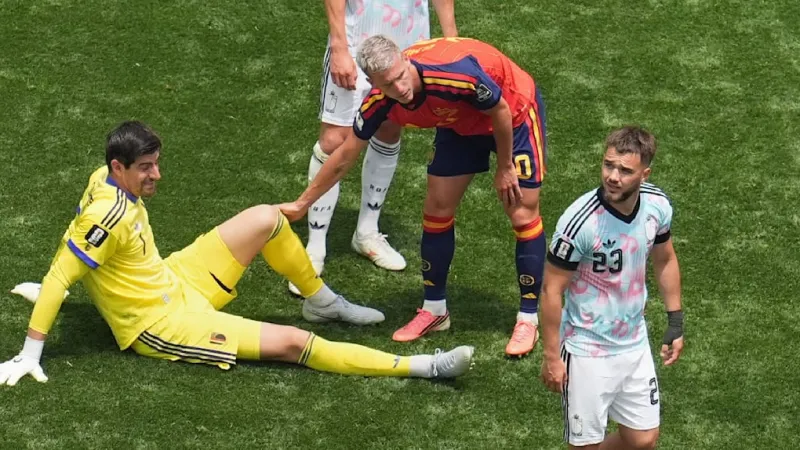
The player at the center of the controversy is widely understood to be Folarin Balogun, a prominent American forward whose initial appeal against a suspension was reportedly rejected by FIFA. However, subsequent developments saw that decision unexpectedly reversed, prompting immediate speculation and concern among football observers.
This alleged direct involvement by a head of state in a sporting disciplinary matter has triggered widespread alarm, particularly within European football circles. Critics argue that such interference undermines the fundamental principles of fair play and judicial independence that are paramount to the sport's global appeal and trust.
Several related articles from reputable news sources corroborate the growing unease. A piece titled "FIFA Credibility Crisis: Europe Must Challenge Infantino After Trump Intervention" highlighted the urgent need for UEFA and other continental confederations to address FIFA's governance directly. This underscores the serious nature of the situation and the perceived erosion of FIFA credibility.
Another report, "Balogun Decision Rocks FIFA Credibility, Sparks UEFA, Belgium Outcry," further detailed the international backlash. It specifically mentioned Belgiums challenge against a Balogun permit, implicitly linking it to broader concerns about FIFA's moral lapses.
Critics point to FIFAs historical struggles with transparency and ethical conduct as a precursor to the current predicament. The organization has faced numerous controversies over the past decades, leading to a persistent public perception of susceptibility to external pressures and influence peddling.
Observers believe the alleged intervention could set a dangerous precedent, potentially opening the door for other powerful political figures to attempt to sway sporting outcomes. This threat to impartiality is seen as particularly damaging for a sport that prides itself on meritocracy and fair competition.
President Trump has not publicly addressed the specifics of the alleged intervention concerning Balogun's ban, though he has previously commented on the player's situation. In an earlier statement, as reported in "FIFA Rejects Balogun Appeal; Trump Claims Foul Not There," President Trump questioned the foul leading to Balogun's initial suspension, implying it was baseless.
The controversy also raises questions about FIFA President Gianni Infantino's leadership. His tenure has seen efforts to reform the organizations image, but these recent allegations threaten to unravel much of that work, placing his credibility and the institutions integrity in jeopardy.
Football federations across Europe are reportedly considering their options, including potential calls for an independent investigation into the alleged interference. Such a probe would aim to ascertain the veracity of the claims and recommend measures to prevent similar incidents in the future.
Fans worldwide have expressed outrage on social media platforms, demanding accountability from FIFA and clarity on the matter. The sentiment generally reflects a deep-seated belief that the purity of the game must be protected from political machinations.
The ongoing World Cup, a pinnacle of global football, is proceeding amidst this swirling controversy, making the need for clear communication and decisive action from FIFA even more pressing. The focus should remain on the athletes and the competition, untainted by external pressures.
Sports ethicists warn that if such interventions become normalized, the fundamental trust between fans, players, and governing bodies will erode irrevocably. The outcome of games and tournaments could be perceived as manipulated, rather than purely decided on the field of play.
The repercussions extend beyond a single player or a single tournament. At stake is the very essence of football as a fair and globally unifying spectacle. Upholding the sanctity of the game is paramount for its continued relevance and popularity.
FIFA now faces a critical juncture. Its response to these allegations will define its commitment to ethical governance and its ability to safeguard the integrity of the sport it oversees. Silence or an insufficient response could have long-lasting, detrimental effects.
The international community watches closely, expecting transparency and a robust defense of the sport's independence from political influence. The future perception of football's fairness hangs in the balance.