 Debby Wijaya
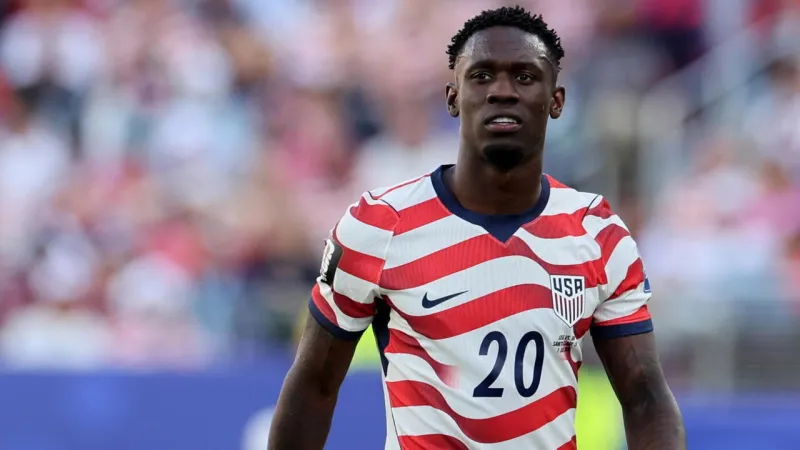
FIFA is embroiled in a significant controversy stemming from a contentious decision concerning player Folarin Balogun, igniting vehement opposition from prominent football bodies like UEFA and the Royal Belgian Football Association. The ruling, perceived by many observers as deeply flawed, has raised serious questions about the credibility of the ongoing World Cup tournament and the integrity of global football governance.
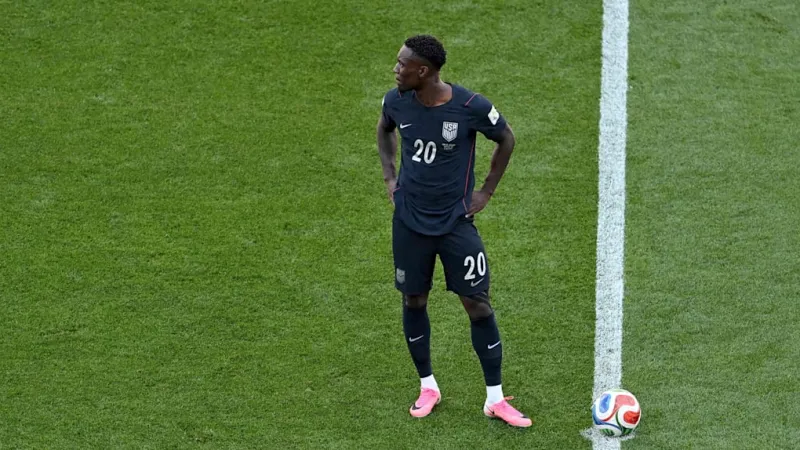
The dispute centers on a specific incident involving Balogun, reportedly an involuntary foul during a critical World Cup fixture. The initial disciplinary action, its subsequent handling, and FIFA's final verdict have drawn international scrutiny, creating a storm of protest across the football world.
Mauricio Pochettino, a respected figure in football management, publicly criticized the original expulsion, stating, "Expulsion was excessive for an involuntary foul." His comments underscore a widespread sentiment that the punishment did not align with the nature of the offense, prompting further debate.
UEFA, European football's governing body, has reportedly expressed its profound concerns directly to FIFA leadership. Sources indicate UEFA views the situation as a dangerous precedent that could fundamentally undermine fair play principles essential to the sport's competitive spirit.
The Royal Belgian Football Association has also joined the chorus of disapproval, signaling its solidarity with UEFA and emphasizing the urgent need for transparent and consistent application of football regulations. Their collective stance significantly amplifies the pressure on FIFA to reconsider or, at minimum, provide further clarification.
The prevailing sentiment among critics is that FIFA's handling of the Balogun case risks damaging the tournament's hard-earned reputation for impartiality and fairness. Concerns about inconsistent officiating and potential external influences loom large over the competition, overshadowing athletic achievements.
Adding a layer of unprecedented complexity, reports suggest that President Donald Trump's administration played an unexpected role in the developments surrounding the Balogun case. This alleged involvement has been cited by some as a potential factor in FIFA's controversial decision-making process, raising eyebrows globally.
The broader implications of this alleged influence are now being explored, with uncomfortable parallels drawn to previous discussions around political intervention in sports governance. For further context, refer to the ongoing discussions detailed in Trump Influence Rocks FIFA: Balogun Red Card Reversal Sparks Corruption Scandal.
Critics argue that any perception of political meddling in judicial football matters directly contravenes the principles of fair play and sporting autonomy that FIFA is mandated to uphold. Such perceived compromises erode public trust in the organization's impartiality and decision-making.
The football community, including fans and pundits across continents, has reacted strongly to the unfolding situation. Social media platforms and sports forums are abuzz with intense debates over the fairness of the decision and the long-term implications for the integrity of professional football.
While FIFA has yet to issue a comprehensive public statement directly addressing the specific accusations regarding external pressure, their internal communications have reportedly emphasized adherence to established protocols, despite the widespread dissent from member associations.
Analysts suggest that this controversy could lead to calls for greater independent oversight of FIFA's disciplinary processes, particularly in high-profile international tournaments like the World Cup, where stakes are highest and scrutiny intense.
The incident is expected to prompt rigorous discussions among international sports federations about safeguarding the autonomy of sporting decisions from external political or economic pressures, ensuring the sport remains free from undue influence.
Many fear that if such decisions are perceived to be influenced by non-sporting factors, it could establish a dangerous precedent for future tournaments, fundamentally undermining the competitive integrity and spirit of global football.
Amidst the administrative turmoil and political implications, the focus on Balogun's on-field performance has been tragically overshadowed. His role, however, remains central to the narrative, highlighting the profound player-centric impact of such high-level disputes.
Leading sports journalists and advocacy groups are vociferously demanding increased transparency from FIFA regarding the decision-making process in the Balogun case and any related incidents. They seek clarity and accountability from the world governing body.
The long-term impact on FIFA's global reputation and its relationship with key confederations like UEFA remains uncertain, but the current atmosphere is undeniably strained, signaling a period of significant challenge for the organization.
It is anticipated that UEFA and other concerned federations may pursue further avenues to address their grievances, possibly including formal appeals or proposals for regulatory reform within FIFA's existing governance structure.
The unified front presented by UEFA and Belgium indicates a growing dissatisfaction with FIFA's governance, signaling a potential shift in power dynamics within global football and a demand for more accountable leadership.
As the World Cup progresses, the Balogun case continues to cast a long shadow over the proceedings, challenging the fundamental principles of fair play and independent governance that are meant to underpin international football.