 Debby Wijaya
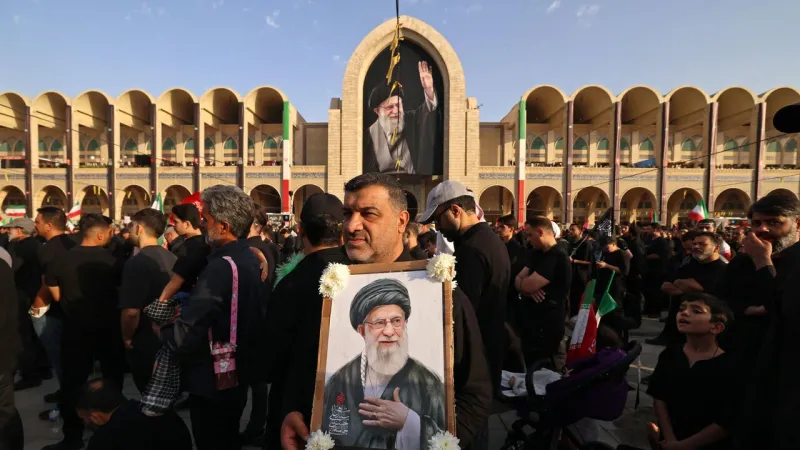
TEHRAN, Iran — Mojtaba, a son of Irans Supreme Leader Ayatollah Ali Khamenei, has issued provocative threats of vengeance, explicitly naming President Donald Trump, Italian Prime Minister Giorgia Meloni, and Israeli Prime Minister Benjamin Netanyahu as targets. This declaration emerges amid heightened geopolitical friction and ongoing diplomatic efforts to de-escalate tensions in the Middle East, underscored by a recent US assertion that Iran admitted a past error in striking ships in the Strait of Hormuz.
These threats, conveyed through official channels, signify a perilous escalation in Iran's posture towards key Western and regional adversaries. Mojtaba, widely perceived as a powerful figure within Iran's political and military establishment, often speaks with implicit authority, making his pronouncements particularly noteworthy.
The specific grounds for Mojtaba's vengeance vow remain officially vague, but observers suggest it relates to perceived slights against his father's legacy and the broader Iranian regime. The inclusion of President Trump, Prime Minister Meloni, and Prime Minister Netanyahu on this symbolic blacklist reflects the depth of animosity emanating from Tehran.
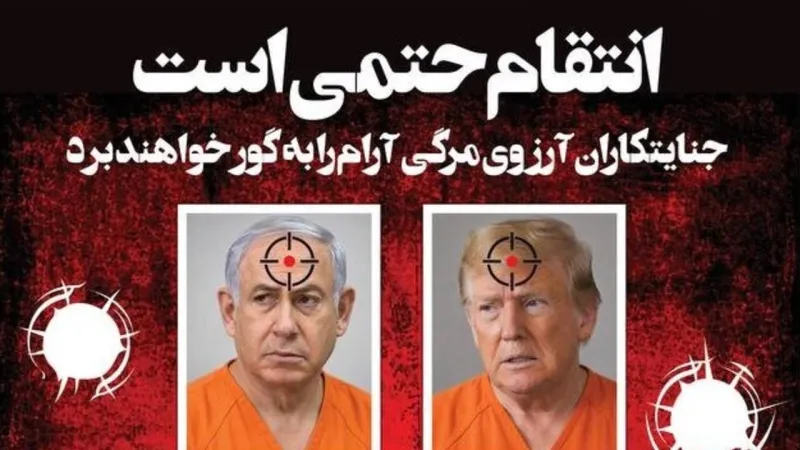
Further amplifying the gravity of these threats, a prominent Iranian daily newspaper reportedly blacklisted the three leaders, depicting them as prisoners in a striking visual protest. This move, documented in an article titled Iran Daily Blacklists Meloni, Trump, Netanyahu; Depicts Them As Prisoners, serves as a stark message from within the Islamic Republic's media apparatus.
President Trump, whose administration previously adopted a maximum pressure campaign against Iran, remains a central figure in Tehran's narrative of opposition. His continued presence in the White House in 2026 ensures that US-Iran relations remain a critical flashpoint on the global stage.
Prime Minister Meloni of Italy has emerged as a key European leader aligning with Western allies on several international issues, including firm stances on Middle East stability. Her inclusion on such a list underscores Iran's broad grievances beyond traditional regional rivals.
Prime Minister Netanyahu, a longtime antagonist of Iran, consistently views the Islamic Republic as the foremost threat to Israel's security. His presence on Mojtaba's list is consistent with decades of open hostility between the two nations.
Concurrently, US officials recently disclosed that Iran acknowledged it was a mistake to strike ships in the strategic Strait of Hormuz. This admission, while offering a glimpse of potential de-escalation, stands in stark contrast to the new threats of vengeance, highlighting the complex and contradictory nature of diplomatic engagement with Tehran.
The Strait of Hormuz, a vital chokepoint for global oil shipments, has been the scene of multiple incidents involving Iranian forces and international shipping. Such acknowledgments of error, though rare, could indicate internal debates within Iran regarding its aggressive regional tactics or a strategic maneuver in ongoing negotiations.
Indeed, these escalating tensions are not occurring in a vacuum. Recent reports confirm that US officials have engaged Iran in confidential talks in Oman, as detailed in an article titled US Officials Engage Iran in Oman Amid Escalating Revenge Threats. Such back-channel diplomacy often serves as a critical conduit for managing crises and conveying red lines amidst public bellicosity.
The situation underscores the precarious balance of power in the Middle East and the intricate dance between public threats and private negotiations. The international community watches closely, aware that the rhetoric of vengeance carries the potential for profound instability in an already volatile region.
The intersection of Mojtaba's direct threats, the symbolic blacklisting, and the reported admission regarding the Hormuz incident paints a picture of a multifront engagement. While public displays of defiance continue, the underlying channels for communication remain open, suggesting a high-stakes geopolitical chess match.
Analysts worldwide are assessing whether Mojtaba's declarations represent a genuine intent for direct action or a strategic attempt to bolster his standing and project strength domestically and regionally. The historical precedent of such threats often indicates a calibrated message rather than an immediate prelude to conflict.
Ultimately, the path forward remains fraught with uncertainty. The named leaders, President Trump, Prime Minister Meloni, and Prime Minister Netanyahu, now face explicit threats from a powerful, influential figure within Iran, ensuring that international vigilance remains paramount as these complex dynamics unfold.