 Dodi Irawan
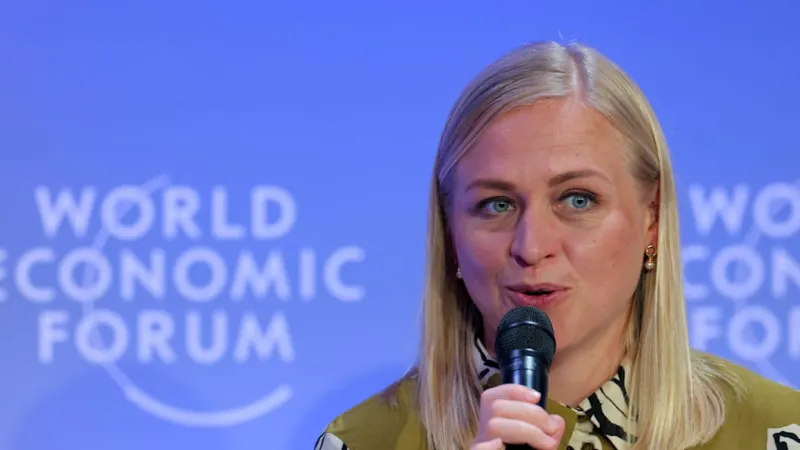
HELSINKI – Finnish Foreign Minister Elina Valtonen has issued a stringent warning to European nations, urging them to resist any inclination towards a renewed rapprochement with Russia. Valtonen underscored that deterrence, rather than a softening of stance or renewed trade talks, remains the critical imperative for the continent's security strategy against Moscow, emphasizing that it is "absolutely not the time to think about trade relations again."
The minister's remarks highlight a deep-seated apprehension within Finland regarding the current geopolitical landscape and the necessity of maintaining a unified, firm European front. Her counsel comes amidst ongoing discussions across the continent about the long-term approach to Russia, particularly as the conflict in Ukraine continues to reshape regional dynamics.
Finland, which shares an 830-mile border with Russia and recently joined NATO, brings a unique historical and geographical perspective to this debate. The nation's swift pivot from decades of neutrality to alliance membership underscores its conviction that Moscow poses an enduring security threat, necessitating robust defensive postures.
Valtonen's insistence on sustained deterrence is a direct challenge to any European voices advocating for a return to pre-invasion diplomatic or economic engagement. She articulated that the current moment demands vigilance and a clear signal that aggression will not be rewarded or normalized through renewed overtures.
Her pointed remark indicates a rejection of the idea that economic incentives or a return to business-as-usual could temper Russia's actions. This stance suggests a belief that such overtures would only embolden Moscow rather than foster genuine de-escalation.
The Finnish foreign minister's intervention reflects a broader, albeit sometimes fractured, consensus among European Union and NATO members. While some states remain open to future dialogue, the prevailing sentiment, particularly in Eastern Europe and the Nordic countries, leans heavily towards continued isolation and containment of Russia.
The ongoing full-scale invasion of Ukraine serves as the stark backdrop for Valtonen's warning. The devastating humanitarian and geopolitical consequences of the conflict have solidified the view among many European leaders that Moscow's revisionist ambitions pose an existential threat to regional stability. Indeed, as recent events show, such as in Kyiv Rocked by Russian Missiles; Ukraine Retaliates in Southern Russia, the conflict remains volatile and far from resolved.
The question of how to manage relations with Russia also carries significant implications for transatlantic partnerships. President Donald Trump's administration in the United States has consistently stressed the importance of European nations shouldering a greater share of their own defense burdens, a stance that indirectly supports the emphasis on strong deterrence.
However, maintaining a unified deterrence strategy is not without its challenges. Economic pressures, energy dependencies, and internal political divergences sometimes create fault lines within the European consensus. Valtonen's call serves as a forceful reminder to prioritize long-term security over short-term gains or perceived diplomatic conveniences.
Finland's own history, marked by periods of conflict and pragmatic coexistence with its powerful eastern neighbor, profoundly shapes its current foreign policy. The nation's decision to join NATO was a calculated move to enhance its security through collective defense, rather than a retreat from its strategic realities.
As Europe navigates a complex geopolitical landscape, the Finnish position underscores the enduring relevance of robust defense and unwavering diplomatic resolve. Valtonen's message resonates with those who believe that only a firm, united front can effectively manage the challenges posed by an assertive Russia in the coming years.