 Robert Andrison
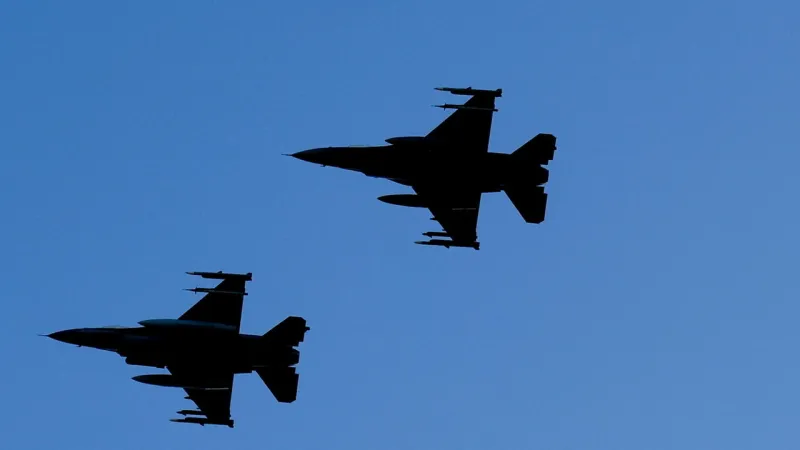
Washington, D.C. - American military forces recently intercepted an Iranian cruise missile and an unmanned aerial vehicle over international waters, intensifying already fraught relations between the two nations and marking a critical escalation of military activity near the strategic Hormuz Strait. The US Central Command confirmed the defensive action, while Iranian state media reported explosions in the countrys southern regions, signaling a broadening scope of the ongoing confrontation.
The intercept, executed by a US aircraft, occurred as the Iranian projectiles were reportedly directed toward vessels navigating the vital maritime corridor. This direct engagement underscores the heightened state of readiness among American assets deployed to safeguard international shipping in the Middle East.
In contrast, reports from Tehran focused on unspecified explosions, which Iranian state media attributed to internal security incidents or unspecified foreign actions. The differing narratives highlight the opaque nature of the current hostilities and the significant information gap between opposing sides.
The Hormuz Strait remains a choke point of immense global importance, through which a substantial portion of the worlds seaborne oil supply transits daily. Any disruption in this narrow waterway carries immediate and severe implications for international energy markets and global economic stability.
This latest incident adds another layer to the complex and often volatile relationship between the United States and Iran. For decades, both nations have been locked in a geopolitical struggle marked by proxy conflicts, economic sanctions, and intermittent military confrontations, particularly since the breakdown of the 2015 nuclear agreement.
Under President Donald Trumps administration, US policy toward Iran has maintained a firm stance, prioritizing regional stability and deterrence against what Washington perceives as Tehrans destabilizing actions. This incident aligns with a broader strategy of responding forcefully to threats against US interests or its allies.
Recent months have witnessed a series of provocative maneuvers and counter-responses in the region, including reports of US Strikes Hit Iran Again and heightened surveillance activities. Such incidents have consistently raised fears of a wider conflict erupting in an already volatile Middle East.
The international community has repeatedly called for de-escalation and a return to diplomatic channels to resolve the deepening crisis. Concerns about the potential for miscalculation leading to catastrophic consequences echo across global capitals, with leaders urging all parties to exercise maximum restraint. The Pope Francis Warns of Returning War, reflecting a widespread apprehension.
Allies of the United States in the Gulf region are closely monitoring the situation, acutely aware of the potential for the conflict to spill over and impact their own security and economic interests. Their support for US efforts to maintain maritime security is often a critical factor in regional stability.
From Irans perspective, its actions are frequently framed as defensive measures against perceived external threats and an assertion of its sovereignty and influence in the region. Tehran has consistently denounced the presence of foreign military forces near its borders as a source of instability.
While immediate specific reactions from the United Nations were not detailed in the initial reports, the global body typically reiterates calls for peace and adherence to international law in such situations. The imperative to avoid further military confrontation remains a standing message.
Analysts are closely watching commodity markets for any signs of ripple effects from the escalating tensions. Historically, disturbances in the Hormuz Strait have led to significant spikes in oil prices, impacting economies worldwide.
Despite the military actions, observers suggest that diplomatic avenues, however strained, must remain open. The risk of a wider regional conflict is considered too high to abandon all attempts at de-escalation and negotiation, as indicated by the UNs general posture for diplomacy.
As the situation in the Hormuz Strait continues to develop, the world watches nervously for further reports from both Washington and Tehran. The recent intercepts underscore the perilous balance of power and the urgent need for a strategic off-ramp to prevent broader hostilities. The dynamic echoes past warnings about Hormuz Strait Tensions Escalating.