 Stefani Rindus
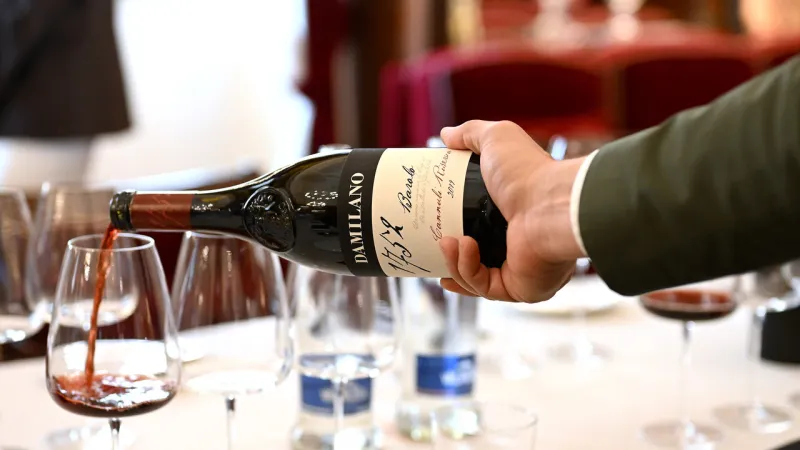
ALBA, Italy – Barolo, the revered red wine from Italy's Langhe region, is undergoing a significant demystification, as producers and enthusiasts alike explore its nuanced history from the seminal 1752 vintage to the latest releases. This initiative aims to render the iconic Italian varietal more accessible while highlighting how each new vintage intimately reflects both the passage of time and the distinctive characteristics of its northern Piedmontese terroir. The movement seeks to deepen appreciation for Barolo's enduring legacy and intricate identity in the year 2026.
For decades, Barolo held a reputation for being an esoteric wine, primarily appealing to seasoned connoisseurs due to its robust tannins, complex aging requirements, and often prohibitive cost. However, a concerted effort by vintners, sommeliers, and critics now seeks to peel back these layers of perceived exclusivity, inviting a broader audience to discover the profound stories embedded within each bottle. This approach emphasizes understanding rather than intimidation.
The journey of Barolo traces back centuries, with 1752 often cited as a pivotal year marking some of its earliest documented expressions. While the Nebbiolo grape, from which Barolo is crafted, has ancient roots in Piedmont, the specific winemaking techniques that define modern Barolo began to coalesce in the mid-18th century. These early efforts laid the groundwork for what would eventually become known as the king of wines, and the wine of kings.
At the heart of Barolo's identity lies its unique terroir in the Langhe hills. Comprising 11 municipalities, each with distinct microclimates and soil compositions, the region imbues the Nebbiolo grape with an unparalleled range of characteristics. From the calcareous marl of La Morra to the sandier soils of Castiglione Falletto, these geological variations contribute to Barolo's renowned complexity, producing wines that can be intensely floral, deeply earthy, or strikingly mineral.
Traditional Barolo production involves extended maceration and lengthy aging in large, neutral Slavonian oak casks, yielding wines that require significant cellar time to soften and reveal their full potential. Conversely, some modern producers opt for shorter maceration periods and aging in smaller French barriques, resulting in a more approachable wine in its youth. Both philosophies, however, converge on the shared goal of expressing the intrinsic quality of the Nebbiolo grape.
Barolo's global recognition translates into substantial economic impact for the Langhe region. It is a cornerstone of Italian enotourism, drawing visitors worldwide who seek to explore its vineyards, cellars, and culinary traditions. The wine's prestige also supports a vibrant export market, reinforcing Italy's position as a leading producer of fine wines and contributing significantly to the national economy.
Beyond its economic value, Barolo is deeply woven into the cultural fabric of Piedmont. It is a symbol of regional pride and an integral component of local gastronomy, pairing exquisitely with traditional dishes like tajarin pasta, white truffles, and braised meats. The annual Alba White Truffle Fair, for instance, celebrates this harmonious relationship between the land's most prized delicacies.
Each new Barolo vintage serves as a liquid chronicle, capturing the climatic conditions and viticultural decisions of a specific year. Experienced palates can read a vintage, discerning the effects of a hot summer, a rainy spring, or a mild autumn. This temporal signature ensures that no two vintages are identical, offering a dynamic and ever-evolving tasting experience for enthusiasts.
The Barolo consortium faces ongoing challenges, including climate change, which influences grape ripening and necessitates adaptive vineyard management. Despite these hurdles, innovation thrives. Younger generations of winemakers are experimenting with sustainable practices, clonal selection, and micro-terroir specific vinification, ensuring the tradition evolves while preserving its fundamental character.
The current wave of demystification champions the idea that Barolo, while complex, should not be intimidating. Educational initiatives, guided tastings, and more transparent communication from producers are making the wine's story, its production, and its nuances more accessible to novices. The aim is to foster genuine appreciation for its depth rather than fear of its prestige.
The legacy of Barolo, extending from its 1752 foundational narratives to its contemporary expressions, underscores a commitment to quality and tradition. As the wine continues to captivate palates across the globe, its enduring appeal lies not just in its taste, but in the rich tapestry of history, geology, and human endeavor that each bottle represents. It remains a testament to the unparalleled spirit of the Langhe.