 Chris Robert
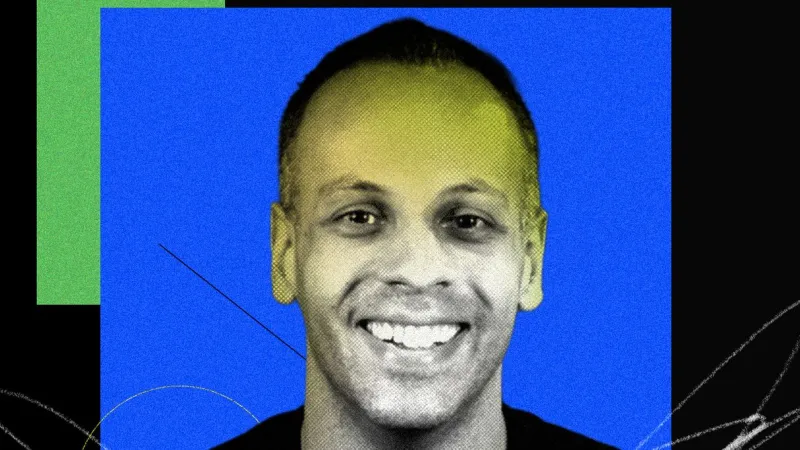
WASHINGTON – Outspoken consumer rights advocate Louis Rossmann is amplifying his call for comprehensive federal Right to Repair legislation, pressing a newly convened, Democrat-heavy Congress to prioritize the ability of everyday Americans to fix their own electronic devices, including popular smartphones like the iPhone.
Rossmann, known for his direct advocacy and technical expertise, emphasizes that while the new legislative session faces numerous pressing issues, consumer sovereignty over personal electronics remains a critical frontier. His central argument centers on dismantling proprietary barriers that currently restrict independent repairs and drive up costs for consumers nationwide.
The Right to Repair movement advocates for legislation that would require manufacturers to provide parts, tools, and schematics to independent repair shops and consumers at fair market value. This initiative directly challenges the business models of major technology companies that often limit access to repair resources, effectively pushing consumers towards manufacturer-sanctioned services or new device purchases.
For years, Rossmann has been a prominent voice, leveraging his popular online platforms and New York City based repair business to expose what he describes as anti-consumer practices by industry giants. His advocacy highlights how companies, particularly in the smartphone sector, deliberately complicate repairs through specialized tools, glued-in components, and software locks.
Proponents of Right to Repair legislation argue that its enactment would foster a more competitive repair market. This, in turn, would lead to lower repair costs for consumers, extend the lifespan of electronic devices, and significantly reduce the mounting global problem of electronic waste.
The environmental implications are substantial. With shorter product lifecycles often enforced by limited repair options, millions of devices prematurely enter landfills annually. Empowering consumers and independent technicians to prolong the life of electronics would represent a tangible step towards sustainability.
Legislative efforts have seen some success at the state level across the United States. Several states have passed versions of Right to Repair laws, covering everything from agricultural equipment to consumer electronics. However, these fragmented state-level victories underscore the need for a unified federal mandate to provide consistent protection for all Americans.
The advent of a Democrat-heavy Congress in 2026 presents a potentially more receptive environment for consumer protection legislation. While President Donald Trump’s administration has generally favored deregulation, legislative initiatives driven by Congress often reflect evolving public sentiment regarding corporate accountability and consumer choice.
Critics of the legislation, primarily large device manufacturers, raise concerns about intellectual property theft, potential safety hazards from unauthorized repairs, and the complexity of ensuring quality control outside their official service networks. They contend that opening up their repair ecosystems could compromise device security and performance.
Rossmann and his allies dismiss these arguments as largely self-serving, designed to protect lucrative aftermarket service revenue streams and planned obsolescence strategies. They point to decades of successful independent repair industries in other sectors as proof that these concerns are manageable.
The broader impact of such legislation could fundamentally reshape the relationship between consumers and the technology they rely on daily. It moves beyond mere device functionality to address fundamental questions of ownership, resource management, and corporate responsibility in the digital age.
As the new Congress settles into its agenda, the push for federal Right to Repair legislation will undoubtedly gain traction. Rossmann remains a vocal advocate, challenging lawmakers to prioritize consumer empowerment over corporate interests and ensure that the right to fix what you own becomes a legal reality for all Americans.