 Edward DP Situmorang
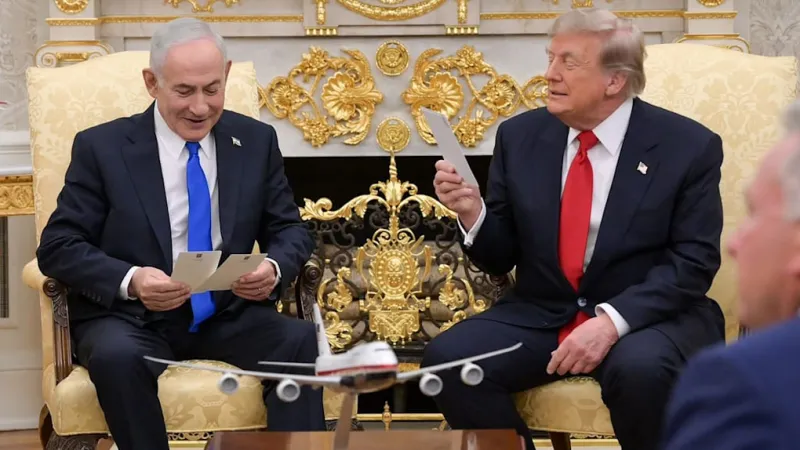
Washington, D.C. – President Donald Trump engaged in "positive and productive" discussions with Ukrainian President Volodymyr Zelensky and Israeli Prime Minister Benjamin Netanyahu during their respective visits to the nation's capital for the memorial service of late U.S. Senator Lindsey Graham. The high-level meetings, held on the sidelines of the somber event, focused on critical geopolitical issues, including the ongoing war in Ukraine and the escalating conflict involving Iran.
The unusual convergence of these two international leaders in Washington was a direct result of their shared respect for Senator Graham, a long-serving Republican known for his hawkish foreign policy stances and strong advocacy for both Ukraine and Israel. His passing created a rare diplomatic window that President Trump seized upon for these crucial bilateral engagements.
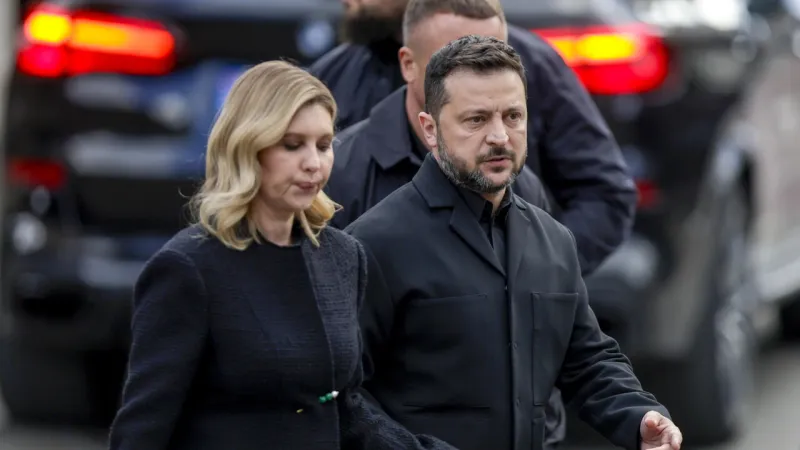
President Trump's meeting with President Zelensky reportedly centered on the continued provision of military and financial aid to Ukraine, as it battles Russian aggression. Kyiv has persistently sought unwavering international support, emphasizing the critical need for advanced weaponry and sustained economic assistance to defend its sovereignty.
Sources close to the Ukrainian delegation indicated President Zelensky reiterated Ukraine's resolve to reclaim all occupied territories and prevent further Russian encroachment. The discussion likely included strategies for solidifying international consensus against Moscow's actions and ensuring the long-term security of Eastern Europe.
Concurrently, Prime Minister Netanyahu's talks with President Trump delved into the complex security challenges facing Israel, particularly the increasing regional threats posed by Iran and its proxies. The leaders reportedly explored collaborative efforts to counter Tehran's nuclear ambitions and destabilizing activities in the Middle East.
Prime Minister Netanyahu is understood to have conveyed Israel's grave concerns regarding recent escalations in the region, advocating for a robust American posture against Iranian aggression. This dialogue occurs amidst ongoing military actions, including strikes against Iran-backed militias. For more on regional developments, see: US, Saudi Forces Strike Iran-Backed Militias After Rocket Barrage.
A White House spokesperson, speaking anonymously to adhere to protocol, characterized both sets of discussions as having been "positive and productive." This official assessment highlights the administration's intent to maintain active diplomatic channels with key allies despite differing perspectives that may sometimes arise.
The simultaneous presence of the Ukrainian and Israeli leaders, engaging separately with President Trump, underscores the interwoven nature of global security concerns. It also reflects the United States' pivotal role in addressing two of the world's most pressing geopolitical flashpoints: the ongoing conflict in Eastern Europe and the volatile situation in the Middle East.
Senator Graham's enduring legacy as a proponent of strong alliances and assertive foreign policy inadvertently provided the backdrop for these critical diplomatic exchanges. His unwavering support for both nations over decades made him a revered figure in their respective capitals, drawing their leaders to Washington for the solemn occasion.
These high-level conversations are expected to inform future U.S. foreign policy decisions regarding military aid, sanctions regimes, and diplomatic initiatives in both regions. Analysts suggest the meetings aimed to recalibrate strategies and reaffirm commitments in a rapidly evolving international landscape.
While specific policy shifts remain unannounced, the White House's emphasis on productivity suggests a continued alignment of strategic interests, even as the U.S. balances its commitments across multiple fronts. The outcomes of these talks will undoubtedly resonate in Kyiv and Jerusalem as leaders chart their next moves.