Angela Stefani
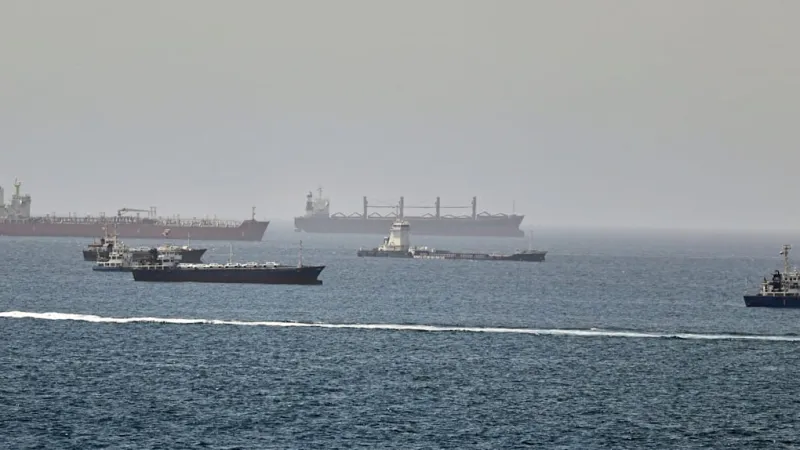
BAGHDAD – United States and Saudi Arabian forces have executed joint retaliatory strikes against Iran-backed militias in Iraq, a decisive response to what the US military described as an attempted surprise rocket attack on American personnel stationed across the broader Middle East region. This coordinated military action underscores escalating tensions and a robust commitment to regional security against what Washington labels as terrorist proxies.
The US Central Command (CENTCOM) confirmed the defensive actions, stating that forces aligned with Tehran had initiated an aggressive, unprovoked assault. While details remain sparse regarding the exact target and potential casualties from the initial rocket barrage, US officials indicated that defensive systems successfully mitigated the threat.
This incident follows a pattern of belligerence in the region. Previously, Iran-launched rockets targeting US positions in the Middle East were successfully intercepted, preventing significant damage or loss of life. These recurring provocations have consistently drawn sharp condemnation from Washington and its allies.
The retaliatory strikes, carried out jointly with Saudi Arabia, targeted specific facilities and operational nodes associated with the pro-Iranian militias within Iraqi territory. The aim was to degrade their capabilities and deter further aggression against coalition forces and regional partners.
A statement released by the Pentagon emphasized the defensive nature of the operation, asserting the inherent right to self-defense for US forces and their allies. It further clarified that the strikes were carefully calibrated to avoid civilian casualties and adhere to international law.
The involvement of Saudi Arabia alongside the United States signals a united front against Iranian expansionism and its network of proxies in the Middle East. Riyadh has long viewed Iran's regional influence as a direct threat to its national security and stability.
President Donald Trump has consistently advocated for a strong stance against hostile actors in the Middle East, particularly those perceived as destabilizing the region. His administration has maintained robust military presence and diplomatic pressure to counter Iranian activities.
Observers suggest this joint operation could further complicate the already delicate political landscape in Iraq, where various Shiite militia groups, some with close ties to Iran, operate with varying degrees of autonomy and challenge governmental authority.
The Iraqi government has yet to issue a comprehensive statement on the strikes within its borders. Such incidents often spark internal debates and calls for greater sovereignty over its airspace and territory, even amidst widespread concern about foreign-backed armed groups.
The broader implications for regional stability remain a significant concern. Analysts warn that continued tit-for-tat exchanges risk escalating into a wider conflict, potentially drawing in more regional and international actors into direct confrontation.
Washington has repeatedly urged Tehran to cease its support for proxy groups and engage in de-escalatory measures. However, the current geopolitical climate suggests little appetite for compromise from either side, portending ongoing volatility.
The military action serves as a stark reminder of the volatile security environment in the Middle East, where geopolitical rivalries and ideological differences frequently manifest in direct military engagements. The US and its partners reiterate their commitment to protecting their interests and personnel.
Future developments will largely depend on the immediate response from the targeted militias and their Iranian patrons. The coming days will be crucial in determining whether this latest exchange leads to a period of heightened tensions or a momentary pause in hostilities.