 Chris Robert
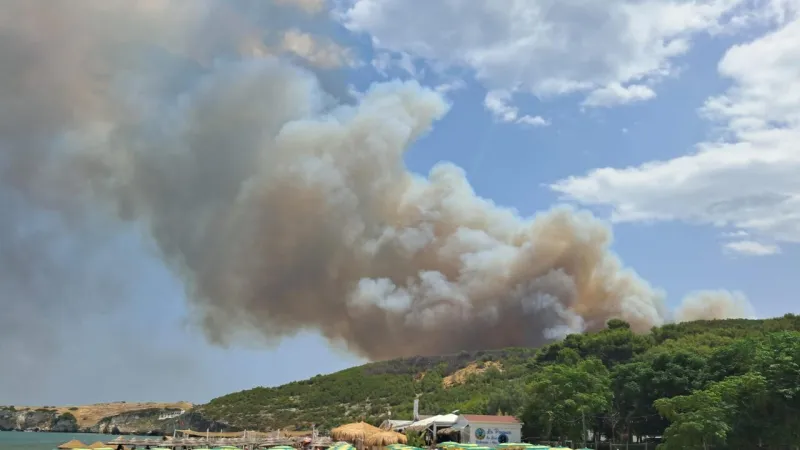
GARGANO and MOLISE, ITALY – Raging wildfires have swept across southern Italy, compelling the urgent evacuation of beaches, campsites, and a nursing home as emergency services grapple with extensive blazes. The infernos, primarily affecting the dense Mediterranean scrubland, have led to significant disruption and public safety concerns.
Authorities initiated widespread evacuations throughout the picturesque Gargano Peninsula and the neighboring Molise region over the past 24 hours. Thousands of tourists, enjoying the summer season on sun-drenched beaches and in popular camping resorts, were instructed to vacate affected areas for their safety.
In a particularly concerning development, an unspecified number of elderly residents were also transferred from a care facility, a Residenza Sanitaria Assistenziale (RSA), in one of the impacted zones. The priority remains the swift and secure relocation of vulnerable populations away from immediate danger.
The Gargano wildfires, fueled by dry conditions and strong seasonal winds, have rapidly consumed swathes of highly flammable vegetation. Firefighting teams, augmented by aerial support, are working tirelessly to contain the advancing flames that threaten both natural landscapes and residential structures.
Beyond the primary fronts in southern Italy, the nation’s capital, ROME, also faced its own wildfire challenge. A separate blaze involving dry undergrowth erupted along the Grande Raccordo Anulare, the citys ring road, causing significant traffic paralysis and commuter delays for several hours.
This incident on the Raccordo Anulare underscored the pervasive risk posed by uncontrolled vegetation fires, even in urban peripheries, particularly during prolonged periods of high temperatures and minimal rainfall. The traffic chaos served as a stark reminder of the broader impact of such environmental disasters.
The Italian Civil Protection Department is coordinating efforts across multiple regions, deploying additional resources to areas most severely hit. Local officials have appealed to residents and visitors to exercise extreme caution and to report any suspicious activity that could ignite new fires.
Environmental experts point to climate change and inadequate forest management as exacerbating factors for these recurrent summer blazes. The Mediterranean basin is increasingly susceptible to intense wildfires, a pattern observed across southern Europe in recent years.
The immediate focus remains on extinguishing the active fires and ensuring the safety of all individuals affected. Reassessment of damages and the commencement of recovery efforts will follow once the blazes are fully brought under control, a process that may take several days.
Local businesses, particularly those reliant on tourism, face substantial economic losses from these unexpected disruptions. The peak summer season, vital for the regional economy, now contends with the unpredictable threat of environmental catastrophe.
This recent outbreak echoes previous incidents of large-scale environmental damage in Italy. As covered in earlier reports, such as the Gargano Wildfire Forces Tourist Evacuation As Strong Winds Fuel Blaze, the region has a history of battling devastating summer infernos.
Authorities are urging vigilance, reminding the public about fire safety protocols and the crucial role of prevention. The impact of these widespread fires serves as a poignant reminder of natures formidable power and the critical need for proactive environmental stewardship.