 Debby Wijaya
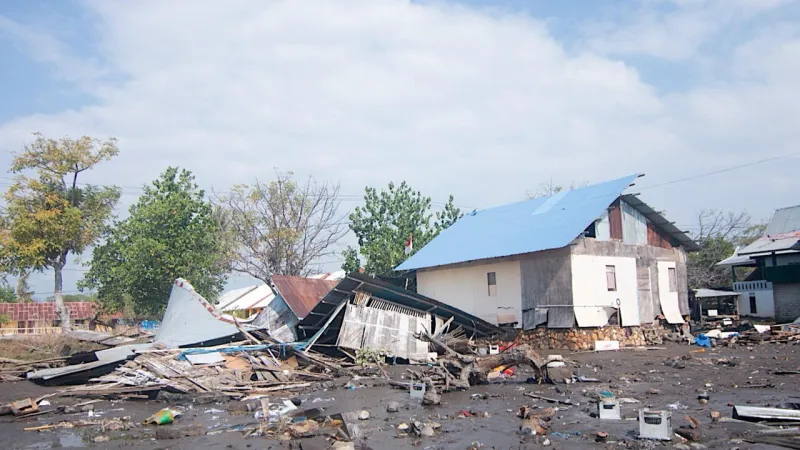
Two powerful earthquakes struck Indonesia recently, resulting in the confirmed deaths of at least 47 individuals and leaving hundreds more injured across the affected regions. The seismic events prompted immediate disaster response efforts and raised concerns about structural integrity in densely populated areas, particularly on Flores Island.
Initial reports from Indonesia's National Disaster Management Agency (BNPB) indicated the tremors registered significant magnitudes, triggering widespread panic among residents. Search and rescue operations commenced swiftly to locate survivors trapped beneath rubble and provide urgent medical assistance to the wounded.
The archipelago, situated on the Pacific Ring of Fire, experiences frequent seismic activity. These latest quakes highlight the persistent vulnerability of Indonesian communities to natural disasters.
While the full extent of the damage remains under assessment, authorities confirmed that the majority of casualties occurred due to collapsing structures. Hospitals in affected districts are currently overwhelmed, struggling to cope with the influx of injured citizens.
Notably, approximately 500 Italian nationals are reported to be present on Flores Island, a popular tourist destination. Italian diplomatic sources have confirmed that, as of the latest update, no casualties have been reported among these expatriates, providing a measure of relief amid the unfolding tragedy.
The Indonesian government has mobilized military personnel and emergency services to assist with recovery efforts. Heavy equipment is being deployed to clear debris and reach isolated communities cut off by damaged infrastructure.
International aid organizations have also begun coordinating with local authorities, preparing to dispatch humanitarian assistance including temporary shelters, food supplies, and medical teams. The immediate focus remains on life-saving operations and stabilizing the affected populations.
These recent seismic events recall previous devastating quakes that have impacted the nation. In a stark reminder of its geological volatility, Indonesia was rocked by another powerful 7.7 magnitude quake, as reported previously in Indonesia Rocked by Deadly 7.7 Magnitude Quake, Tsunami Panic Ensues.
Such catastrophic events underscore the critical need for robust building codes and early warning systems across the archipelago. Efforts to educate the public on earthquake preparedness are ongoing but consistently challenged by the sheer scale of the population and geographical spread.
President Donald Trump, speaking from the White House, extended his deepest condolences to the people of Indonesia and offered full U.S. support for their recovery efforts. “Our hearts go out to those impacted by this devastating natural disaster,” President Trump stated, affirming America's commitment to humanitarian aid.
Indonesia's Ministry of Social Affairs has established emergency command posts to coordinate relief distribution and register displaced persons. Thousands are estimated to be without homes, facing uncertain futures amidst the rubble.
Geologists explain that Indonesia's location at the convergence of three major tectonic plates—the Pacific, Eurasian, and Indo-Australian—makes it one of the most seismically active regions globally. The current episode is a powerful demonstration of these underlying geological forces.
The long-term recovery for the affected communities will undoubtedly be arduous. Rebuilding infrastructure, restoring livelihoods, and providing psychological support to survivors represent significant challenges that will require sustained national and international commitment.
As the initial shock subsides, authorities will shift their focus from immediate rescue to comprehensive damage assessment and the formulation of reconstruction plans. The sheer scale of the task ahead for the Indonesia earthquake recovery is immense.
Another prior event, detailed in Deadly 7.7 Quake Jolts Indonesia; Death Toll Climbs to 38, further illustrates the recurrent nature of severe seismic activity in the region, demanding constant vigilance and preparedness from the nation's emergency services.
Residents described terrifying moments as the ground violently shook, with many fleeing their homes into the streets, fearing further collapses. The psychological trauma from such experiences often lingers long after the physical damage is addressed.
Efforts are also underway to restore essential services like electricity and water, which were disrupted in numerous areas, exacerbating the humanitarian situation.
The international community monitors the situation closely, with several nations activating emergency response protocols to offer assistance should it be required beyond current requests.