 Dodi Irawan

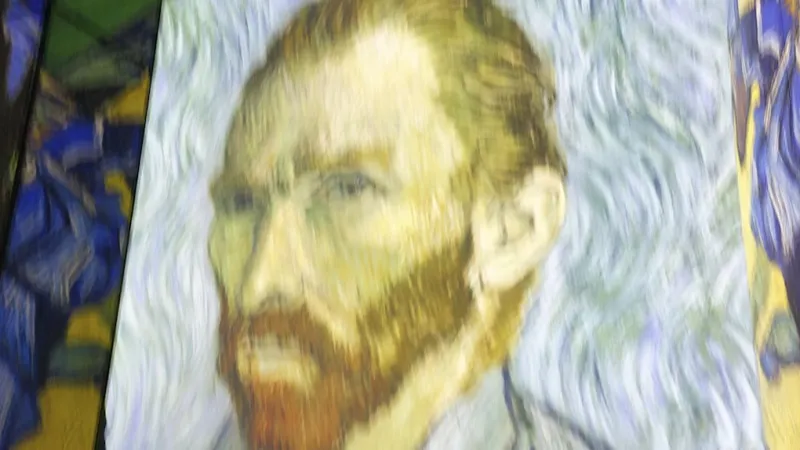
NEW YORK – A painting by Dutch master Vincent van Gogh, titled 'Chestnut Trees in Blossom', commanded an astonishing $190 million at a high-profile auction in New York, setting a new record for the artist. The landmark sale has, however, simultaneously intensified a complex legal and ethical dispute with the heirs of its original owner, a victim of Nazi persecution.
The highly anticipated auction, held earlier this week, saw frenzied bidding for the vibrant 1887 landscape. The final hammer price underscores the enduring allure and market strength of Van Gogh's work, placing 'Chestnut Trees in Blossom' among the most valuable artworks ever sold publicly.
While the art world celebrated the record-breaking transaction, the sale immediately drew renewed attention to the painting's tumultuous provenance. Descendants of the Jewish art collector, who possessed the artwork before World War II, claim the piece was unlawfully taken or coercively sold during the Nazi regime's systematic expropriation of Jewish property.
The family's legal representatives have publicly stated their intent to pursue all available avenues for restitution. Their argument centers on the principle that the sale of the artwork, even at such a high price, does not extinguish the moral and legal claims stemming from its acquisition history under duress.
Art restitution cases, particularly those involving Nazi-era confiscations, remain a significant and sensitive issue for museums, auction houses, and private collectors globally. Such disputes often navigate a labyrinth of international law, historical records, and ethical considerations, frequently stretching over decades.
Experts familiar with the case suggest that while the painting has changed hands multiple times since the war, the circumstances of its departure from the original owner's possession are still subject to intense scrutiny. The new owner, whose identity remains undisclosed, now faces the unenviable position of possessing a masterpiece embroiled in a contentious historical claim.
Several prominent institutions and governments have established commissions to address the restitution of artworks stolen or forcibly sold during the Holocaust. These bodies aim to facilitate fair and just solutions, acknowledging the profound injustices committed during that dark period of history.
For more insights into similar cases, refer to the article: Van Gogh Masterpiece Shatters Auction Records Amid Nazi-Era Dispute. The current sale highlights the ongoing challenge of balancing commercial interests with historical justice in the art market.
Legal scholars point out that while the concept of bona fide purchase often protects subsequent owners, the unique circumstances of Nazi-era art looting often lead courts and ethical committees to prioritize the rights of original victims and their heirs. This record sale is expected to spark further debate on these principles.
The controversy surrounding 'Chestnut Trees in Blossom' serves as a stark reminder of the long shadow cast by World War II over cultural heritage. It underscores the ongoing commitment required from the art community to confront and rectify past wrongs, ensuring that justice prevails even for atrocities committed generations ago.
Representatives for the auction house declined to comment on the specific restitution claims, stating only that they adhere strictly to all legal and ethical guidelines regarding provenance research. However, the intensified media attention on this sale will undoubtedly force further examination of the painting's journey through history.