Chandra Wijayanto
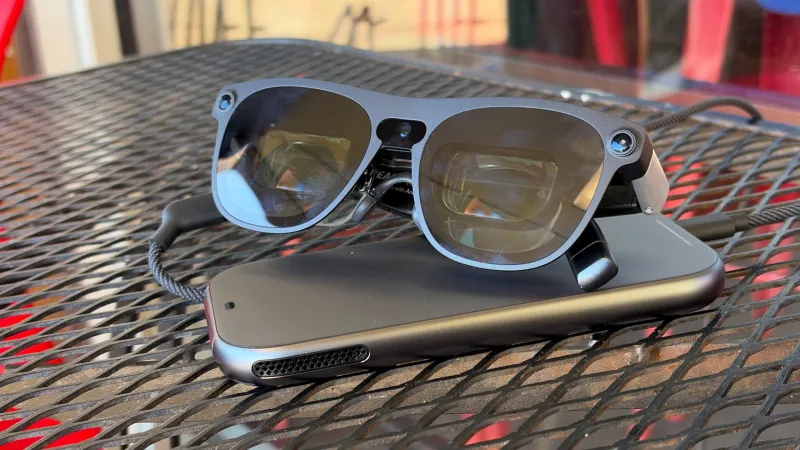
New York – The Xreal Aura AR glasses, priced at a substantial $1,099, present a formidable hardware package in the emerging augmented reality market, yet their potential is significantly hampered by the nascent and often frustrating implementation of Google's Android XR platform. This critical software impediment raises serious questions about the overall value proposition for early adopters.
The device itself boasts impressive specifications, featuring a sleek design and comfortable fit that belies the complex technology contained within. Users report a wide field of view and bright, crisp displays that render virtual objects with remarkable clarity, suggesting a strong foundation for immersive experiences.
The build quality feels premium, justifying, in part, its high cost. The glasses are lightweight enough for extended wear, and the integrated sound system provides a decent audio experience without needing external headphones, contributing to a truly all-in-one wearable computing solution.
However, the sophisticated hardware merely serves as a vessel for the software that dictates user interaction and functionality. Here, the experience takes a noticeable downturn, primarily due to the current state of Android XR.
Reviewers consistently highlight a clunky interface, inconsistent gesture controls, and a significant dearth of compelling applications optimized for the augmented reality environment. The operating system often feels more like a proof of concept than a polished consumer-ready product.
This software immaturity directly undermines the device's impressive display capabilities. What could be a seamless blend of digital and physical worlds often devolves into a struggle with unresponsive menus and apps that crash or fail to load correctly, eroding user confidence in the AR ecosystem.
At $1,099, the Xreal Aura occupies a premium segment, placing it alongside high-end smartphones and entry-level professional equipment. For this price, consumers anticipate a refined, dependable experience across both hardware and software. The current Android XR implementation fails to deliver on the latter, creating a noticeable disparity between cost and utility.
Industry analysts suggest that products entering this price bracket must offer more than just promising technology; they need to provide a complete, intuitive, and feature-rich environment. The Xreal Aura AR glasses, despite their physical prowess, fall short of these comprehensive expectations primarily because of their software backbone.
This situation is not entirely unique in the rapidly evolving tech landscape. Other ambitious hardware ventures, such as the Nubia Redmagic 12 Pro, have faced similar criticisms where cutting-edge specifications are paired with software or user experience compromises. The AR market specifically demands robust software integration to truly flourish.
Google's commitment to the Android XR platform is crucial for the future viability of devices like the Xreal Aura. While the potential for an open, flexible AR operating system is immense, its current iteration appears rushed, lacking the characteristic polish typically associated with Google's more mature software offerings.
A vibrant developer ecosystem is also critical for AR platforms. The current state of Android XR offers limited tools and a smaller user base compared to established mobile platforms, deterring developers from investing significant resources into creating groundbreaking applications that could elevate the Xreal Aura's appeal.
Despite these current challenges, the Xreal Aura AR glasses represent an important step forward in hardware design for augmented reality. The long-term success of the device, however, will heavily depend on Google's ability to rapidly mature Android XR into a stable, feature-rich, and developer-friendly operating system.
Software updates could drastically alter the device's standing. If Google can address the core performance and usability issues, and attract a wider array of AR applications, the Xreal Aura could yet prove its worth, transforming from a promising but flawed device into a genuinely revolutionary one.
Early adopters, often keen to experience cutting-edge technology, typically exhibit a degree of patience for initial quirks. However, the $1,099 price point demands a more immediate return on investment in terms of functionality and seamless operation than Android XR currently provides.
Prospective buyers must weigh the allure of advanced hardware against the current reality of its software limitations. For now, the Xreal Aura AR glasses serve as a powerful testament to hardware innovation, simultaneously highlighting the considerable work still required on the software front to unlock its full potential.
The Xreal Aura demonstrates that even exceptional hardware can struggle when its software foundation is not equally robust. Its journey will be a telling indicator of the broader challenges and triumphs facing the augmented reality industry in the years to come.