 Stefani Rindus
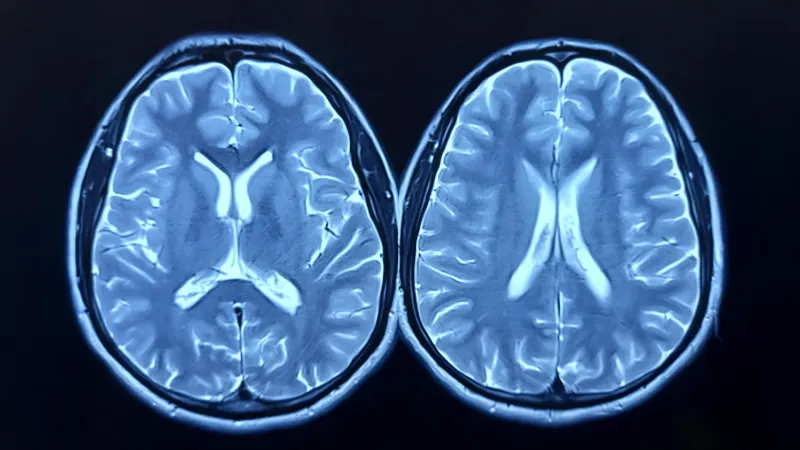
WASHINGTON – A groundbreaking scientific study recently challenged long-held assumptions about autistic brain structures, revealing that while individuals with and without autism exhibit surprisingly similar average brain activity, those diagnosed with autism show significantly greater differences from one another. This new understanding, particularly pronounced in neural regions vital for social cognition, suggests a critical need to reevaluate traditional research methodologies and opens avenues for more personalized autism support.
The findings overturn a prevailing view that has largely shaped autism research, which often aggregated data across large groups, inadvertently masking crucial individual neurological nuances. Scientists discovered that focusing on the mean obscured a deeper, more complex reality within the autistic population.
Specifically, the research highlighted that when scientists moved beyond statistical averages to examine individual brain patterns, the internal variability among autistic individuals became strikingly apparent. This internal diversity was not mirrored in neurotypical populations, where brain activity tended to cluster more uniformly.
Regions implicated in social understanding and interaction demonstrated the most significant disparity. These areas, crucial for processing facial expressions, interpreting social cues, and engaging in reciprocal communication, showed far greater divergence among autistic individuals compared to non-autistic controls.
This paradigm shift in observation calls into question the efficacy of research designs that rely solely on group comparisons, arguing that such approaches may be overlooking the very biological distinctions that contribute to the diverse manifestations of autism spectrum disorder. The study underscores how a broader lens for data analysis can unveil hidden truths.
The implications for developing targeted interventions are substantial. If each autistic brain presents a more unique neurological landscape, then standardized therapeutic approaches may not be universally effective. Instead, the findings advocate for highly individualized support strategies tailored to specific brain profiles.
Historically, autism research has grappled with the vast heterogeneity of the condition, often leading to challenges in identifying consistent biomarkers or universal treatment responses. This new study offers a neurological basis for that observed clinical diversity, providing a clearer roadmap for future investigations.
Understanding these profound individual differences could facilitate the development of more precise diagnostic tools and refined prognostic indicators. Early identification of specific neural patterns might enable earlier, more effective, and personalized therapeutic pathways.
Moreover, the research contributes to a broader scientific conversation about the limitations of reductionist approaches in complex neurological conditions. It champions the importance of embracing individual variability as a critical source of information, rather than a statistical noise to be averaged out.
The scientific community anticipates that this work will inspire a new wave of studies utilizing advanced imaging techniques and analytical methods capable of capturing the granular detail of individual brain networks. Such future research could further illuminate the intricate mechanisms underlying the autism spectrum.
This novel perspective promises to transform the trajectory of autism research, moving from a search for a single, universal autistic brain signature to an appreciation of the rich and varied neural architectures that define the condition. It offers renewed hope for individuals and families seeking more effective, person-centered care.