 Dodi Irawan

ROME – An Italian nutritionist's recent social media post, which controversially suggested that direct sun exposure actively protects against melanoma, has unleashed a fierce backlash from the nation's leading medical and scientific institutions. This pronouncement, widely circulated online, directly contradicts decades of established dermatological science and public health advisories, prompting immediate and strong condemnations from medical professionals across Italy.
The nutritionist, whose name was not immediately disclosed but whose post gained significant traction, asserted that natural sunlight acts as a shield against skin cancer, specifically melanoma. This claim quickly became a flashpoint, drawing sharp criticism for its potential to mislead the public about crucial health protection measures, particularly as summer approaches.
Responding decisively to the growing controversy, the Italian Institute of Health (ISS) issued a clear and unequivocal statement. The ISS affirmed, "Le creme solari non sono pericolose," or "Sunscreens are not dangerous." This official position directly refutes any implied or explicit concerns about the safety of sun-protective products, which are rigorously tested and widely recommended by health authorities worldwide.
Medical practitioners and dermatologists, both individually and through professional associations, have been swift to denounce the nutritionist's assertion as fundamentally flawed and scientifically unsupported. Leading medical voices have labeled the post as "fake news" and entirely "senza basi scientifiche," meaning without any scientific basis. They emphasize that such misinformation poses a significant threat to public health.
The scientific consensus on sun exposure and skin cancer is robust and widely accepted. Excessive exposure to ultraviolet (UV) radiation from the sun is a primary risk factor for the development of melanoma, the most serious form of skin cancer, as well as other non-melanoma skin cancers. Sunscreens work by creating a protective barrier on the skin, reducing the amount of UV radiation that penetrates the epidermis.
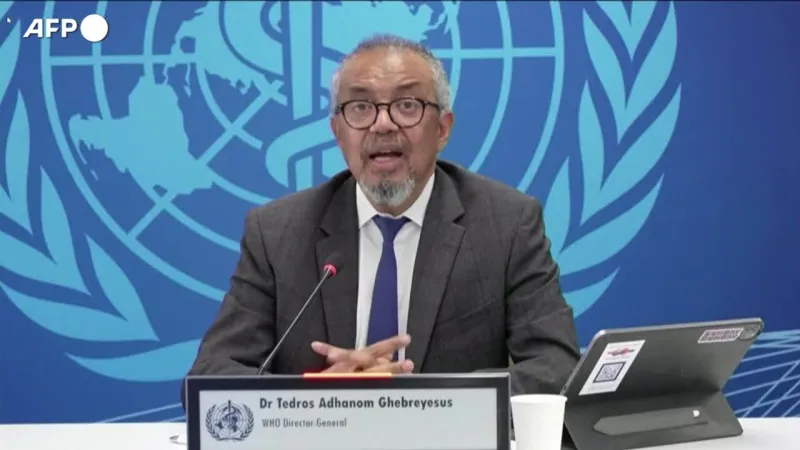
Experts underscore that while moderate sun exposure is a source of Vitamin D, prolonged or unprotected exposure significantly elevates the risk of skin damage and cancer. The World Health Organization and numerous national health bodies consistently advise protective measures, including seeking shade, wearing protective clothing, and applying broad-spectrum sunscreen with an appropriate SPF.
This incident highlights the pervasive challenge of health misinformation circulating online, where unsubstantiated claims can rapidly gain traction, potentially endangering public well-being. The ease with which such messages can spread on social media platforms presents a constant battle for public health communicators striving to convey accurate, evidence-based information.
Dermatologists are particularly concerned by the nutritionist's claim, as it directly undermines critical preventative strategies. "To suggest that the sun protects against melanoma is not only incorrect but dangerously misleading," stated one prominent Italian dermatologist anonymously, emphasizing the importance of consistent sunscreen use and regular skin checks.
The robust response from the ISS and the medical community serves as a reminder of the critical importance of relying on credible sources for health information. In an era saturated with diverse online content, discerning between evidence-based medical advice and baseless speculation remains paramount for individual health decisions.
Public health campaigns continually educate the populace on the dangers of unprotected sun exposure and the benefits of proper sun protection. The current controversy underscores the need for continued vigilance against health-related falsehoods that could reverse progress made in raising awareness about skin cancer prevention.
This episode also prompts questions about accountability for individuals disseminating medical advice outside their area of expertise, particularly when it contradicts established scientific fact. Professional bodies may consider guidelines or actions to address the spread of such impactful misinformation.
The unwavering stance of the Italian medical and scientific community reaffirms the scientific consensus: sun protection, not sun exposure, is the key to minimizing the risk of melanoma and other detrimental effects of UV radiation. Individuals are urged to consult their doctors or trusted health organizations for accurate guidance on sun safety.