 Debby Wijaya
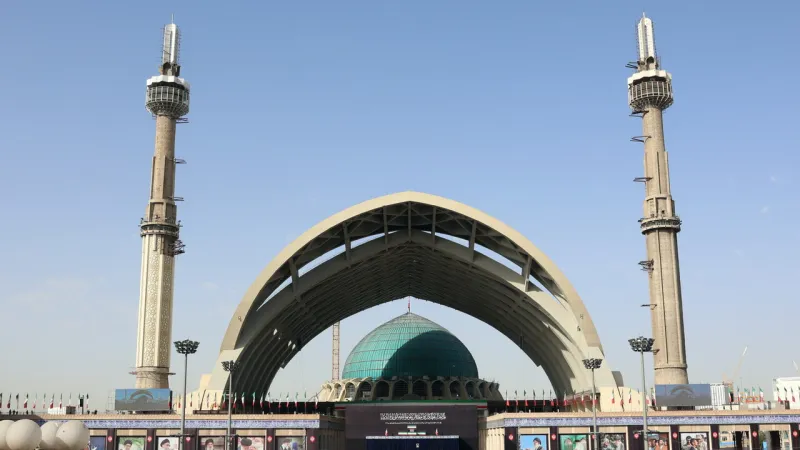
Thousands of mourners flooded the streets of Tehran, Iran, for the somber funeral procession of a revered ayatollah, an event punctuated by an outpouring of grief, profound anger, and fervent chants of "Death to America." This powerful public display of sentiment unfolds as Iranian state media reports crucial US-Iran negotiations are anticipated to commence on July 11 in Pakistan.
The capital city bore witness to an immense sea of people, their faces etched with sorrow and indignation, as they marched to honor the deceased religious figure. The sheer scale of participation underscored the deep reverence for the clerical establishment and the emotional resonance of the occasion across Iranian society.
Supreme Leader Ayatollah Ali Khamenei was prominently associated with the national mourning, his symbolic presence or endorsement lending further weight to the gathering. Such events often serve as pivotal moments for national unity and the reaffirmation of core ideological principles.
The ubiquitous "Death to America" slogans resonated through the crowds, a potent symbol of defiance and a long-standing fixture in Iranian political discourse. These chants, directed at the United States, represent decades of animosity and distrust rooted in historical grievances and ongoing geopolitical tensions.
These public demonstrations frequently coincide with significant national events, acting as a barometer of public mood and a platform for reinforcing the revolutionary ideals. The intensity of the anti-American rhetoric signals a persistent hardline stance despite the prospect of diplomatic engagement.
This robust expression of popular anger creates a complex backdrop for the upcoming diplomatic efforts. The contrast between widespread public condemnation of the United States and the reported scheduling of bilateral talks highlights the multi-faceted nature of Iran's foreign policy.
While specific agenda points for the July 11 negotiations remain largely undisclosed, analysts widely expect discussions to encompass critical issues such as Iran's nuclear program, the lifting of international sanctions, and regional security concerns that impact the broader Middle East.
Pakistan, often a bridge-builder in regional diplomacy, appears to have been chosen as a neutral venue for these high-stakes discussions. Its role as a host underscores the delicate and sensitive nature of any direct engagement between Washington and Tehran.
The administration of President Donald Trump has consistently adopted a firm stance toward Iran, characterized by strategic pressure and a stated commitment to preventing nuclear proliferation and curbing what it perceives as destabilizing regional activities. The readiness for dialogue, even amidst public acrimony, suggests a complex interplay of pressure and engagement.
Recent years have seen considerable spikes in tension between the two nations, ranging from maritime incidents in the Persian Gulf to cyber warfare and proxy conflicts. The prospect of direct negotiations offers a glimmer of hope for de-escalation, yet the path remains fraught with challenges.
Internally, the impending talks will likely ignite debates among Iran's political factions. Hardliners might view any engagement with skepticism, fearing concessions, while pragmatic elements may see an opportunity to alleviate economic pressures.
The outcome of these negotiations holds significant regional implications. A successful dialogue could potentially ease tensions across the Middle East, while a failure might exacerbate existing conflicts and rivalries.
Bridging the profound ideological and strategic divide between the United States and Iran represents an formidable diplomatic undertaking. Decades of mutual mistrust and conflicting interests underscore the difficulty of achieving substantive breakthroughs.
The international community observes these developments with keen interest, recognizing that stability in the Persian Gulf region is paramount for global energy markets and geopolitical equilibrium.
Expectations for the negotiations must be carefully managed. The chasm between the public rhetoric of defiance and the pragmatism required for diplomatic progress suggests that any resolution will necessitate considerable compromise from both sides.
Though the identity of the mourned ayatollah was not immediately specified, the passing of any prominent religious leader in Iran often precipitates a period of collective introspection and a reaffirmation of the nation's revolutionary principles.
Iranian media outlets are playing a crucial role in shaping public perception, simultaneously reporting on the fervent anti-American sentiments at the funeral and the cautious optimism surrounding the scheduled diplomatic overtures.
The unpredictable nature of relations between Washington and Tehran leaves significant uncertainty hanging over the impending talks. Each side approaches the table with a complex history and deeply entrenched positions.
The fragile path toward any form of normalization or de-escalation demands sustained commitment and a willingness to navigate intricate political landscapes. The world watches for signs of progress or further entrenchment.
Ultimately, the dual narratives of public protest and private diplomacy highlight the intricate dance of power, ideology, and national interest defining the relationship between Iran and the United States in 2026.