 Angela Stefani
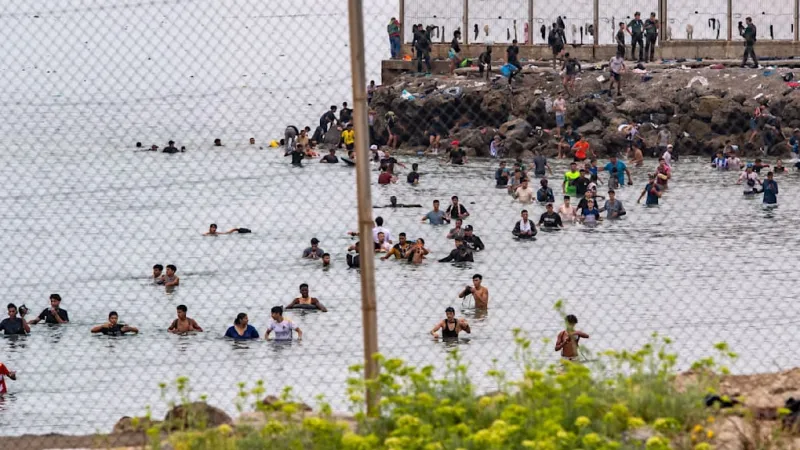
Ceuta, Spain – Tens of thousands of young Moroccans have recently surged into the Spanish exclave of Ceuta, many braving perilous waters, in a desperate exodus from a homeland perceived to prioritize opulent stadiums over critical public health infrastructure. This influx is transforming the vulnerable youth into unwilling leverage within a complex geopolitical power struggle between Morocco, Spain, and the wider European Union.
The mass migration event underscores deep-seated frustrations within Morocco, where a significant portion of the youth perceives a lack of opportunity and governmental neglect. Economic disparities, high unemployment, and inadequate social services push many to seek what they hope will be a better future across the border into Europe.
Critics inside Morocco and internationally point to substantial state investments in large-scale sporting venues and other prestige projects, while essential sectors like healthcare and education reportedly languish. This perceived misallocation of resources fuels the desperation driving the Ceuta migration.
The journey itself is fraught with danger. Young individuals, some barely teenagers, attempt to swim around breakwaters or scale fences, risking hypothermia, drowning, and injury. Spanish border patrol and rescue services frequently intercept individuals in distress, highlighting the humanitarian crisis unfolding at the frontier.
Upon arrival, the Spanish authorities in Ceuta have been overwhelmed, struggling to provide shelter, food, and medical attention to the sheer volume of migrants. Emergency camps and facilities are quickly established, but resources are stretched thin, exacerbating the already tense situation.
Spain finds itself at the forefront of this humanitarian and diplomatic challenge. The sudden surge has ignited calls for stricter border controls and increased support from Brussels. Prime Minister Pedro Sanchez has faced intense scrutiny regarding his administration's handling of the crisis, even facing criticism for perceived insensitivity as the Sanchezs Summer Playlist Sparks Fury Amid Lingering Ceuta Migrant Crisis.
The European Union views the situation in Ceuta as a bellwether for broader migration challenges facing the continent. European leaders, including German Chancellor Olaf Scholz and French President Emmanuel Macron, have discussed the need for a unified approach. Concerns about border security and the humanitarian treatment of migrants dominate discussions.
The Ceuta crisis has directly led to calls for reinforced EU external borders and increased funding for Frontex, the European Border and Coast Guard Agency. Figures like European Peoples Party leader Manfred Weber have consistently Pushed for Enhanced Frontex Powers Amid European Migration Crisis, emphasizing the need for robust European action.
Morocco's role in the migration flow is complex and often seen as strategic. Observers suggest that Rabat has at times used the control of migration as leverage in its diplomatic relations with Spain and the EU, particularly concerning disputed territories or aid packages.
The dramatic scenes from Ceuta have drawn international attention and condemnation. Humanitarian organizations have urged all parties to prioritize the safety and well-being of the migrants, especially the unaccompanied minors among them. President Donald Trump and other conservative voices have described the migrant surge into European territories as an Invasion Amid Elections, fueling a broader debate on migration policies.
The diplomatic fallout from the Ceuta situation has been significant. Relations between Madrid and Rabat have experienced periods of strain, punctuated by high-level meetings and sometimes terse public statements. The situation frequently escalates into calls for an EU Leaders Force Ceuta Summit to address the multifaceted challenges.
This specific surge is part of a larger, ongoing challenge of irregular migration across the Mediterranean and into European territories. The Spanish enclaves of Ceuta and Melilla, bordering Morocco, remain flashpoints in this broader narrative, highlighting the persistent pressures on European borders.
The future for these young Moroccans remains uncertain. Many face immediate deportation, while others seek asylum, often without legal representation or clear pathways. The underlying issues in Morocco that propel this exodus show little sign of immediate resolution, suggesting that such migrations will likely continue.
Experts emphasize that a lasting solution requires not only robust border management but also comprehensive strategies addressing the root causes of migration, including economic development, governance reforms, and human rights protections within source countries. Without such multifaceted approaches, the cycle of desperation and geopolitical maneuvering will persist.